
Last updated November 4, 2026
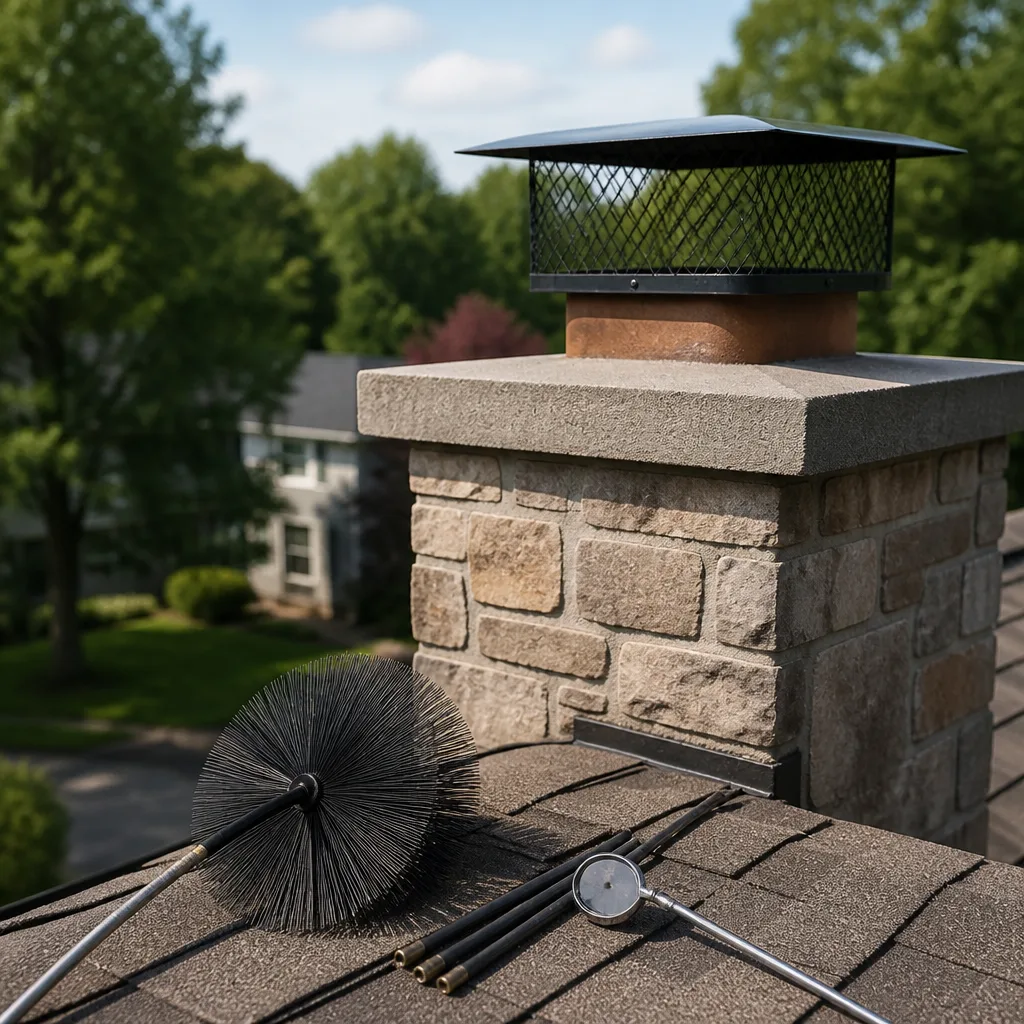 Sweep & inspection
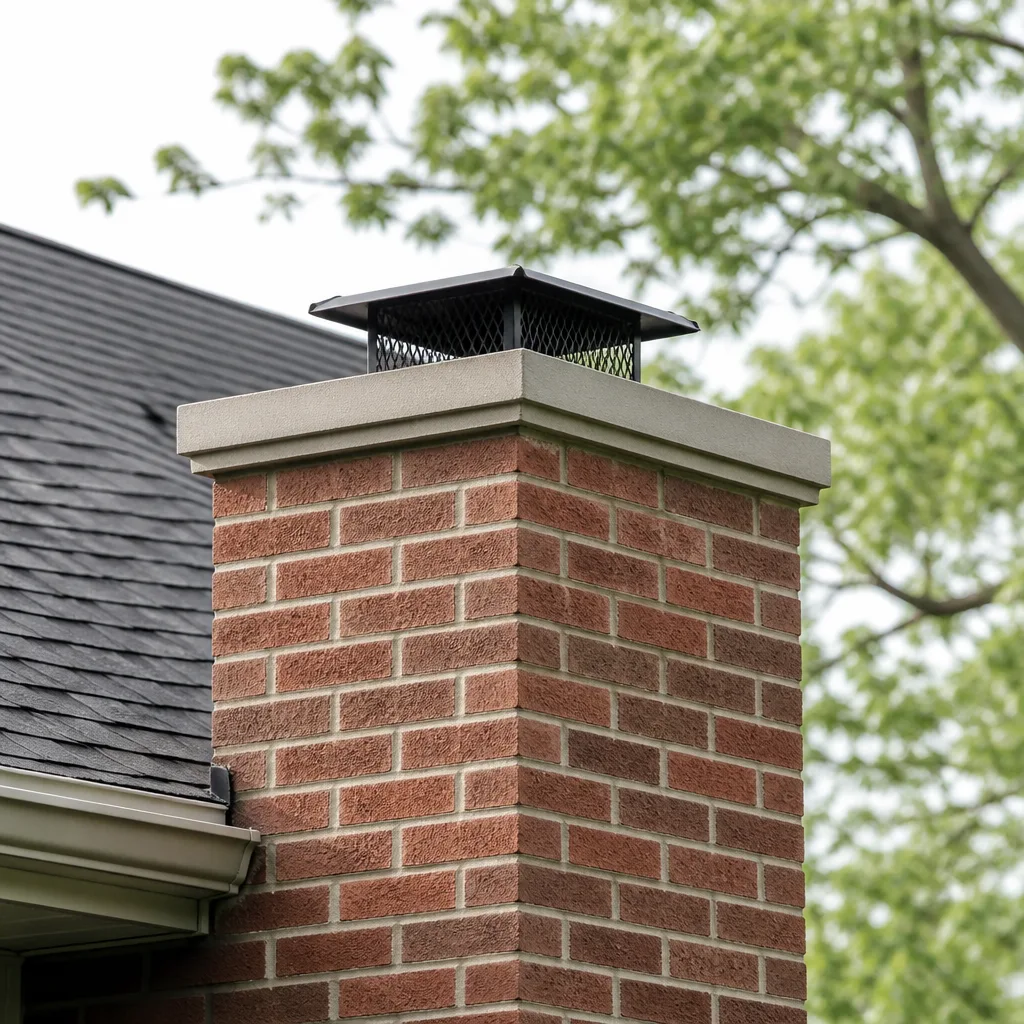 Caps & crowns
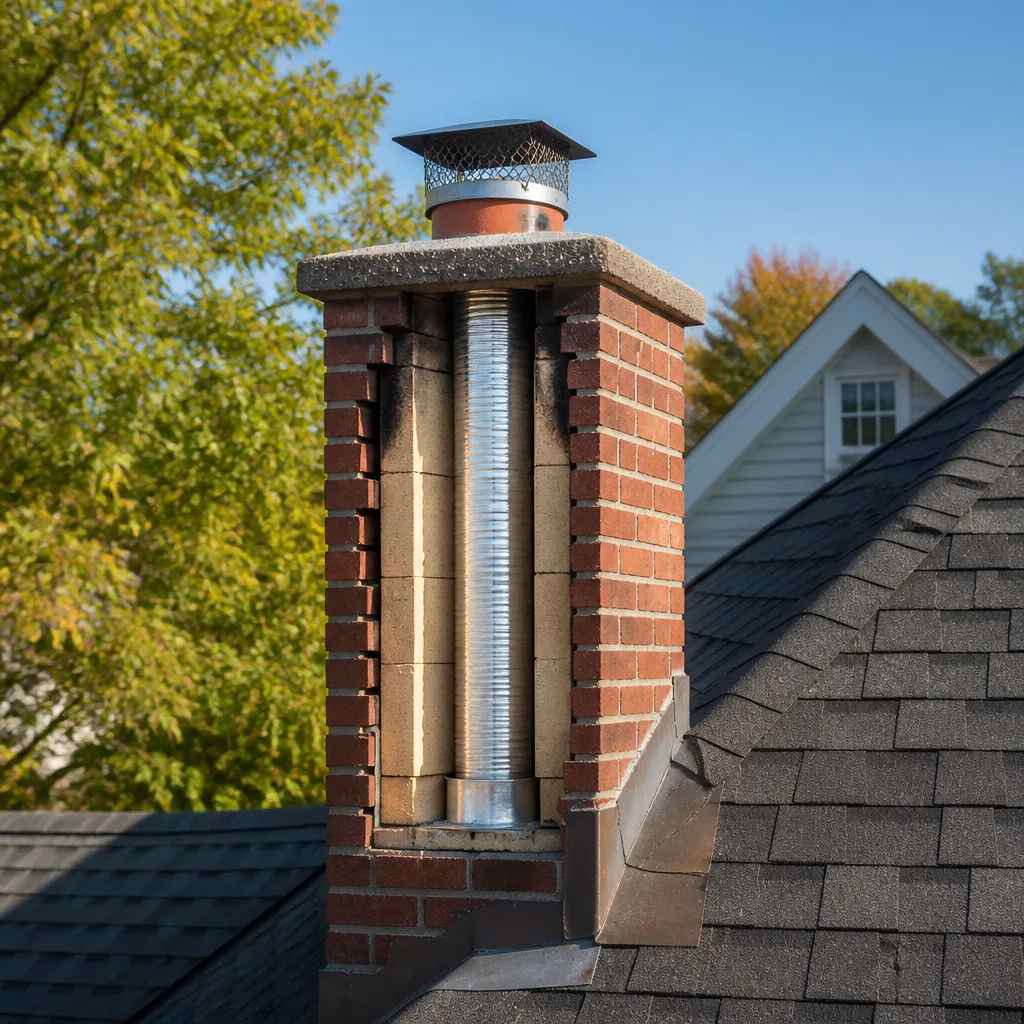 Flue relining
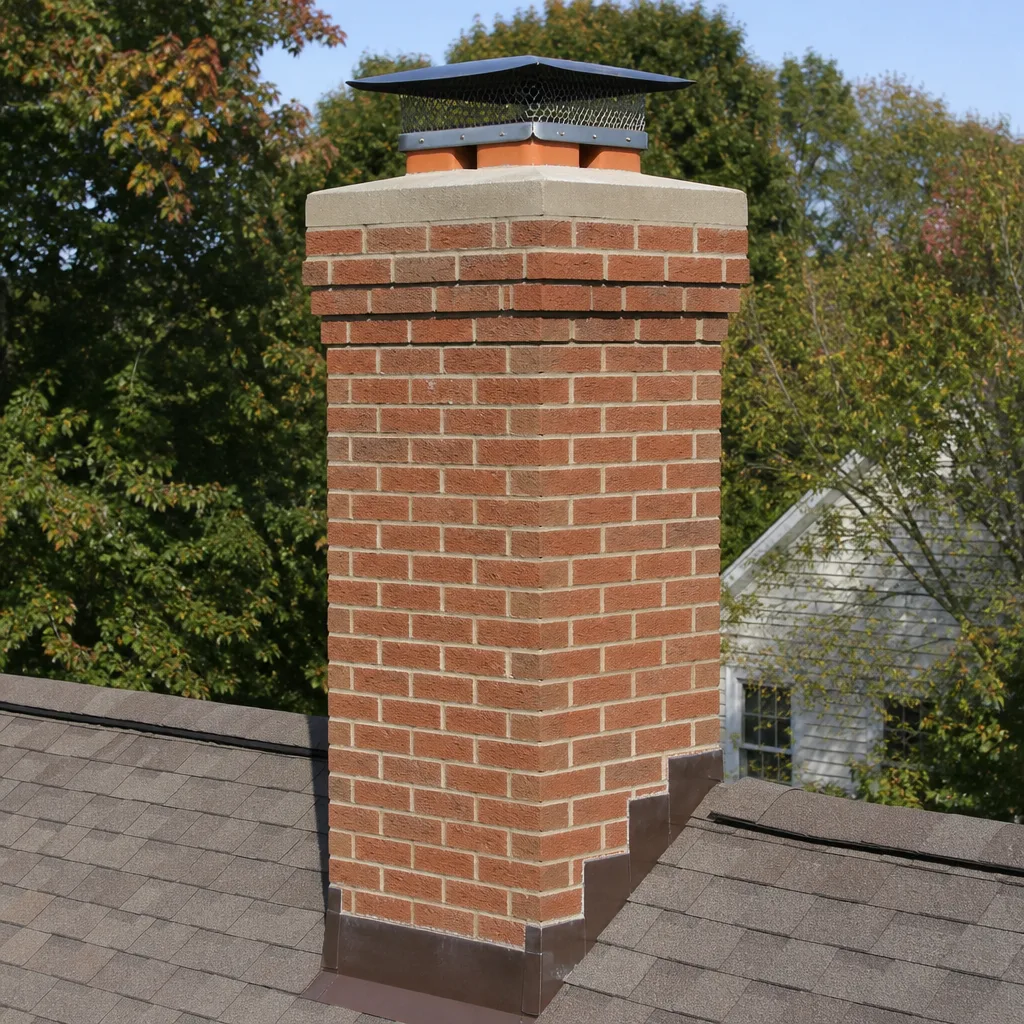 Masonry repair
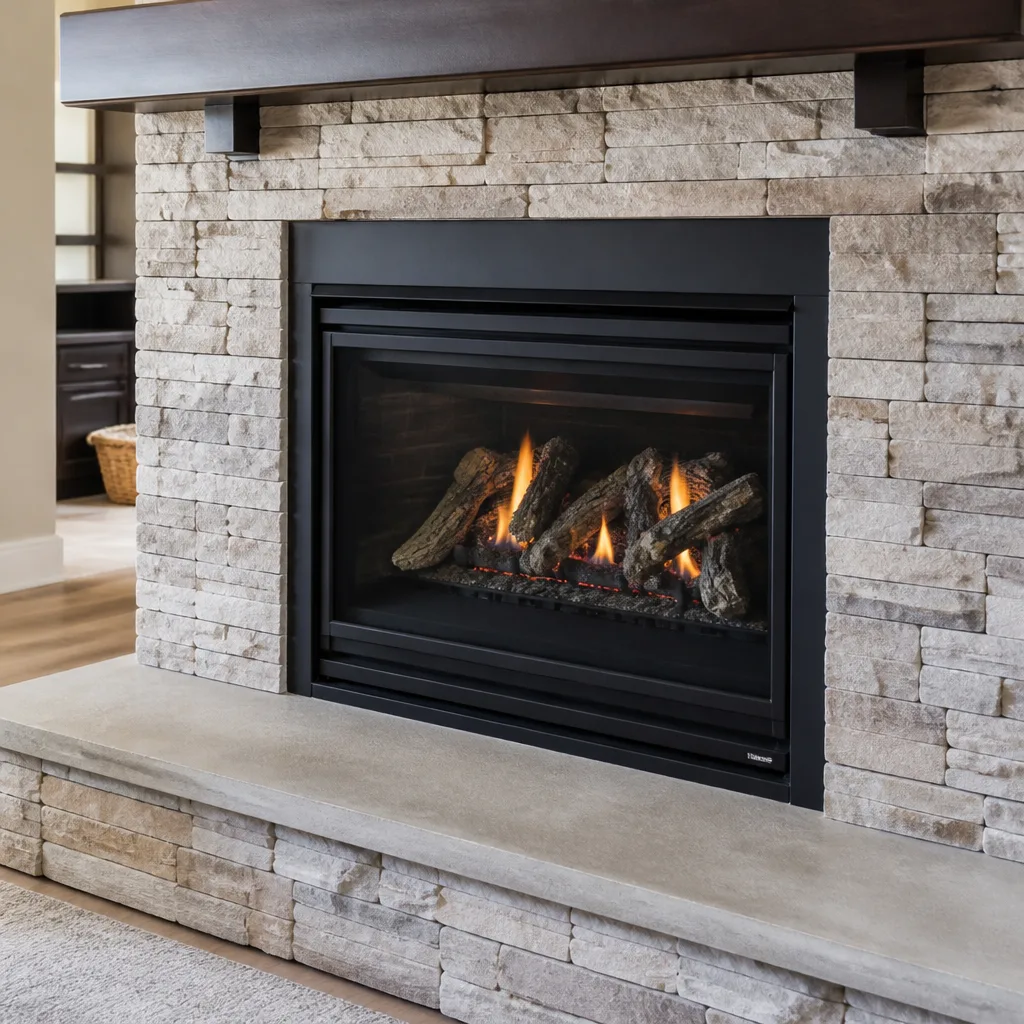 Gas fireplace service
Level 1 sweep and inspection to the NFPA 211 annual standard - flue, crown, cap, and flashing checked and photographed
Chimney sweep logs do not sweep chimneys. They loosen some creosote - which then falls where a brush and vacuum still have to collect it.
How to Hire a Chimney Cleaning Contractor in Bellflower: A Step-by-Step Guide
Any handyman with a rotary brush can call himself a chimney sweep in California. There is no state licensing requirement specific to chimney cleaning, which puts the burden of vetting entirely on you. That’s the uncomfortable truth most homeowners in Bellflower don’t realize until a cheap sweep leaves soot on the carpet and a crack in the flue tile goes unnoticed. This guide gives you a framework for separating the specialists from the generalists, based on what credentials mean, what questions reveal, and what job-site behavior tells you about whether a contractor actually understands combustion safety.
Styles & brands we work with
- Sweep & inspection
- Caps & crowns
- Flue relining
- Masonry repair
- Gas fireplace service
Quick Answer
To hire a chimney cleaning contractor in Bellflower, start by confirming CSIA certification and combustion-specific insurance coverage, then ask five targeted questions about inspection scope, pricing structure, and repair materials before booking. During the job, watch for negative-pressure vacuuming, drop-cloth use, and a written report delivered at completion. A flat price with no inspection step is the clearest warning sign of a generalist, not a specialist.
Table of Contents
- What CSIA Certification Actually Verifies, and What It Doesn’t
- Five Questions That Reveal a Specialist or a Generalist
- How to Verify Insurance for Combustion-Related Damage
- Reading a Quote: The Red Flags and What Full Cleaning Should Itemize
- What to Watch During the Job Itself
- When Repair Work Gets Recommended, and How to Evaluate It
- Bellflower-Specific Considerations: Climate, Housing Stock, and Local Patterns
- Common Mistakes to Avoid
- When to Call a Professional
- Frequently Asked Questions
- The Bottom Line
At Chimney Sweep Bellflower, we’ve spent nine years watching homeowners go through this process, and we’ve also watched what happens when they skip it. This guide reflects what we’ve learned from both sides.
What CSIA Certification Actually Verifies, and What It Doesn’t
The Chimney Safety Institute of America (CSIA) is the most recognized credentialing body in the chimney trade. A CSIA-certified sweep has passed a written exam covering chimney science, inspection procedures, code compliance, and safety practices. They’ve also agreed to a code of ethics and must pursue continuing education to maintain the credential. In an unregulated industry, that’s meaningful.
But here’s what CSIA certification does not tell you. It doesn’t verify how many chimneys the person has actually cleaned. It doesn’t verify their repair capability or their familiarity with specific liner systems. It doesn’t tell you whether they show up on time, communicate clearly, or respect your home. Certification is the floor, not the ceiling. Think of it as a baseline filter: if a contractor claims chimney expertise and doesn’t have CSIA certification, ask why. But don’t assume CSIA alone makes someone the right hire for a Bellflower home with a specific set of conditions.
In our experience, the most reliable indicator of competence is the combination of three things: certification, focused trade experience, and the materials a contractor specifies for repair work. A company that stocks and recommends professional-grade brands like Olympia Chimney and Copperfield is signaling something real about how they source materials and approach longevity. A generalist who buys whatever liner kit is cheapest at the big-box store is signaling something equally real.
Ask for the certification number and verify it on the CSIA website. It takes three minutes, and it’s the first filter most homeowners skip.
Five Questions That Reveal a Specialist or a Generalist
Before you book a chimney sweep in Bellflower, call and ask these five questions. You’ll know within ninety seconds whether you’re talking to a dedicated chimney professional or someone who added chimney sweeping to a list of unrelated services.
- “Do you perform repairs, or do you only clean?” A specialist will answer yes to both and be able to explain what repair systems they use, such as HeatShield resurfacing or DuraFlex relining. A generalist will hedge or say they only clean. That tells you they can’t diagnose issues they might find, which means issues get noted and then ignored.
- “What does your inspection include?” The answer should be specific: flue tile condition, mortar joints, crown integrity, cap and spark arrestor condition, damper function, and clearances. If the answer is vague, like “we check everything,” that’s a warning sign.
- “What brands of materials do you use for repairs?” A specialist names professional-supply brands without hesitation: Olympia Chimney, Copperfield, Famco, DuraFlex. These aren’t names you find on shelves at big-box stores. They’re trade-level products specified by contractors who care about repair longevity. A generalist won’t recognize the names.
- “What’s included in your base price?” A full cleaning should include the sweep itself, a Level 1 inspection, and a written report. If the price only covers the brush work and the inspection is an add-on, that’s a structural problem in the quote. Inspection isn’t optional. It’s the entire point.
- “Do you do dryer vent cleaning as well?” This question seems off-topic, but it reveals trade focus. A company that handles chimney systems and dryer vents as a single ventilation specialty is thinking about fire safety holistically. A company that only sweeps chimneys as one of many odd jobs is more likely to miss the combustion risks unique to each vent type.
How to Verify Insurance for Combustion-Related Damage
General liability insurance is not enough. Here’s why. If a contractor damages your chimney during cleaning and a flue fire later occurs because of a cracked tile they missed, you need coverage that specifically addresses combustion-related incidents. Standard liability policies often exclude or limit coverage for work involving heat-producing appliances, because the risk profile is different from, say, drywall repair.
Ask the contractor to name their insurer and policy type. Specifically request confirmation that the policy covers chimney and fireplace work, not just general contracting. A legitimate specialist will provide a certificate of insurance (COI) without hesitation. If someone dodges the request or says they “work carefully so they don’t need much insurance,” end the conversation.
In Bellflower, many homes are older post-war construction with masonry chimneys that have been through decades of use, earthquake settlement, and minimal maintenance. The likelihood that a sweep uncovers pre-existing damage is high. When that happens, the insurance conversation matters, because the distinction between what was already wrong and what the contractor caused is where disputes happen. A contractor with proper combustion-specific coverage is also more likely to document conditions carefully, because their insurer requires it. That documentation is your protection too.
Reading a Quote: The Red Flags and What Full Cleaning Should Itemize
When you get a quote for chimney cleaning in Bellflower, read the line items. A quote for a “full cleaning” should itemize the following:
- The sweep itself, including the flue and smoke chamber
- A Level 1 inspection per NFPA 211 standards, covering accessible portions of the interior and exterior
- Creosote removal from the firebox, damper, and smoke shelf
- A written report with photos where applicable
- Any cap or spark arrestor cleaning included in the base price
A flat price with no inspection step is the single most reliable red flag in this industry. Here’s why. Without an inspection, the cleaning is cosmetic. The brush removes visible creosote, but nobody evaluates whether the flue tile behind that creosote is cracked, spalled, or offset. A crack hidden behind buildup is a genuine fire and carbon monoxide hazard, and a cleaning that doesn’t look for it gives false assurance.
Another red flag: a quote that arrives as a single number with no breakdown of what’s included. Chimney systems are not uniform. A fair price depends on the flue height, the amount of creosote present, the type of appliance (wood-burning vs. gas), and the access conditions at the home. A company that quotes $99 flat for every chimney, regardless of those variables, is either planning to upsell aggressively or is not planning to do a proper job. Either way, you’re not getting the service you think you’re paying for.
In Bellflower specifically, the housing stock varies from older homes with traditional masonry fireplaces to newer builds with prefabricated metal chimneys. A good quote acknowledges what type of system you have. A bad quote treats all chimneys the same.
What to Watch During the Job Itself
Once a contractor is actually in your home in Bellflower, the job-site behavior tells you whether your vetting was correct. Here’s what to watch.
- Drop cloths before anything else. A professional sweep covers the hearth area and the floor around the fireplace with cloths before bringing any tools inside. If someone starts setting up equipment on bare floor, say something. Soot is fine in the flue and destructive on carpet.
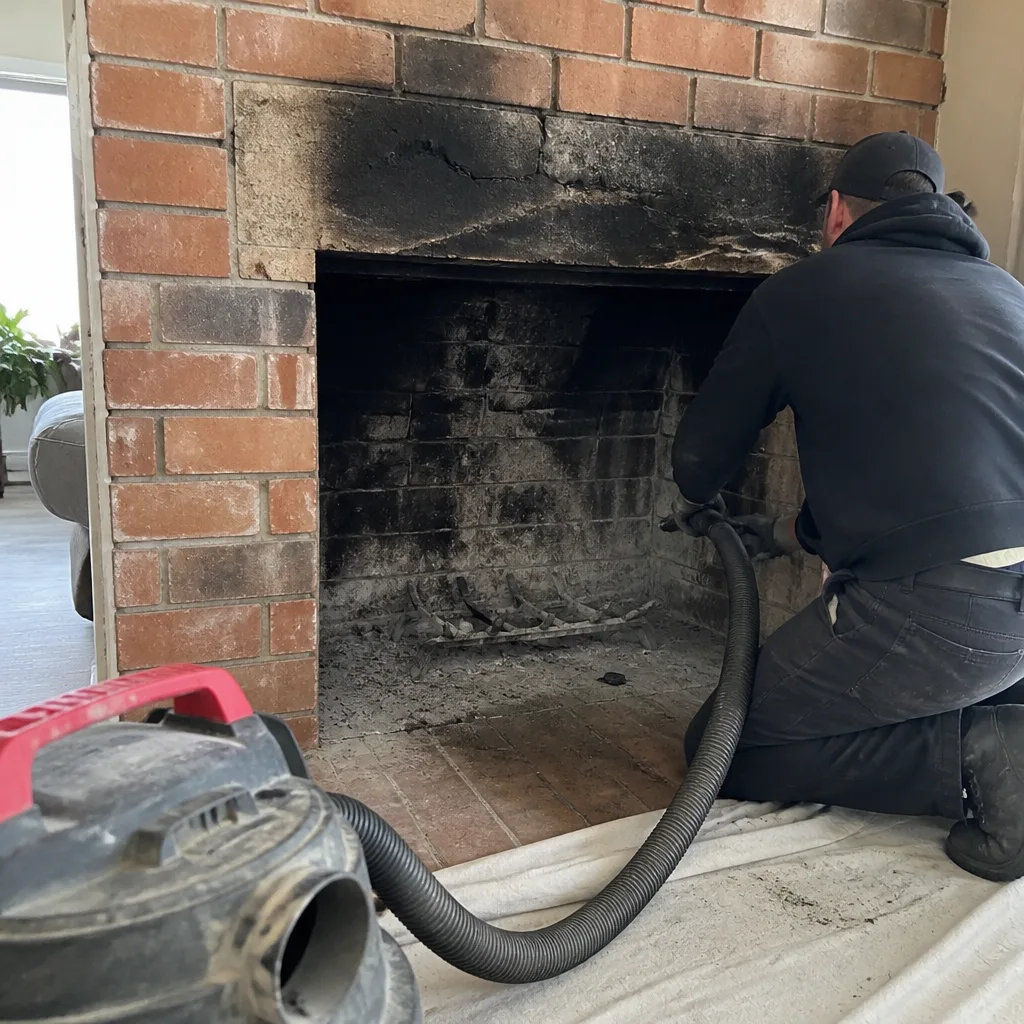
- Negative-pressure vacuuming. The vacuum should run during and after the sweep, and it should be a high-powered unit designed for fine particulate, not a shop vac with a HEPA filter taped on. Negative pressure keeps dust from migrating into your living room while the brush is working. If the contractor isn’t running a vacuum during the sweep, dust is going everywhere, including into your lungs.
- Systematic inspection, not a glance. After the sweep, the contractor should inspect the flue, smoke chamber, damper, crown, and cap with a flashlight or camera, and should be able to describe what they’re seeing. If possible, a camera inspection is the gold standard. It shows you what they see, and it’s the only way to evaluate the condition of flue tiles beyond the reach of a flashlight.
- A written report at the end. You should receive documentation of what was done, what was found, and what recommendations follow. If the contractor walks out with a verbal “looks good” and nothing in writing, you have no record, no documentation for future insurance claims, and no baseline for the next cleaning.
One more thing to observe: does the contractor explain what they’re doing, or do they rush through it? A specialist who takes ten minutes to walk you through the condition of your flue, point out what’s normal wear and what’s not, and answer your questions is building trust through transparency. A contractor who can’t wait to get out the door is probably going to miss something.
When Repair Work Gets Recommended, and How to Evaluate It
A good sweep finds things. A bad sweep finds nothing and rushes out. The challenge for a homeowner is evaluating repair recommendations without feeling pressured into unnecessary work. Here’s a simple framework.
First, ask to see the problem. If the contractor recommends relining because of cracked tiles or deteriorated mortar joints, request a camera inspection. A professional who actually saw the damage will be able to show it to you. If they can’t show it, or the evidence is a grainy photo that could be any flue, get a second opinion before authorizing work. We never recommend repair work without camera evidence you can see for yourself, because that’s the only way to make an informed decision about your own home.
Second, ask what repair system is being proposed and why. A relining recommendation should specify the material. DuraFlex is a stainless steel liner system used for full flue relining when the original clay tile has failed. HeatShield is a ceramic resurfacing system used to repair cracked or spalled flue tiles without full relining. The recommendation should match the extent of the damage. A contractor who jumps straight to full relining when a resurfacing application would suffice is upsell-prone. A contractor who recommends resurfacing when the flue is structurally compromised is cutting corners. The right answer depends on the specific condition.
Third, ask what happens if you don’t do the repair. Sometimes repair work can safely wait a season, and a good contractor will tell you plainly when that’s true. Sometimes it can’t, and a good contractor will tell you that plainly too. If the answer is always “do it now, it’s an emergency,” that’s a sales pattern, not an inspection finding.
For dryer vent cleaning work, the same transparency standard applies. Lint buildup is measurable and visible. A contractor should be able to show you what came out of the vent and explain what the accumulation means for your specific dryer and duct configuration.
Bellflower-Specific Considerations: Climate, Housing Stock, and Local Patterns
Bellflower’s climate shapes how chimneys here are used and how they age. Winters are mild, which means most households use their fireplaces seasonally for ambience rather than as a primary heat source. That has a specific implication: chimneys in Bellflower often sit unused for months at a time, and unused chimneys still accumulate problems. Birds nest in uncapped flues, dust and debris settle, and small cracks that would worsen with thermal cycling go undetected because nobody is looking. A chimney that hasn’t been used since March needs inspection before the first fire of the season, even if it was clean when it was last used.
The housing stock matters too. Bellflower has a large number of homes built in the 1950s and 1960s, many with original masonry chimneys. Those chimneys are now sixty to seventy years old. Masonry from that era was built well, but six decades of seismic activity, settling, and occasional water intrusion takes a toll. Cracked flue tiles and deteriorated mortar joints are common findings in homes of this vintage, and they’re exactly the kind of issue that a cleaning-only contractor will miss.
Newer Bellflower homes and some townhome developments use prefabricated factory-built chimneys instead of masonry. These systems have different inspection requirements, different clearance specifications, and different failure modes. A contractor who treats a metal chimney like a masonry one is going to make errors. This is another reason the five-question vetting framework matters: you want someone who can identify what type of system you have and inspect it appropriately.
The market for chimney services in Bellflower is competitive, and there are quality contractors operating in the area. There are also plenty of handymen offering cheap sweeps as a side service. The price difference between a specialist and a generalist is often not as large as homeowners assume, but the difference in what gets found and what gets missed is significant.
Common Mistakes to Avoid
- Hiring based on price alone. A cheap sweep that doesn’t include an inspection isn’t cheap. It’s a false sense of security. The most expensive chimney cleaning is the one that misses a fire hazard because nobody actually looked.
- Assuming any handyman can do it. Chimney systems involve combustion, structural masonry, and clearances to combustible materials. A generalist who cleans gutters, hangs drywall, and also sweeps chimneys lacks the focused experience to diagnose subtle problems.
- Skipping the insurance check. If a contractor damages your chimney or misses a critical hazard, you want their insurance to handle the consequences. General liability coverage without combustion-specific language may not apply to chimney work, leaving you uncovered.
- Not asking about repair capability before cleaning. Most sweeps find something. If your contractor only cleans, the finding becomes a recommendation to someone else, and you start the whole process over. Hiring a company that handles both cleaning and repair, like one that works with DuraFlex and HeatShield systems, streamlines the entire process.
- Treating a gas fireplace as maintenance-free. Gas fireplaces produce combustion byproducts and need inspection too, especially for venting, carbon monoxide risk, and burner condition. A gas log set that hasn’t been checked in years can perform poorly and produce carbon monoxide.
- Ignoring the dryer vent. The dryer vent is part of your home’s ventilation system and a leading cause of residential fires. A specialist that offers dryer vent cleaning in Bellflower alongside chimney work is addressing the fire safety picture comprehensively, not just the parts homeowners already know about.
- Waiting until something looks wrong. Chimney problems are often invisible until they’re serious. By the time you see smoke backing into the room or smell something odd, the problem may have progressed well beyond simple repair. Regular inspection is cheaper than emergency intervention.
When to Call a Professional
If you’ve never had your chimney inspected since moving into your Bellflower home, call now. If you don’t know whether your chimney is masonry or factory-built, call now. If you use your fireplace regularly during the cooler months and haven’t had a cleaning in two years or more, call now. If you’ve noticed a smell coming from the fireplace even when it’s not in use, that’s a sign of creosote accumulation or moisture intrusion, and it warrants professional attention. If your dryer takes forty-five minutes to dry a load when it used to take thirty, your dryer vent is telling you something.
Chimney Sweep Bellflower offers free estimates in Bellflower, and we’ve been serving the area since 2017. Call (866) 632-0270. We answer 24/7. Fast dispatch from 7am to 7pm, Sunday through Friday.
Frequently Asked Questions
Chimney cleaning in Bellflower typically runs between $180 and $350 depending on the flue height, creosote level, and chimney type, with the written estimate setting the final price. A flat-rate quote without an inspection step is a warning sign, because it means the contractor is either planning to upsell or planning to skip the diagnostic work. Call (866) 632-0270 for an exact quote. Estimates are free.
The National Fire Protection Association recommends annual inspection and cleaning as needed, and that guideline applies in Bellflower regardless of how often you use your fireplace. Even an occasionally-used fireplace accumulates creosote, debris, and nesting material, and an unused chimney can develop problems that go unnoticed for months. If you burn wood regularly, expect to need cleaning every one to two years.
Ask to see the camera evidence before approving any relining work, because a legitimate recommendation comes with visual proof you can evaluate yourself. Cracked, spalled, or offset flue tiles are a genuine safety hazard, and the repair may involve HeatShield resurfacing or a DuraFlex stainless liner depending on the extent of the damage. A contractor who can’t show you the problem should not get the work.
Creosote builds up in the flue until it becomes a fuel source waiting for a spark, which is how chimney fires start in Bellflower homes every year, and carbon monoxide can backdraft into the home if the flue is obstructed or damaged. A chimney fire often damages the flue lining even if it doesn’t spread to the house structure, creating an expensive repair. The cost of a cleaning is a fraction of the cost of repair, and the safety risk is not a gamble worth taking.
California does not require a state-issued license specifically for chimney sweeping, which means the burden of evaluating a contractor’s qualifications falls entirely on the homeowner. CSIA certification is the most recognized industry credential, but it doesn’t verify every quality you should check. Confirm certification, insurance coverage, and material sourcing before booking.
Yes, and a contractor that treats chimney and dryer vent systems as part of the same ventilation specialty is addressing fire safety comprehensively. Lint accumulation in dryer ducts is a leading cause of household fires, and most chimney-only companies will tell you to call someone else. Hiring one specialist who handles both systems means one vetting process, one service call, and one relationship for your home’s ventilation needs.
The Bottom Line
A good chimney cleaning in Bellflower is not a transaction. It’s an inspection that produces a cleaning, and a cleaning that produces a report, and a report that tells you whether your home’s combustion systems are safe. That’s the difference between a specialist and a generalist, and it’s the difference between spending a little on prevention and a lot on repair. Vet the certification. Ask the five questions. Verify the insurance. Watch the job. Read the report. If you do those things, you’ll hire the right contractor, and you’ll know why.
Written by the team at Chimney Sweep Bellflower, serving Bellflower since 2017.
See the difference
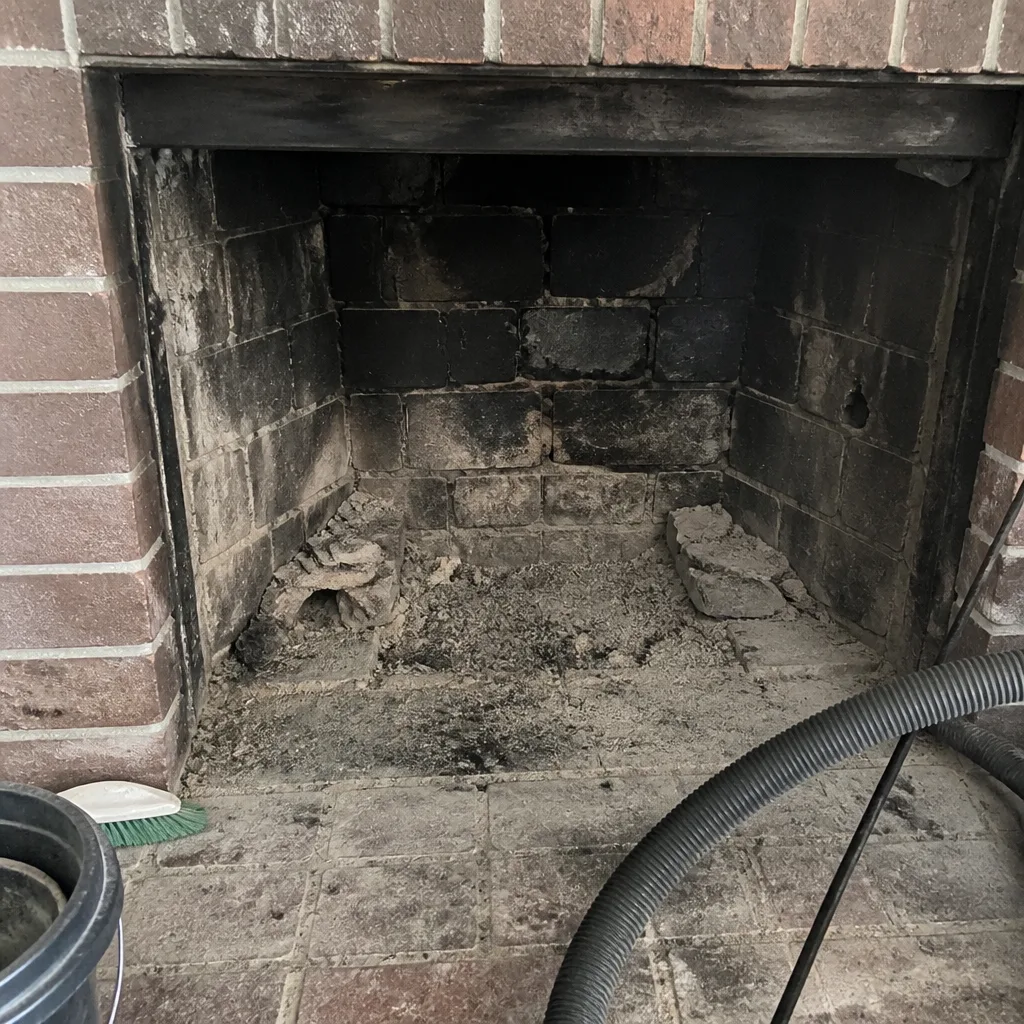 Before
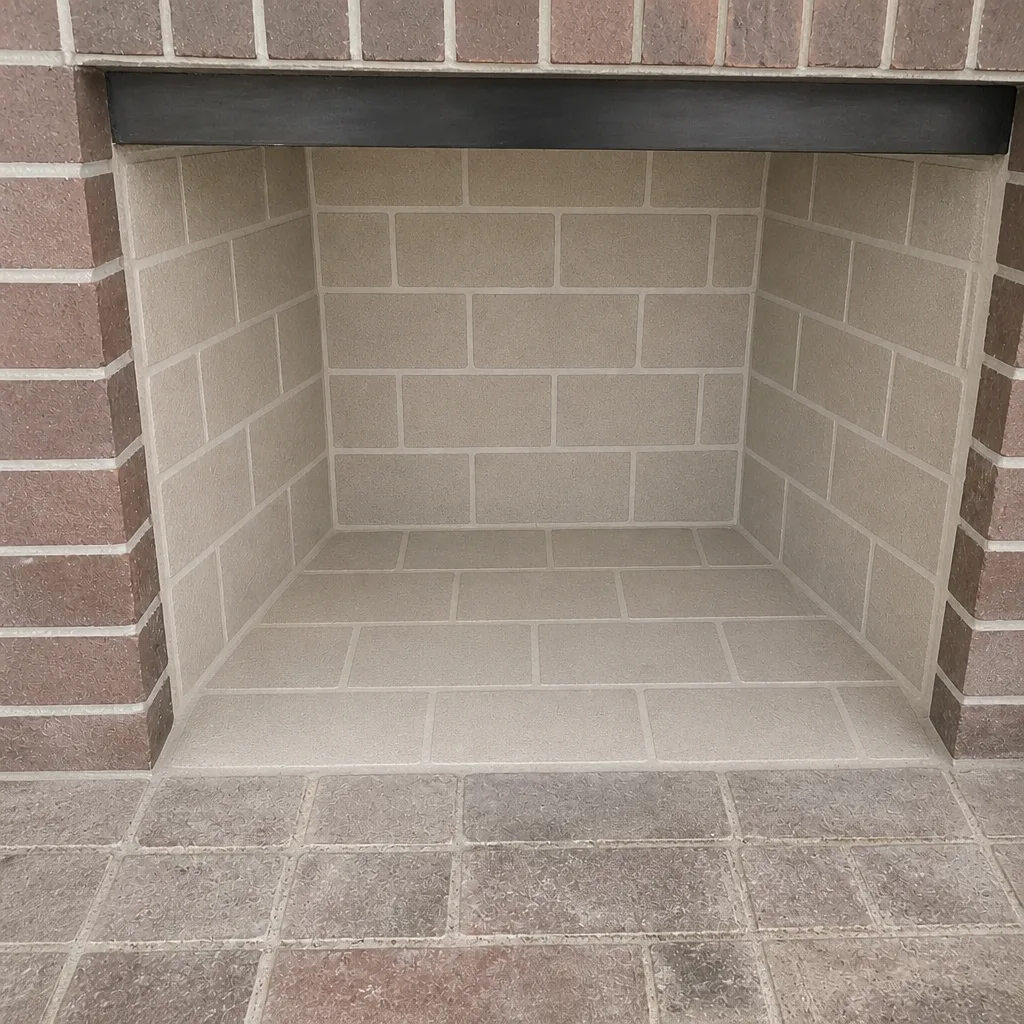 After
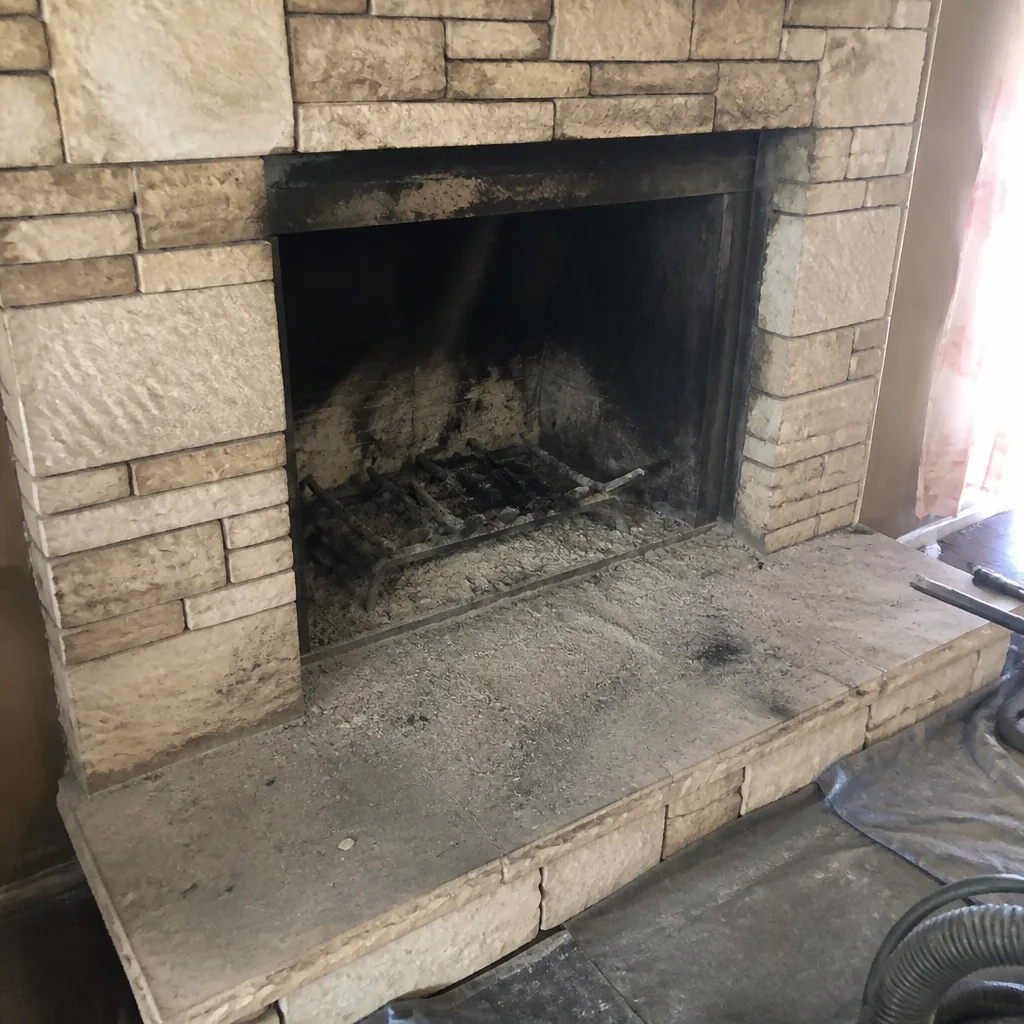 Before
 After
 Before
 After