
Last updated November 4, 2026
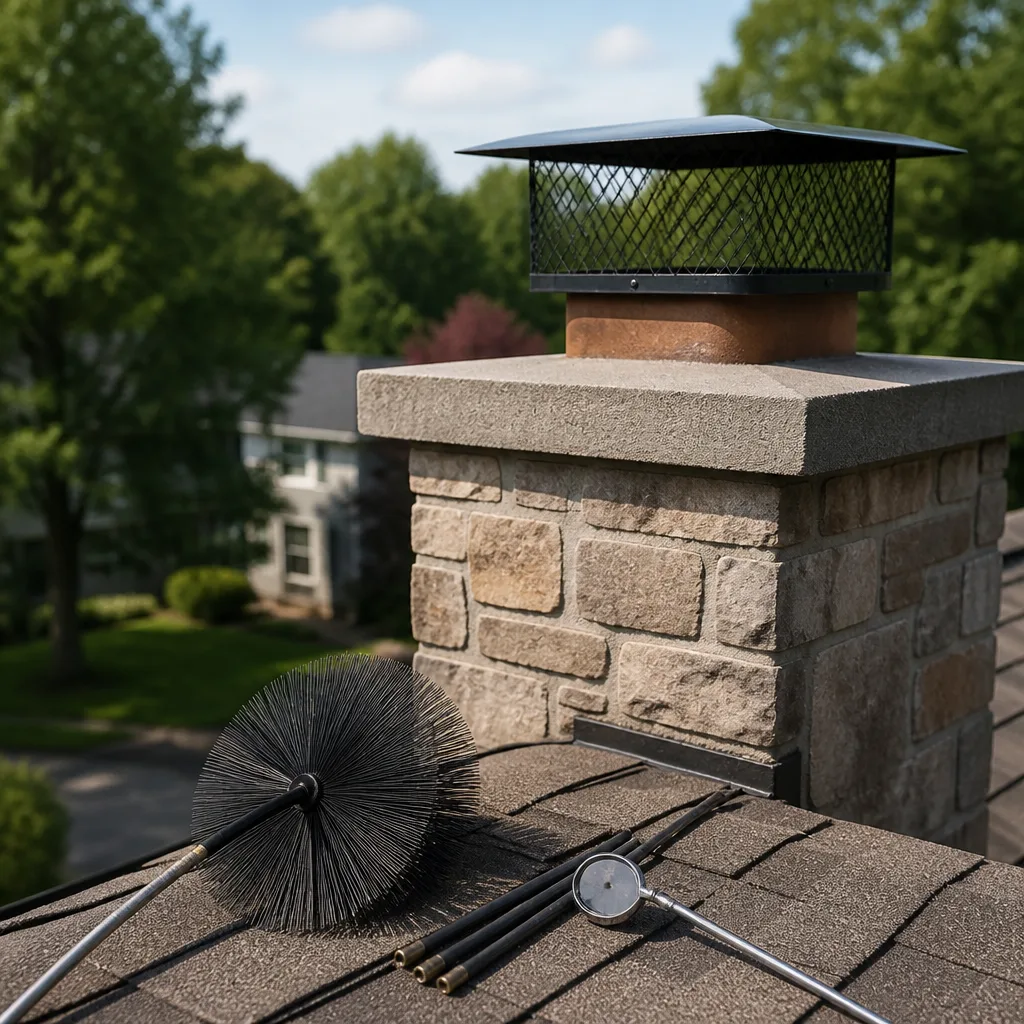 Sweep & inspection
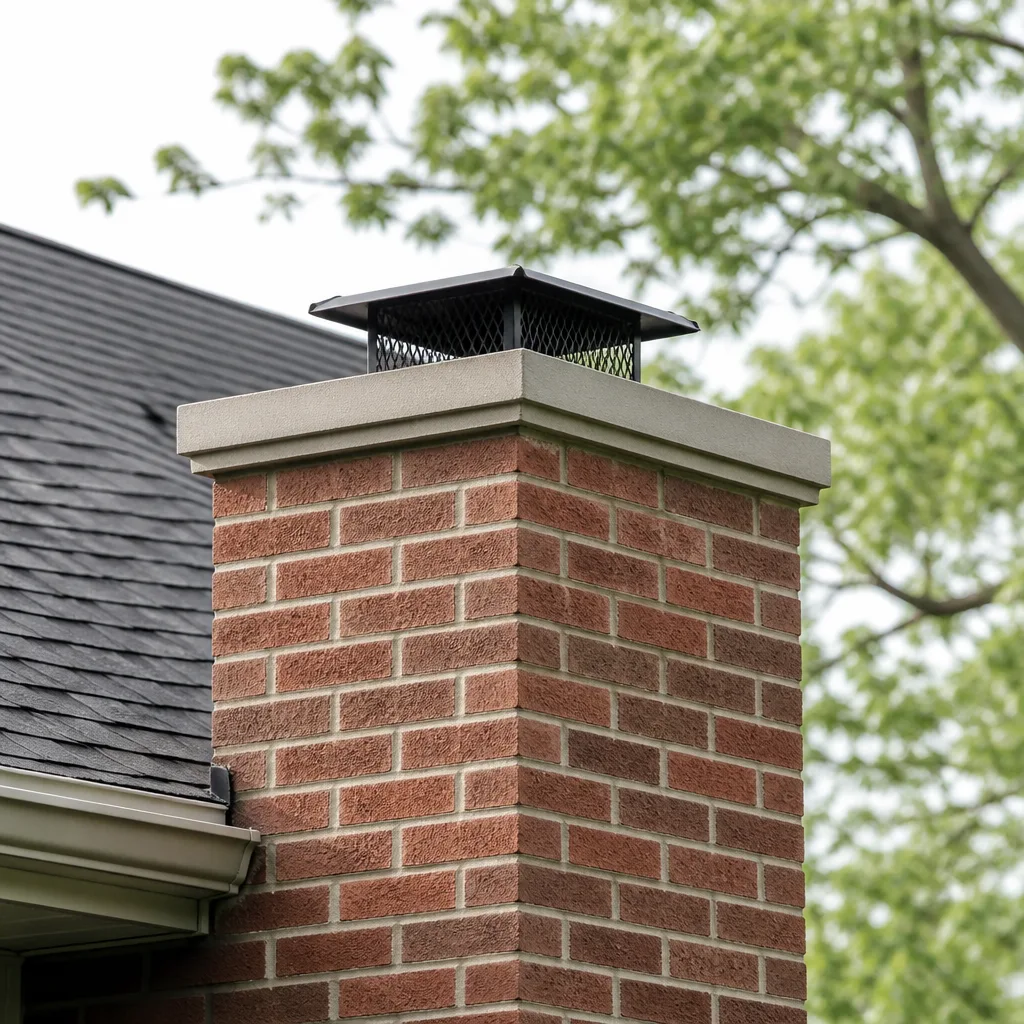 Caps & crowns
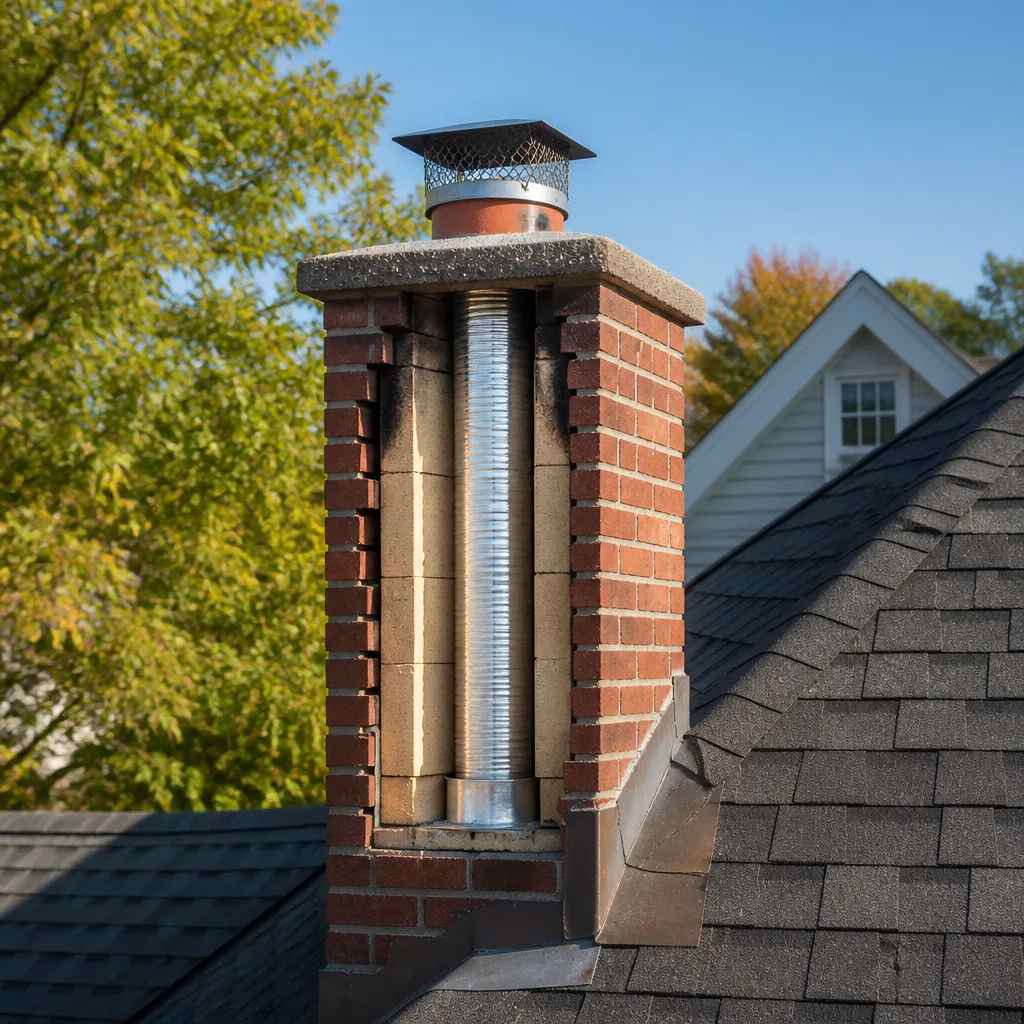 Flue relining
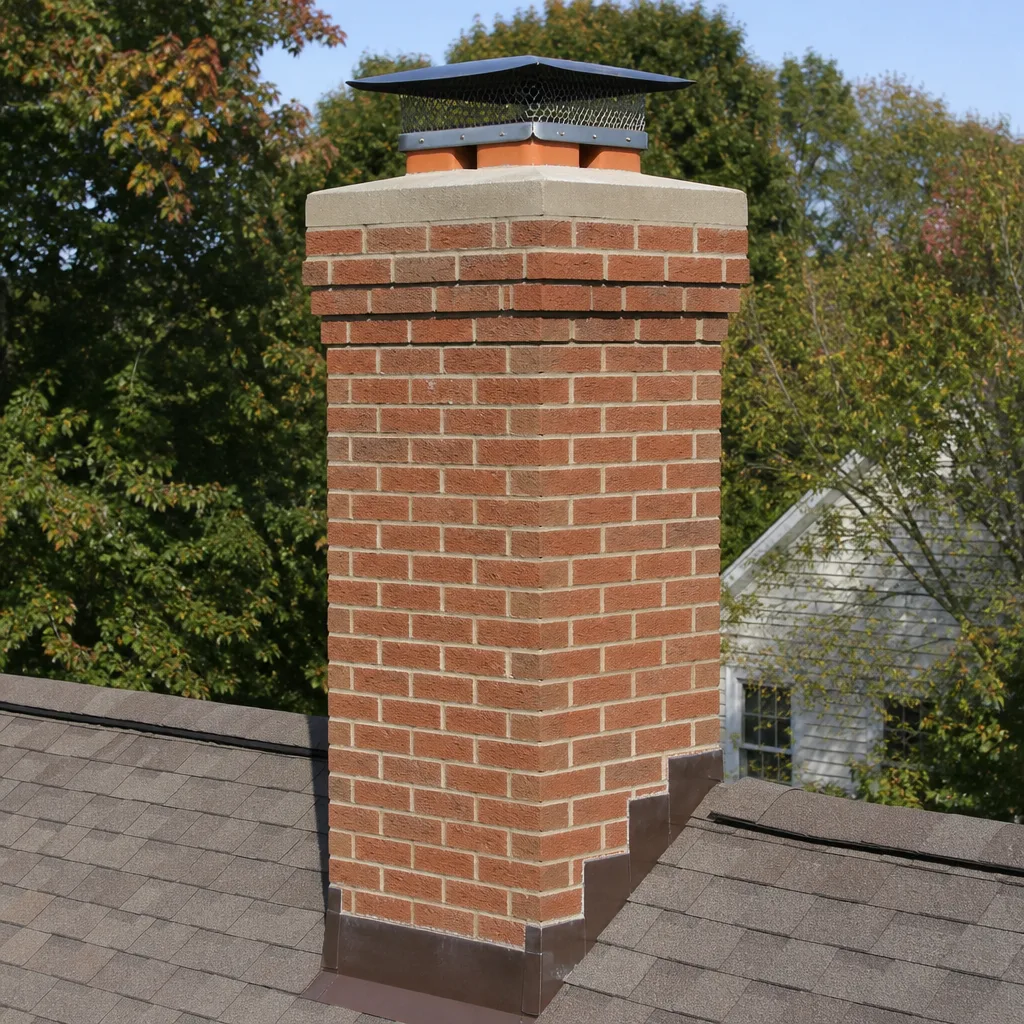 Masonry repair
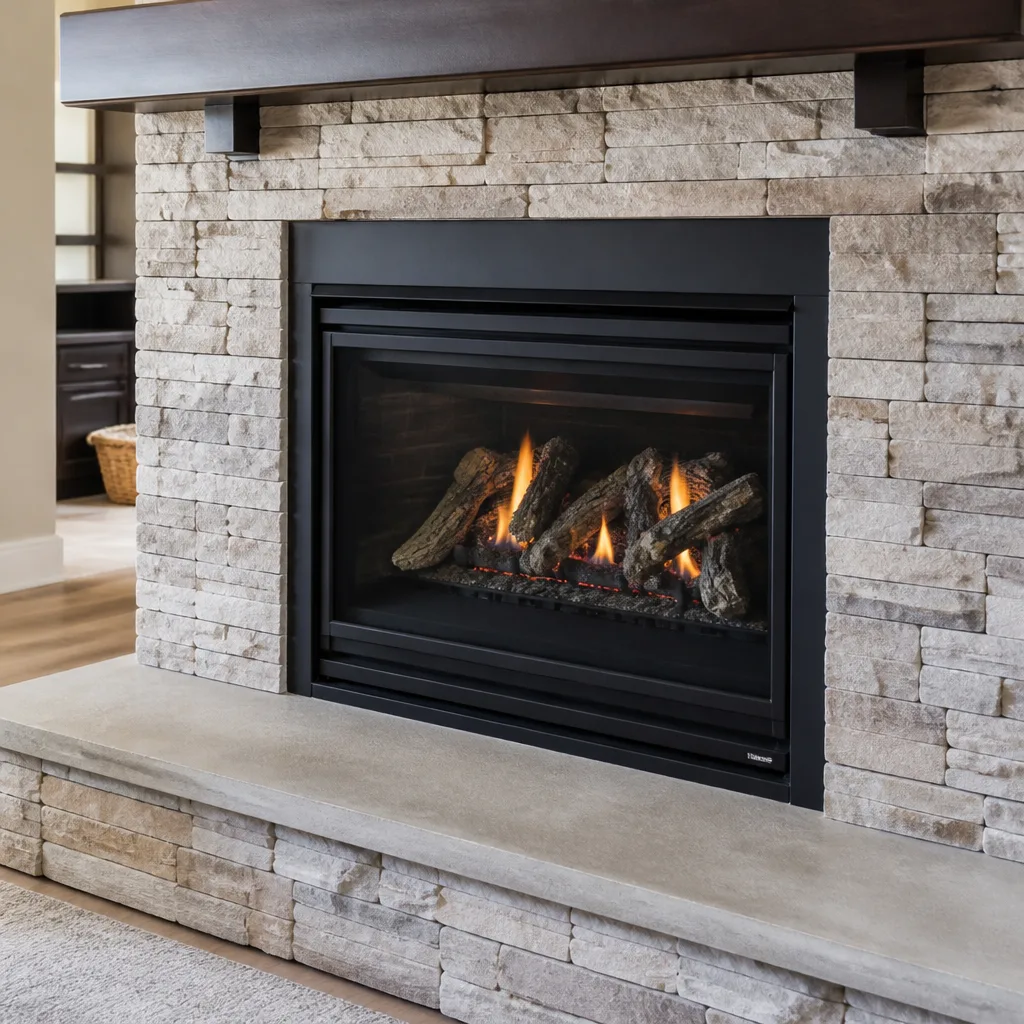 Gas fireplace service
Level 1 sweep and inspection to the NFPA 211 annual standard - flue, crown, cap, and flashing checked and photographed
Chimney sweep logs do not sweep chimneys. They loosen some creosote - which then falls where a brush and vacuum still have to collect it.
Chimney Cleaning Cost Breakdown: The Bellflower Homeowner’s Reference for 2026
Most homeowners in Bellflower first call a chimney company because they found a coupon for an $89 sweep. That price gets a technician to your door. It does not get your chimney cleaned the way it actually needs to be cleaned. The brush work is one line item. What the brush finds, how much creosote is actually in the flue, whether the liner is sound, and whether the chimney is safe to burn at all are separate questions with separate prices. This guide breaks down the full cost picture so you can compare quotes on scope, not on the coupon number. You’ll learn what a legitimate sweep includes in Bellflower, why two quotes for the same fireplace can be hundreds of dollars apart, and which add-ons matter for Southern California’s burn season.
Quick Answer
A basic chimney sweep and Level 1 inspection in Bellflower typically costs $189 to $350 for a standard masonry fireplace with a clay tile liner. Full-service cleaning with creosote removal, a Level 2 camera inspection, and a written report runs $350 to $650 depending on flue access, liner condition, and deposit stage. The $89 specials you see advertised cover a visual check and a quick brush pass, not the full service most Bellflower chimneys need before winter use.
Styles & brands we work with
- Sweep & inspection
- Caps & crowns
- Flue relining
- Masonry repair
- Gas fireplace service
Table of Contents
- What a Chimney Sweep Actually Costs in Bellflower
- Line-Item Cost Breakdown: What You’re Paying For
- Creosote Stages: Why Stage 2 Changes the Price
- What Drives Labor Cost: Flue Height, Liner Type, and Access
- Chemical Creosote Treatments: Cost and Why They’re Not Optional
- Repair Costs That Commonly Follow a Cleaning
- How to Compare Two Quotes for the Same Job
- Common Mistakes to Avoid
What a Chimney Sweep Actually Costs in Bellflower
The honest price range for a professional chimney sweep in Bellflower is $189 to $650. That’s a wide spread, but it reflects real differences in what the job involves. A single-story home with a straight flue, a clay tile liner in decent shape, and light Stage 1 creosote is on the bottom end. A two-story home with an angled flue, heavy Stage 2 deposits, and a stainless steel insert that needs special brushes is on the top end. The $89 coupon is a lead generator, plain and simple. It buys a technician’s time to arrive and look at your chimney. The actual work gets quoted separately, and by then you’ve already invested the afternoon waiting for the appointment.
Bellflower homes run older than the Southern California average. A lot of the residential stock here was built between the 1940s and 1970s, which means original clay liners are common, smoke chambers were often built with corbeled brick instead of smooth parging, and damper assemblies are original equipment. None of that is catastrophic, but it does mean a responsible sweep in this city tends to find more than the coupon price anticipated. When you see a Bellflower quote for $400, you’re usually not being upsold. You’re being told the truth about a fifty-year-old fireplace that has burned decades of wood.
We’ve worked on chimneys across Bellflower long enough to know the difference between a quick brush and an actual cleaning. The quick brush is what you get at the $89 price point: five minutes of rod work, no real inspection, no creosote treatment, no report. A real cleaning is what we described above. The second one is what keeps your family safe. The first one is what keeps a coupon company’s phone ringing.
Line-Item Cost Breakdown: What You’re Paying For
Here’s what a complete chimney cleaning invoice looks like when it’s itemized properly. Every legitimate Bellflower sweep should give you a written estimate that separates these items, so you know exactly what you’re paying for. If a contractor won’t break it down, that’s a red flag. If they can’t explain what “cleaning” includes, that’s a bigger one.
| Service Item | Typical Bellflower Range | What It Includes |
|---|---|---|
| Basic sweep (brush work) | $89 – $189 | Mechanical brushing of the flue interior, removal of loose creosote and soot, basic debris cleanup |
| Level 1 inspection | $75 – $150 | Visual check of accessible portions of the chimney, flue, and appliance; confirms basic soundness |
| Level 2 inspection (camera) | $200 – $400 | Video scan of the full flue interior, documentation of cracks, gaps, or hidden damage |
| Creosote removal (Stage 1) | Included in basic sweep | Light powdery deposits removed with standard brushes |
| Creosote removal (Stage 2) | $150 – $350 add-on | Glazed, tar-like deposits require rotary loop tools or chemical treatment before brushing |
| Creosote removal (Stage 3) | $400 – $900+ | Hardened, shiny glaze may require chemical breakdown over days plus mechanical removal; sometimes requires liner replacement evaluation |
| Written report | $25 – $75 | Documentation of findings, photos, and recommended next steps |
These are typical ranges for the Bellflower market, not fixed prices. Your estimate should state the final number in writing before work begins. The written report matters more than most people think. If you sell your home, if you file an insurance claim, or if you have a chimney fire and need to show what condition the flue was in, that report is your paper trail. A sweep that doesn’t produce one hasn’t really done the job.
Creosote Stages: Why Stage 2 Changes the Price
Creosote is the residue left behind when wood smoke condenses inside the flue. It accumulates in three recognized stages, and the stage you’re in at the time of cleaning is the single biggest variable in your final bill. Here’s what each stage means for your wallet and your fireplace.
- Stage 1: Flaky powder. This is fresh, dry creosote with high soot content. It brushes off easily with standard wire or poly brushes. Most of the time, this is included in the base sweep price. If you burn dry hardwoods and have your chimney cleaned annually, you likely stay in Stage 1.
- Stage 2: Glazed tar. This is where prices go up. Stage 2 creosote is sticky, dark, and shiny. It’s the result of lower-temperature fires or unseasoned wood. Standard brushes won’t remove it. Technicians need rotary loop tools, chemical penetrating agents, and more time, often twice as much time, as a Stage 1 sweep. In Bellflower, where winter fires are often more for ambiance than heat, many homeowners inadvertently run low, smoldering fires that push creosote into Stage 2 quickly.
- Stage 3: Hardened glaze. This is the most dangerous state. Stage 3 creosote is a dense, hardened layer that can resemble tar poured and cooled inside the flue. It’s highly concentrated fuel. Removing it is labor-intensive and often requires chemical treatments applied over several days before mechanical removal is possible. In some cases, the flue is so compromised that relining is the safer and more economical long-term answer.
We tell Bellflower homeowners to think of creosote stages like sun damage. Stage 1 is a tan, you handle it easily. Stage 2 is a deep burn, it needs treatment. Stage 3 is a medical condition, and ignoring it has real consequences. The price difference is not arbitrary. It tracks directly with the labor and materials required to make the chimney safe to burn again.
What Drives Labor Cost: Flue Height, Liner Type, and Access
Beyond creosote stage, three physical factors move the base labor rate in Bellflower. None of them should be a surprise when you see them on an estimate, but very few contractors explain them well. Here they are in plain language.
Flue height. A single-story ranch in Bellflower has a shorter flue run than a two-story home. More flue means more rods, more time on the roof, and more physical effort. The difference can be $50 to $100 between the two heights. It’s not a surcharge, it’s just more work.
Liner type. Clay tile liners are the original standard in most Bellflower homes built before the 1980s. They’re durable but brittle. Cleaning them requires care to avoid chipping the tile edges. Stainless steel inserts are smoother and easier to clean, but they require poly brushes rather than wire, and the technician has to confirm the liner isn’t detached or distorted before running the brush. A stainless liner that’s come loose can be damaged by aggressive brushing, so the inspection step becomes more important, and sometimes more time-consuming.
Access difficulty. Bellflower rooflines vary. Steep pitches, clay tile roofs that can’t be walked on directly, and chimneys surrounded by tight setbacks all add time. A roof that requires a ladder standoff and extra care to protect the tiles will take longer than a low-pitch composition shingle roof. If your home has a tile roof, expect the sweep to mention it. That’s not an upsell, that’s them protecting your roof while they work.
Chemical Creosote Treatments: Cost and Why They’re Not Optional
This is the step most often skipped by low-bid contractors, and it’s the one that separates a thorough cleaning from a superficial one. Professional-grade chemical creosote treatments cost $75 to $250 per application depending on the product and the flue size. They’re applied to Stage 2 and Stage 3 deposits before or during mechanical removal. They break down the hardened glaze so the brush can actually remove it, rather than just polishing the surface.
We use professional-supply products from brands like Gelco and Olympia Chimney when we treat creosote. These are the same product lines used by certified chimney trades across the country, not the spray bottles you find at a hardware store. The difference matters. A professional-grade chemical penetrant is formulated to break the molecular bond of hardened creosote. A homeowner-grade spray cleaner is designed to make the hearth smell nice. They are not in the same category.
A contractor who skips the chemical step on Stage 2 creosote will leave a layer of flammable deposit behind. The fireplace looks clean, maybe even smells clean, but the surface is only burnished. That’s a dangerous false sense of security. Ask any sweep you’re considering in Bellflower whether chemical treatment is included in their Stage 2 cleaning. If they say no or don’t know what you’re asking about, get another quote.
Repair Costs That Commonly Follow a Cleaning
A thorough sweep frequently finds issues the homeowner didn’t know about. Here are the repair items that most often show up on the report after a cleaning in a Bellflower home, with typical price ranges. These are separate from the cleaning itself, but you should know they exist so you can budget realistically.
- Chimney cap replacement: $150 – $400 installed. A missing or rusted cap lets rain, birds, and debris into the flue. Caps are a simple fix but frequently neglected. We use Famco and Copperfield caps when we replace them, which are stainless or copper units built to outlast the big-box versions.
- Damper swap: $200 – $500. Original dampers in older Bellflower homes are often warped, rusted through, or seized open. A replacement damper improves draft and keeps heated air from escaping when the fireplace isn’t in use.
- Smoke chamber parging: $800 – $1,800. The smoke chamber is the funnel-shaped section above the firebox but below the flue. In older homes it’s often rough corbeled brick with gaps and ledges that catch creosote. Parging smooths it out with a refractory mortar, improving draft and reducing creosote accumulation. It’s messy, skilled work, but it makes a measurable difference.
- Partial relining: $1,500 – $4,000. When a clay tile liner is cracked or spalled, the fix is often a stainless steel liner installed through the existing flue. We use DuraFlex liner systems for this work, which are flexible stainless liners designed for exactly this repair. The price depends on flue height, diameter, and access. A partial reline addresses the damaged section; a full reline covers the entire flue length.
None of these repairs should be sold to you by surprise. A responsible sweep documents what they found, shows you the camera footage or photos, and explains which items are urgent and which can wait. You should never feel pressured to approve a repair on the spot. A written report gives you the information you need to make the right call.
How to Compare Two Quotes for the Same Job
When two Bellflower companies give you two different prices for a chimney cleaning, the difference is almost always in what’s included, not in how greedy one company is. Here’s a checklist of what should be explicitly written into any estimate before you sign off. Walk through it with each quote side by side.
- Is Level 1 inspection a separate line item or folded into the base price? A company that charges $189 for “sweep and inspection” is not necessarily cheaper than one that charges $189 for the sweep plus $100 for the inspection. Look at the total, not the label.
- Does the quote mention chemical treatment for Stage 2 creosote? If you’ve burned a season or two since the last cleaning, ask directly. If the quote doesn’t address it, the price will change once they get on the roof and see the flue.
- What is the price if creosote is Stage 2 or Stage 3? A good contractor gives you a clear escalation path: X price for Stage 1, Y price for Stage 2, Z price for anything worse. That’s not baiting you, it’s being honest about a condition they can’t see until they’re inside the flue.
- Is camera inspection included? A Level 2 inspection with video documentation is the only way to see cracks, gaps, or hidden damage inside the flue. Some companies charge $200 to $400 extra for it. Others include it in their standard cleaning because they believe you should see what they see. Ask which one you’re getting.
- Is there a written report? If the quote doesn’t mention a report, ask whether one is provided. If the answer is no, that company is not giving you a record of the work. For insurance and resale, that record matters.
- What’s the labor rate if the flue is taller or harder to access than expected? Most Bellflower quotes assume a single-story roof with standard access. If your home is two stories or has a tile roof, mention it when you call. The estimate should account for it.
Two quotes that both total $350 can be wildly different in value. One might include camera inspection, chemical treatment, and a written report. The other might be a basic brush pass with a verbal “looks fine.” That’s the gap this guide is designed to help you see before you write the check.
Common Mistakes to Avoid
- Booking based on a coupon without asking what’s included. The $89 Bellflower special gets a technician to your home. The cleaning itself is a separate line item. Know that going in, and you won’t be surprised when the estimate lands higher.
- Skipping chemical treatment on Stage 2 creosote to save $150. You end up with a polished layer of flammable glaze still inside the flue. That’s not money saved, that’s risk retained.
- Lining up the cheapest bid and the least experienced technician. Chimney work involves combustion safety. A careless sweep can damage a clay tile liner or forget to check the smoke shelf. The repair bill from a bad cleaning far exceeds the savings on a cut-rate one.
- Assuming a gas fireplace doesn’t need service. Gas fireplaces in Bellflower accumulate soot and mineral deposits differently than wood-burning units, but the flue still needs inspection. Gas combustion produces moisture, and that moisture ages the liner. An annual check is still the right move.
- Not checking your dryer vent while you’re at it. Most Bellflower homes have the dryer vent and fireplace flue on opposite sides of the house, so they feel unrelated. They’re not. Both are exhaust systems that carry flammable material. Dryer vent cleaning is the single most overlooked fire safety service in the city, and it’s one we handle alongside chimney work because the same discipline applies.
- Ignoring the recommendation until the next burning season. A Stage 2 creosote deposit doesn’t improve with age. It hardens. The longer you wait, the more labor-intensive and expensive the removal becomes. Bellflower’s mild winters make it easy to push a cleaning down the list, but the chimney doesn’t care what month it is.
See the difference
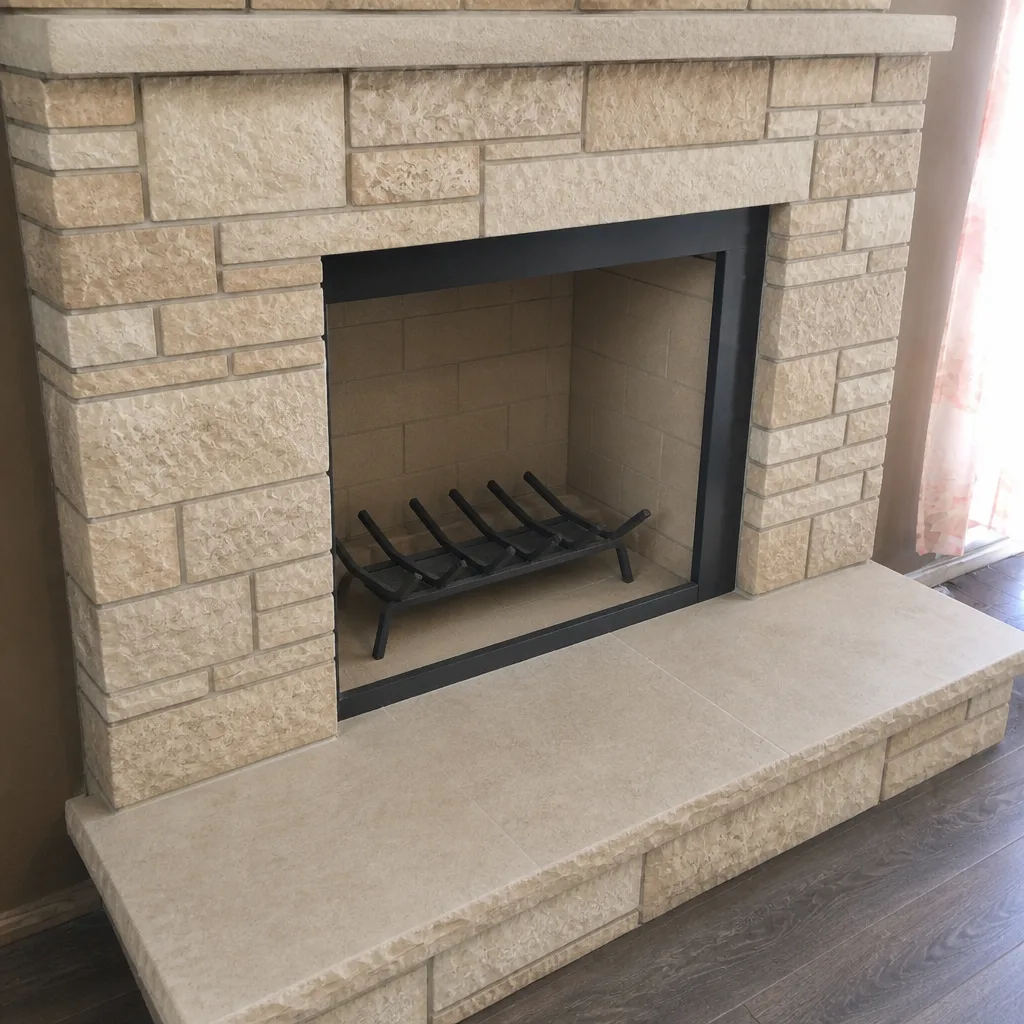
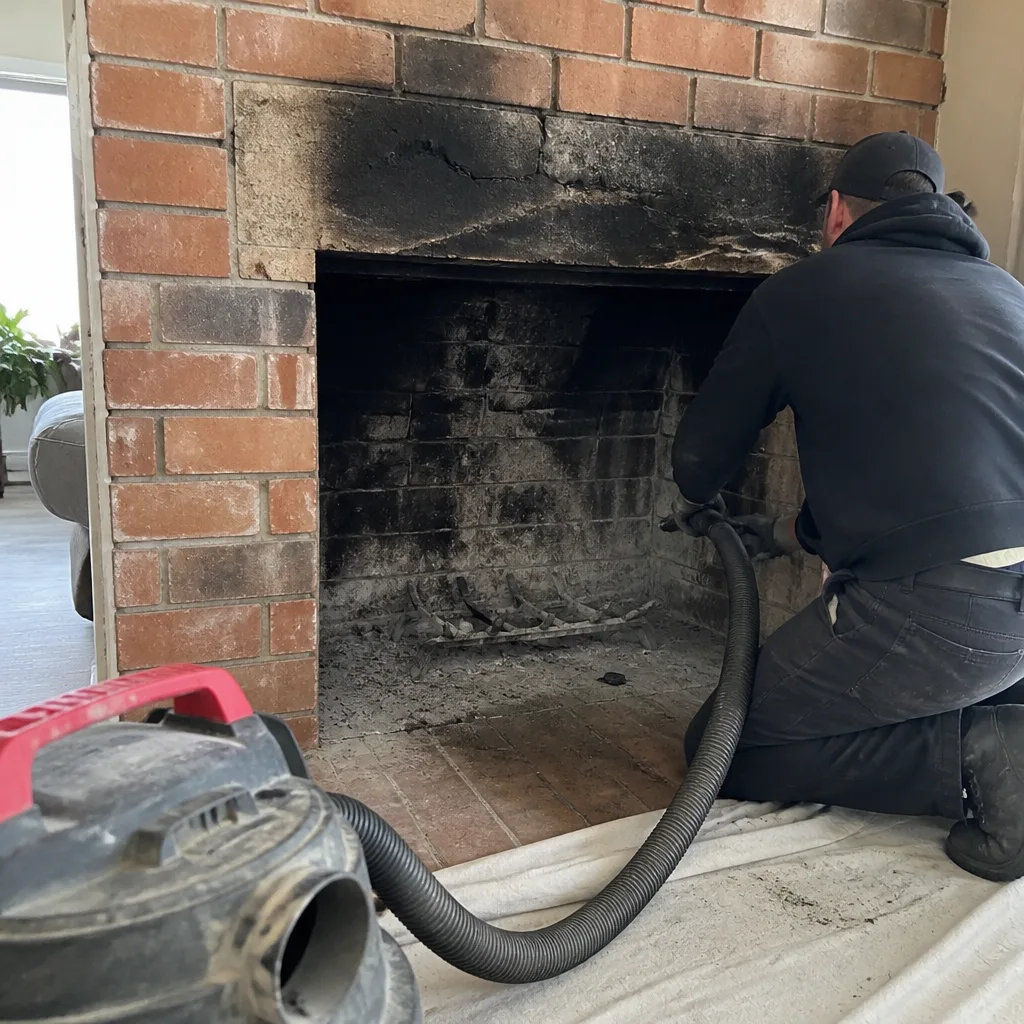
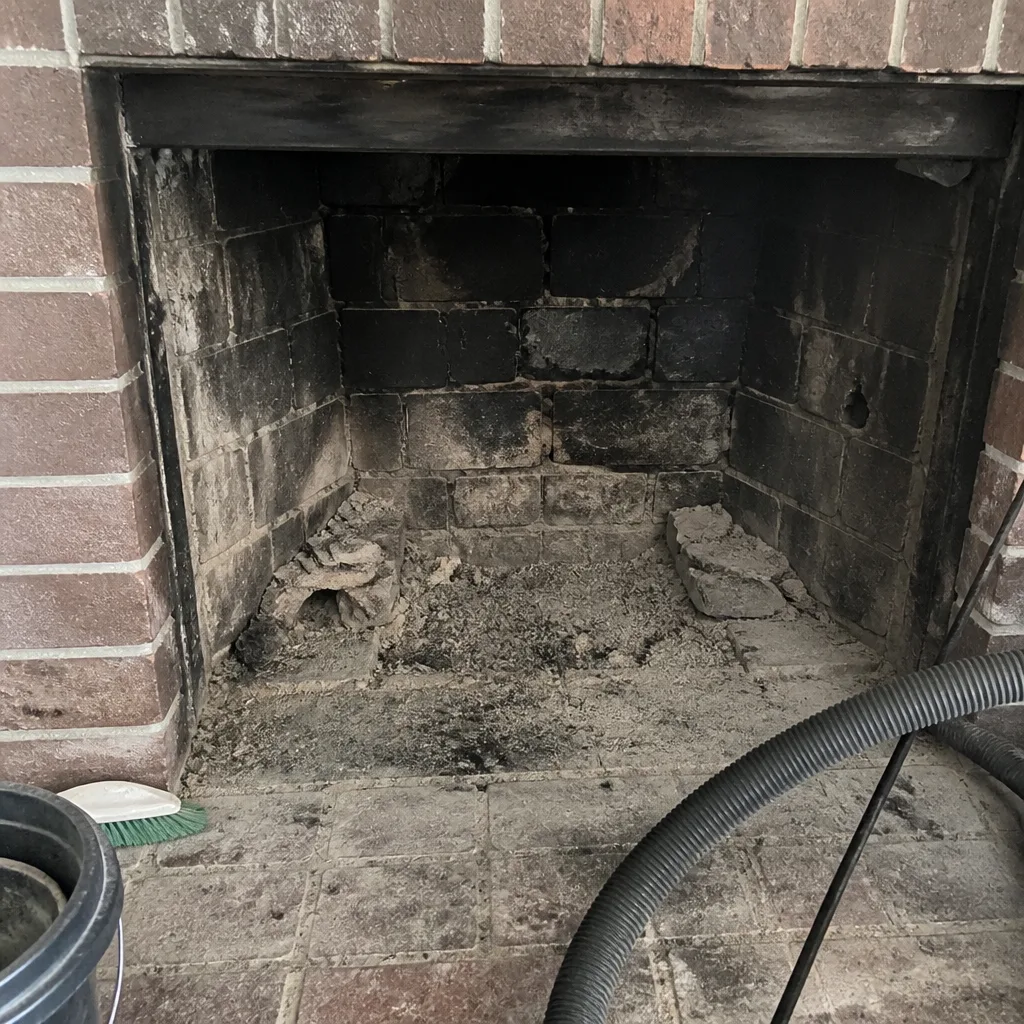 Before
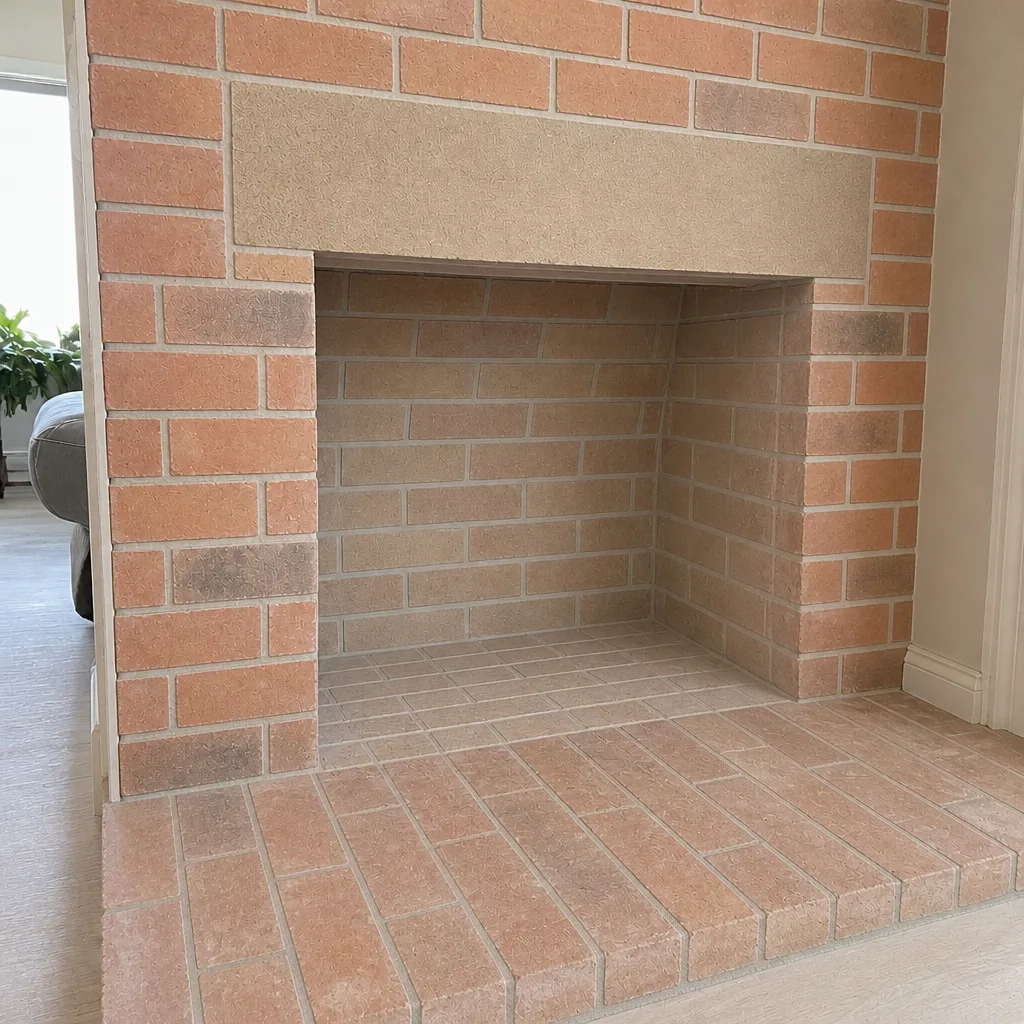
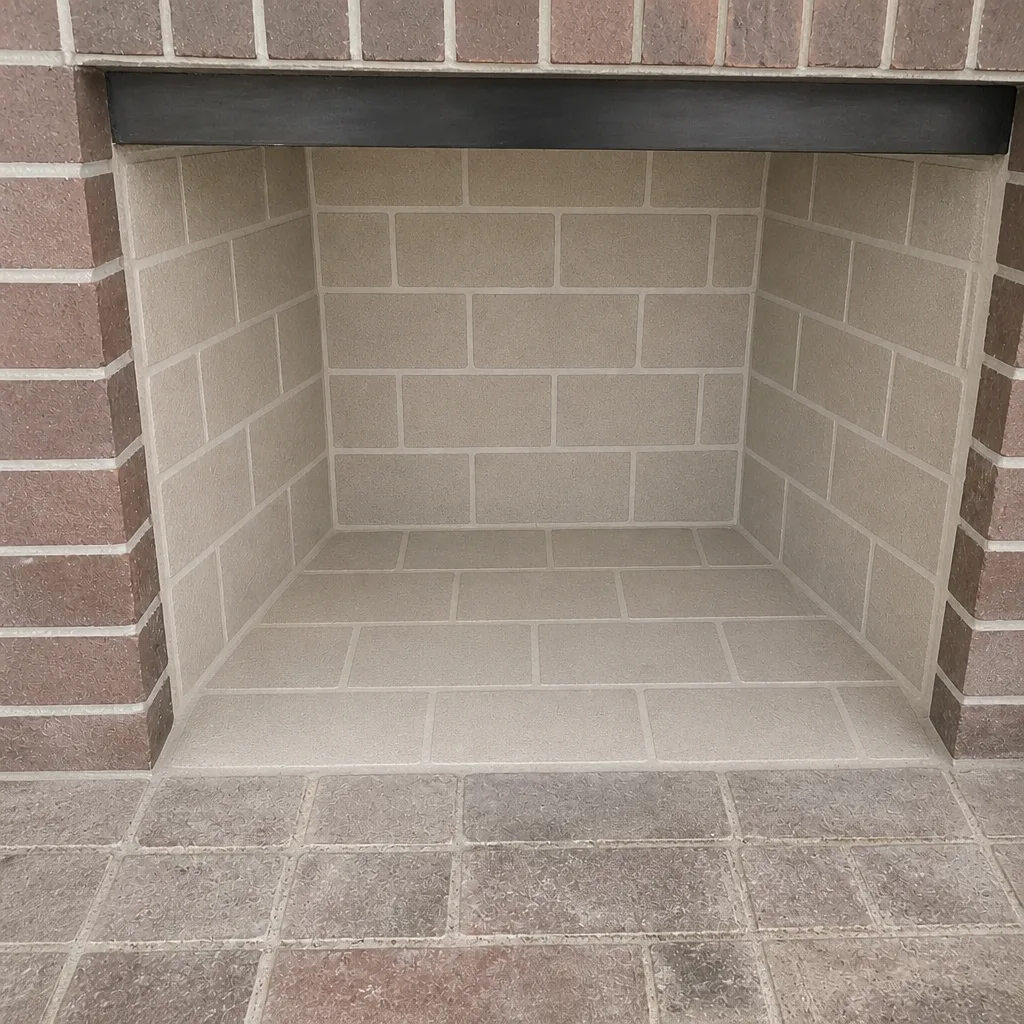 After
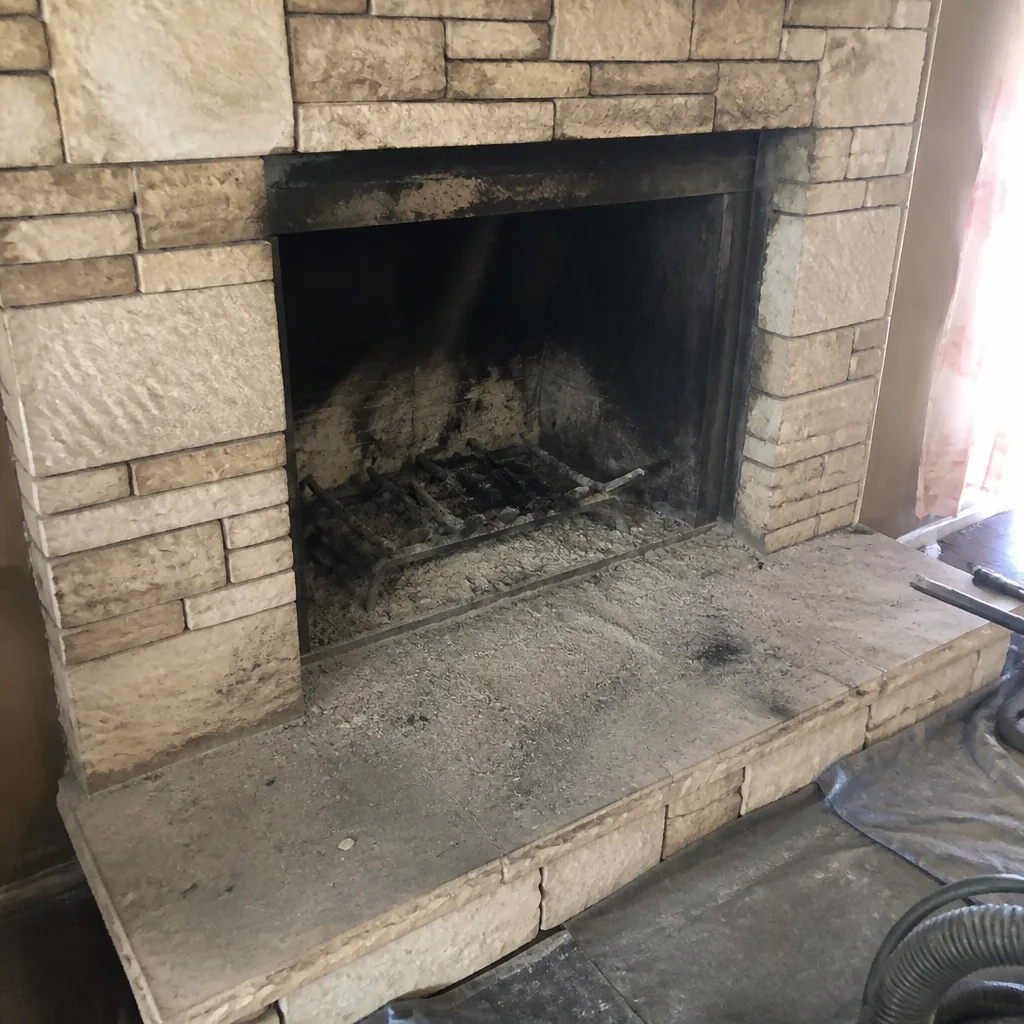 Before
 After
 Before
 After
When to Call a Professional
You should call a professional chimney company in Bellflower if you haven’t had the flue inspected in the past twelve months and you plan to burn anything this winter, wood or gas. You should also call if you notice smoke backing into the room, a thick odor like a campfire days after the last fire, visible black tar glazing inside the firebox above the damper, or if you hear dripping or animals inside the chimney. Any of those signs points to a condition that needs eyes on it, not a DIY fix. Chimney Sweep Bellflower offers free estimates for all of Bellflower. Call (866) 632-0270. We answer 24/7. Fast dispatch from 7am to 7pm, Sunday through Friday.
Frequently Asked Questions
A standard chimney sweep with Level 1 inspection in Bellflower typically runs $189 to $350 for a masonry fireplace with a clay tile liner. If the sweep includes a Level 2 camera inspection, chemical creosote treatment for heavier deposits, and a written report, your total will fall between $350 and $650. Call (866) 632-0270 for an exact quote. Estimates are free.
Most homeowners in Bellflower don’t need a new liner until the existing clay tile is cracked, spalled, or so heavily coated with Stage 3 creosote that cleaning would cost as much as relining. A Level 2 camera inspection is the only way to tell for sure. If the liner is sound, we’ll tell you it’s sound and show you the footage. If it’s not, we’ll explain exactly what we see and let you make the call.
The general recommendation is once per year, but the honest answer depends on how often you burn. A Bellflower household that burns a few dozen fires each winter burns more than one that lights the fireplace twice a season. The best rule is simple: have it inspected annually, sweep it when the creosote reaches the thickness of a nickel or accumulates visibly. Your sweep’s written report will tell you where you stand.
The creosote inside your flue continues to accumulate. Stage 1 becomes Stage 2, Stage 2 becomes Stage 3. At any point, a chimney fire can ignite that deposit and burn at temperatures high enough to crack the clay liner and spread to the house framing. The fire doesn’t care how long it’s been since you used the fireplace. The only thing that matters is how much fuel is inside the flue.
It’s real in the limited sense that a technician will come to your Bellflower home and look at your chimney. The actual cleaning, the part that removes creosote and makes the chimney safe, is a separate line item that gets quoted once the technician sees the condition of the flue. Treat the coupon as the price of the visit, not the price of the service.
Yes, and many Bellflower homeowners ask us to do both in the same visit. The equipment and the discipline are similar: identify the exhaust path, clear the flammable buildup, verify the system is drafting properly. It’s an efficient way to handle two safety items in one appointment. Ask about it when you call for your estimate.
The Bottom Line
Chimney cleaning prices in Bellflower vary because the work varies. A $189 sweep on a clean, well-maintained flue is a legitimate price. A $589 cleaning on a fifty-year-old flue with Stage 2 creosote is also legitimate, maybe more so. The gap is not markup, it’s scope. Know what’s included, see the footage, ask about chemical treatment, and get everything in writing. A chimney is a combustion exhaust system, and the cost of maintaining it correctly is modest compared to what it costs to repair one after a fire.
Written by the team at Chimney Sweep Bellflower, serving Bellflower since 2017.