
Last updated November 4, 2026
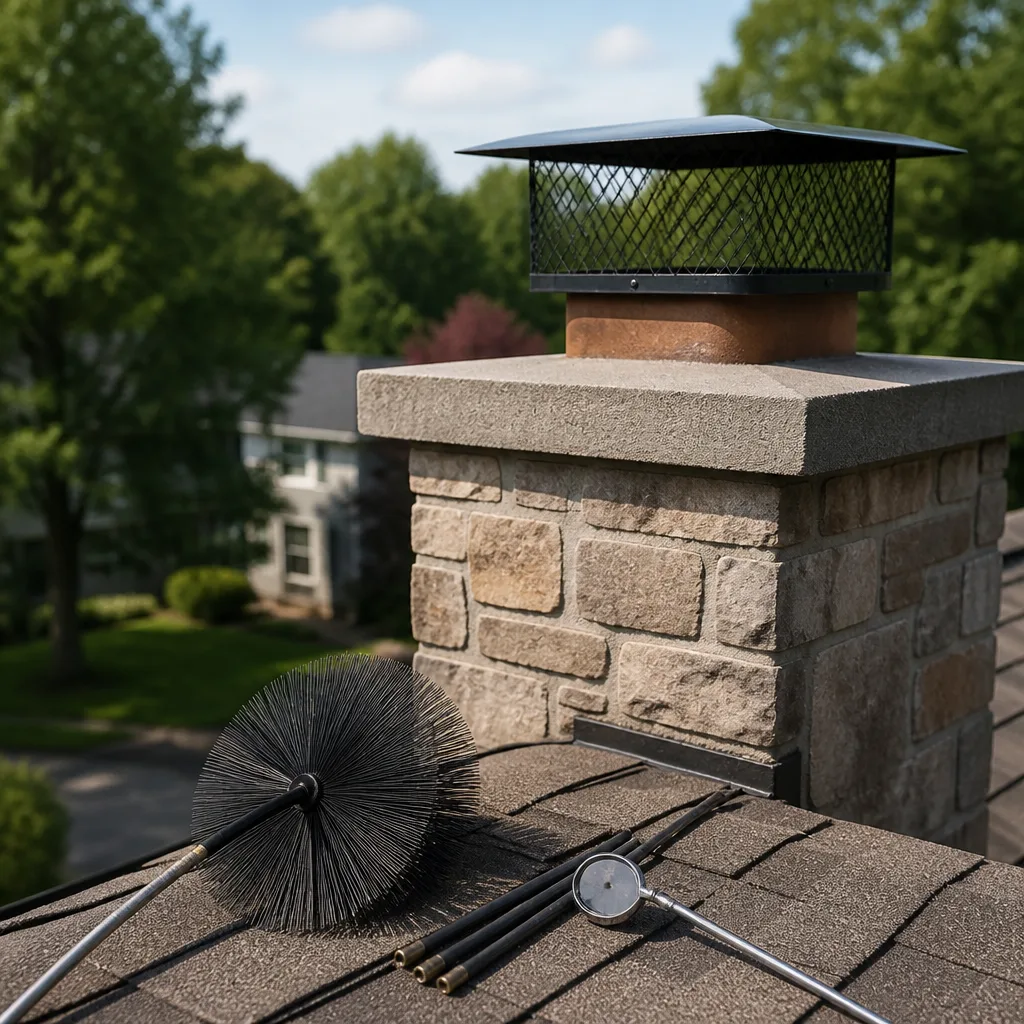 Sweep & inspection
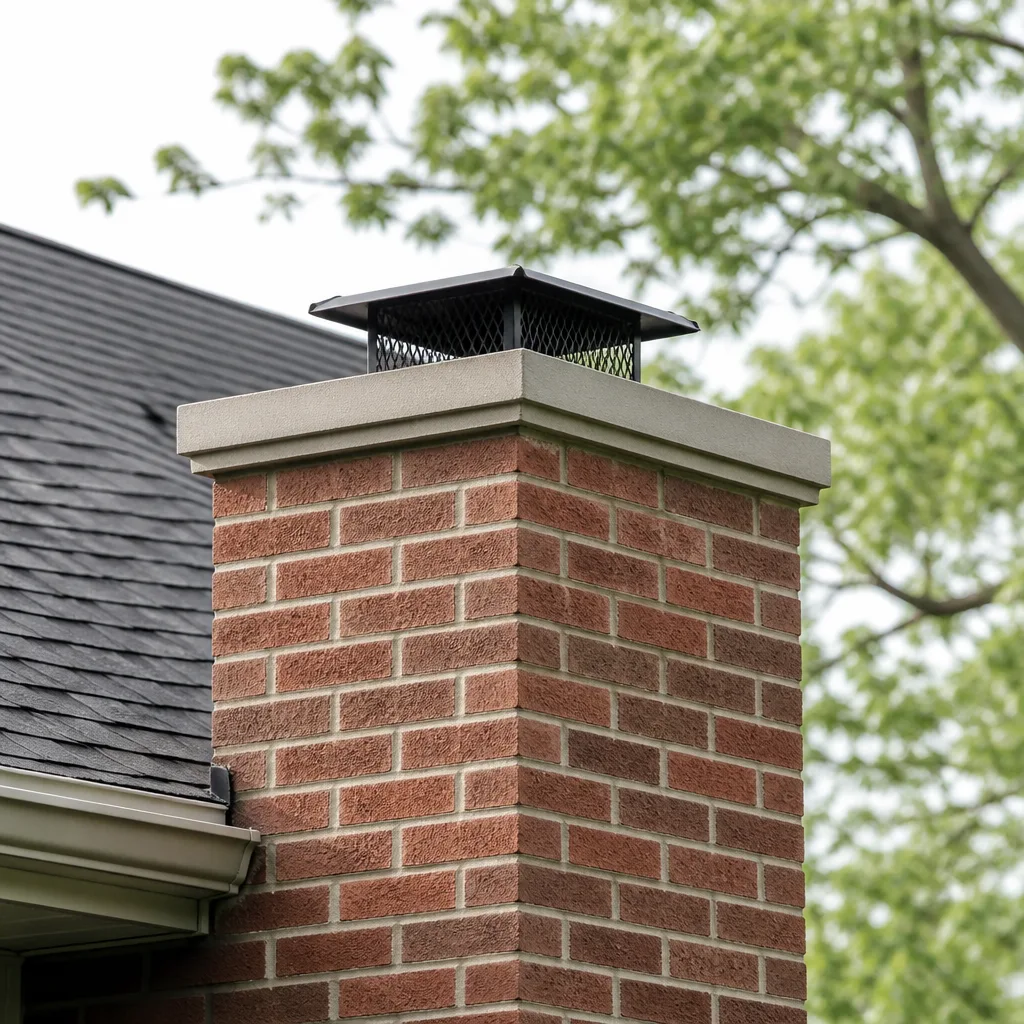 Caps & crowns
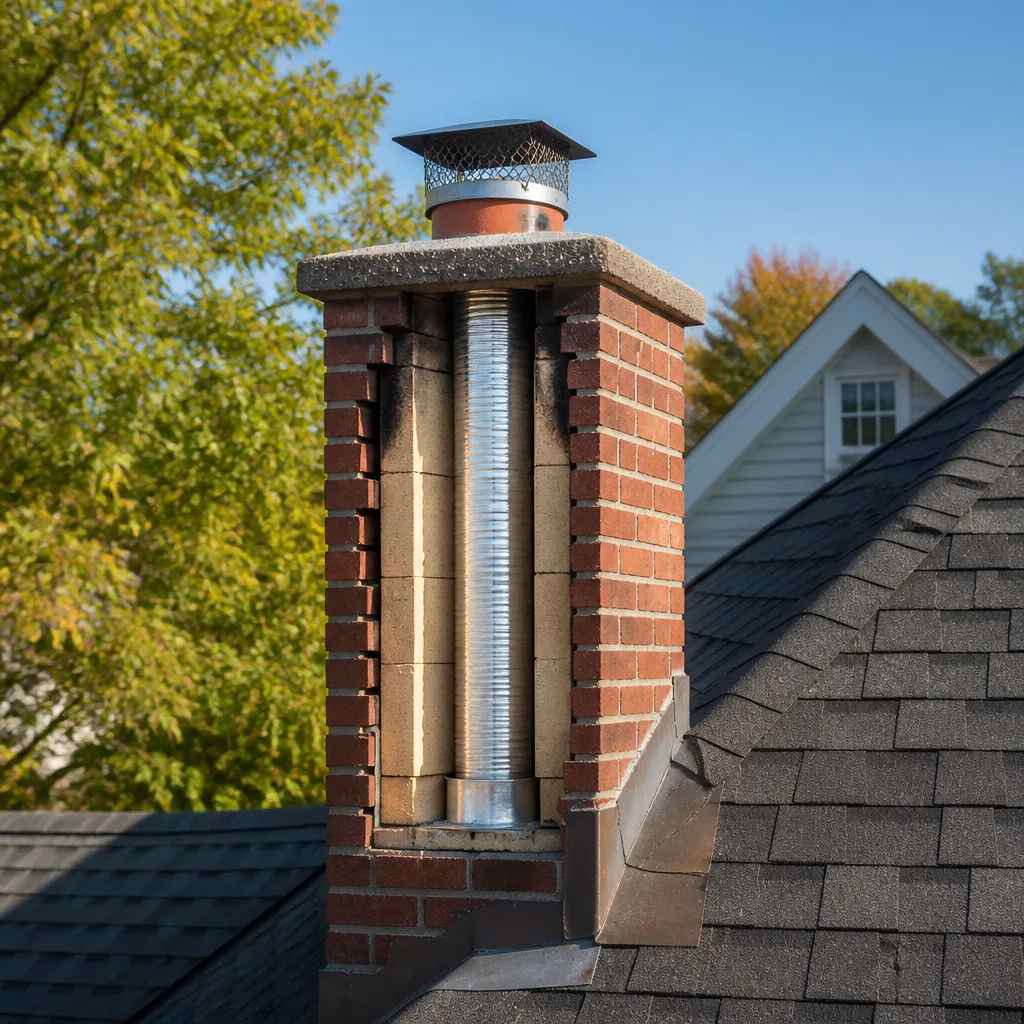 Flue relining
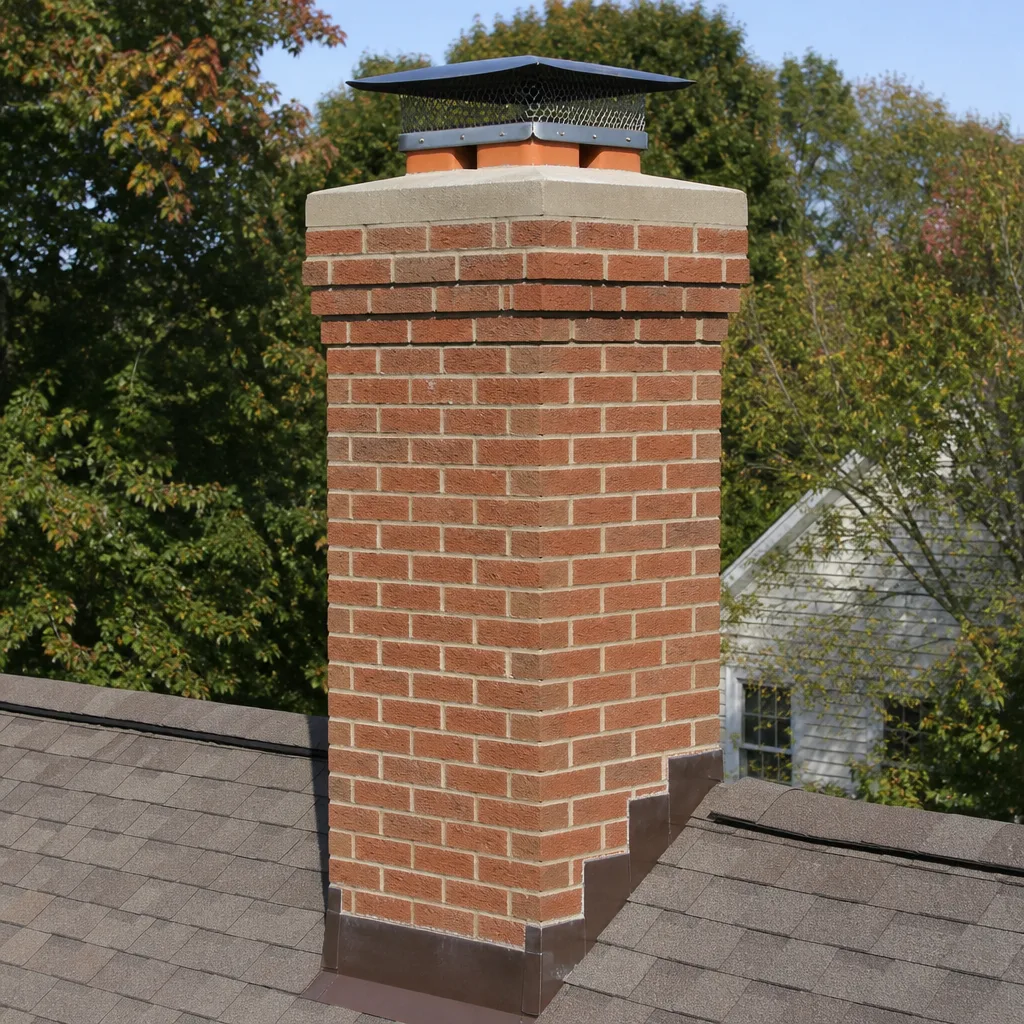 Masonry repair
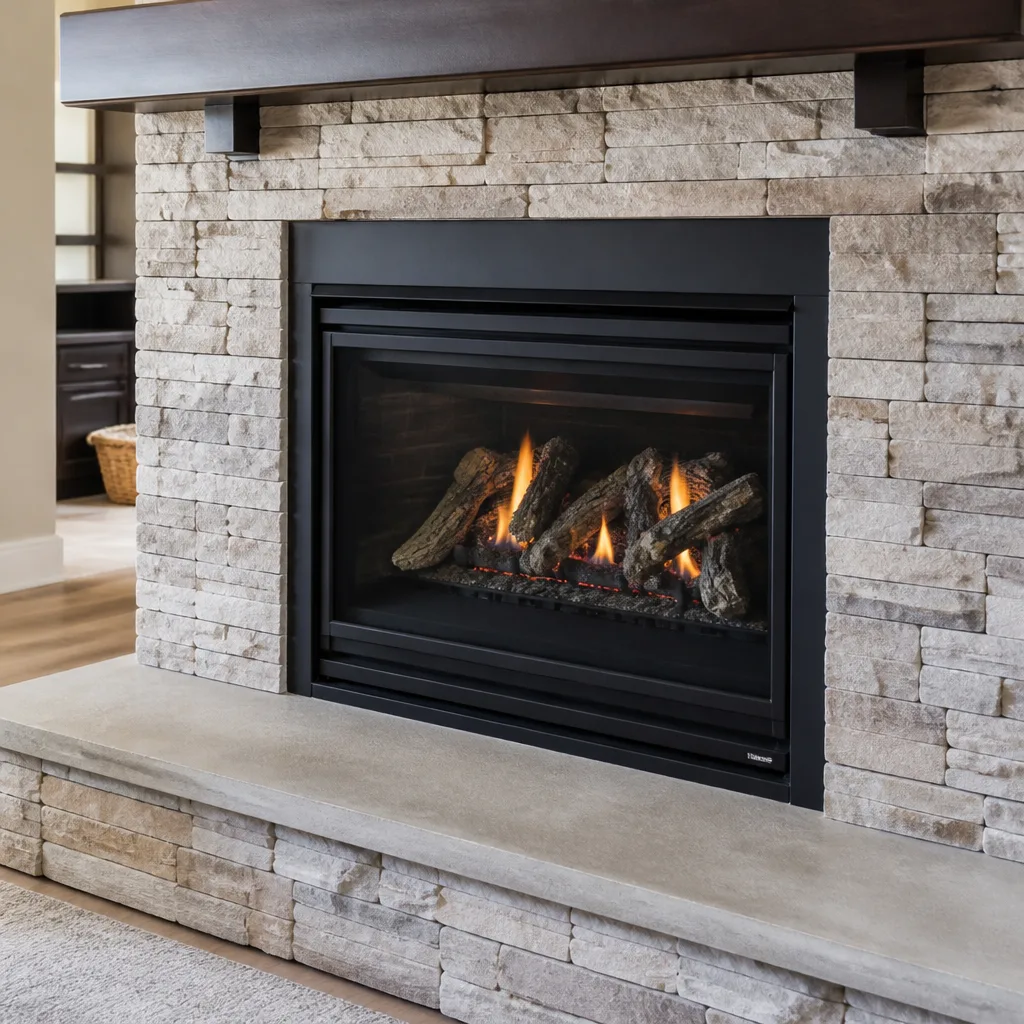 Gas fireplace service
Level 1 sweep and inspection to the NFPA 211 annual standard - flue, crown, cap, and flashing checked and photographed
Chimney sweep logs do not sweep chimneys. They loosen some creosote - which then falls where a brush and vacuum still have to collect it.
DIY vs Professional Chimney Cleaning: The Bellflower Homeowner’s Decision Guide
A rotary brush kit costs about $80 at any hardware store in Bellflower, and it will remove dry soot from a flue. What it will not do is tell you that your clay tile liner has a hairline crack at the third section above the smoke chamber, or that creosote has glazed into a hard layer your brush will skate right over. This guide is not here to talk you out of DIY work. It exists to show you exactly where homeowner maintenance is legitimate, where it creates false confidence, and where a professional chimney sweep becomes the only responsible choice. By the end, you will know which path fits your fireplace, your burn habits, and your liner.
Styles & brands we work with
- Sweep & inspection
- Caps & crowns
- Flue relining
- Masonry repair
- Gas fireplace service
Quick Answer
DIY chimney cleaning is adequate for removing loose soot when you have mild buildup, a straight flue, and confidence working at heights. Professional cleaning is the right call when you have glazed creosote, a wood-burning fireplace used more than a few times per season, an older liner, or any appliance with gas venting concerns. The real gap is not brushing skill, it is the inspection: homeowners clean what they can see, and chimney fires start in what they cannot. A professional sweep includes camera inspection, draft testing, and a written report, which no brush kit can replicate.
Table of Contents
- What DIY Chimney Cleaning Actually Covers
- Where DIY Is Genuinely Adequate, and Where It Is Not
- The Equipment Gap: Vacuum Systems, HEPA Filtration, and Containment
- The Inspection Component No Brush Kit Can Replace
- Liability and Insurance: What Happens After a Fire
- The Four-Variable Decision Matrix
- Common Mistakes to Avoid
- When to Call a Professional
- Frequently Asked Questions
- The Bottom Line
What DIY Chimney Cleaning Actually Covers
A homeowner with a basic brush kit, drop cloths, and a dust mask can remove loose soot from the flue walls. That is the honest scope of the work. Soot is the soft, powdery carbon layer that builds up from smoke particles. It brushes away with moderate effort. What a homeowner can also legitimately maintain themselves falls into four categories: ash removal from the firebox, damper operation checks, exterior cap inspection from ground level or a safely positioned ladder, and a visual firebox assessment for cracked refractory panels or water stains. These are real maintenance tasks, and doing them regularly reduces how often a professional deep clean is needed.
What DIY does not address is anything beyond the soot layer. Creosote is not soot. Creosote forms in three stages: Stage 1 is a flaky, dusty deposit. Stage 2 is a hardened, tar-like coating that a wire brush will not remove without aggressive mechanical effort and often chemical pre-treatment. Stage 3 is a glazed, shiny, hardened layer that essentially requires professional rotary loops, chemical removers, or both. Most homeowners in Bellflower who burn wood casually will accumulate Stage 1 creosote. Those who burn unseasoned wood, close the damper too early, or burn in an older fireplace will begin forming Stage 2 without realizing it. A hardware-store brush will pass over Stage 2 and leave it intact. That is the failure point most guides never mention.
Where DIY Is Genuinely Adequate, and Where It Is Not
There are specific scenarios where DIY cleaning is a legitimate, low-risk choice. A gas log set with no history of wood burning is the clearest example. Gas systems produce little to no creosote. The vented type still accumulates dust, spider webs, and occasional debris, and a homeowner can brush that out with basic tools. Another adequate scenario is an electric fireplace, which produces no combustion byproducts at all and needs only occasional dusting of the firebox and blower vents, if present. A third: a decorative wood-burning fireplace that has not been used in years and shows no visible accumulation when you shine a flashlight up from the firebox. In these cases, a professional sweep is not urgent. What still matters is an inspection before you light a fire again.
DIY becomes insufficient the moment real creosote is present, the liner is clay tile and over 20 years old, the appliance is a wood stove with a connector pipe, or you cannot safely access the flue cap from your roof. Bellflower homes built before roughly 1990 often have clay tile liners, and those liners crack over time from thermal stress. A crack is not visible from the firebox. You need a camera pushed up the flue to see it. A homeowner brushing their own chimney is not going to know that crack exists, and they will light a fire the next winter with a compromised flue. The cleaning was successful. The inspection never happened. That is the distinction this guide is built around.
If you burn wood more than twice per month during the cooler months, you should have your flue professionally evaluated at least once per year regardless of how clean it looks. Chimney Sweep Bellflower performs a chimney sweep that includes the full inspection component, because in our experience, the homes that look cleanest from the firebox are often the ones with issues higher up the flue.
The Equipment Gap: Vacuum Systems, HEPA Filtration, and Containment
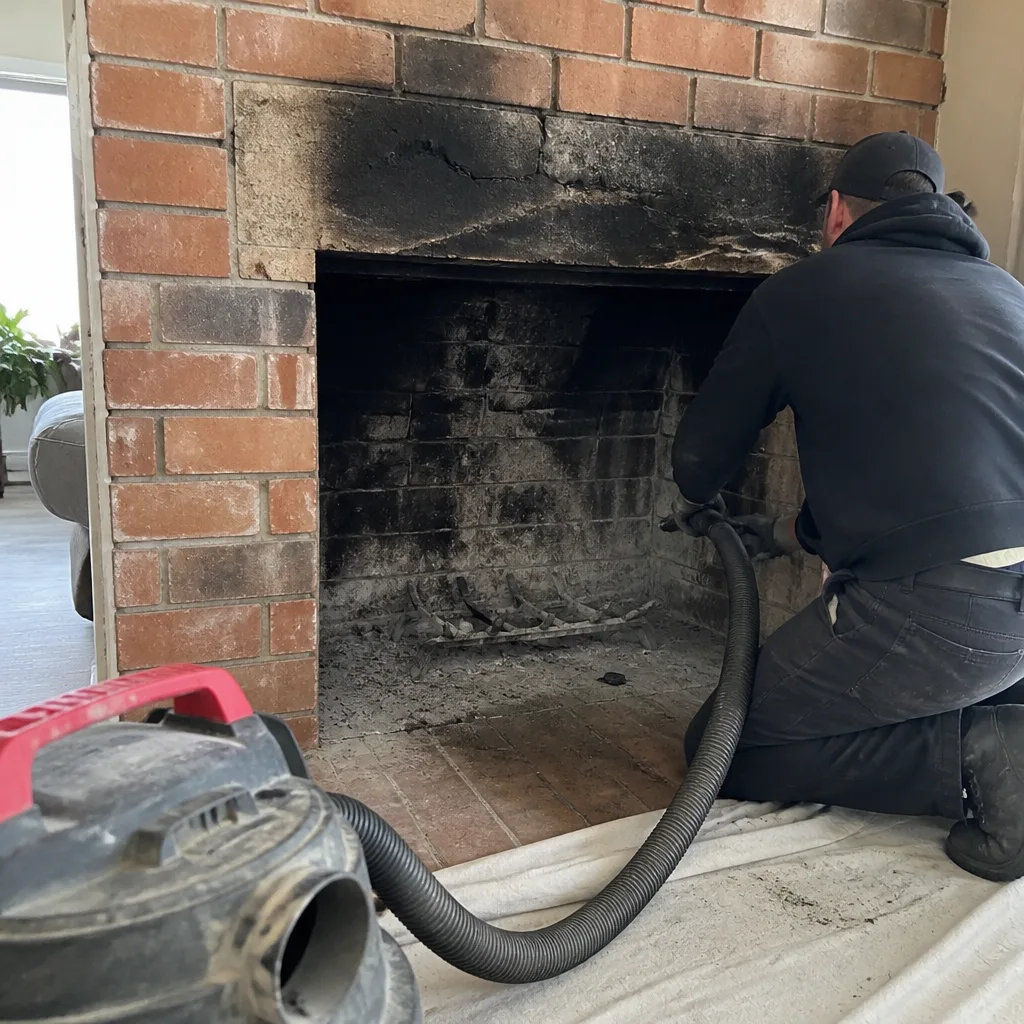
A shop vac is not a professional chimney vacuum. This is the single most overlooked difference between what a homeowner can do and what a professional sweep brings to the job. Professional chimney sweeps use high-cubic-feet-per-minute vacuum systems with HEPA filtration, designed specifically to capture fine particulate matter. A standard shop vac will pull the larger debris but exhaust a significant portion of the fine soot back into your living room. Homeowners who have DIY-cleaned a chimney often describe the same result: a visible layer of dust on furniture, in carpet fibers, and suspended in the air for days.
Professional sweeping also involves containment. A professional sets up drop protection around the firebox opening, seals the fireplace face when possible, and runs the vacuum continuously during the entire brushing process to create negative pressure. That negative pressure pulls loose soot into the filter rather than allowing it to float into the room. The brush itself is only half of the process. The containment system is the other half, and it is the half a hardware-store kit cannot replicate. In a Bellflower home with a tighter building envelope, which is common in newer construction, that containment matters even more, because fine soot particles have nowhere to escape once they enter the living space.
Beyond containment, professional equipment differs in reach and torque. Rotating brush systems attached to durable rods can break through Stage 2 creosote and polish Stage 3 surfaces, especially when paired with chemical preconditioning. In our work we use professional-grade materials and tooling, including components from supply partners like Olympia Chimney and Copperfield, because flues do not forgive cheap equipment. A wire brush from a retail kit can snap off inside a clay tile flue and become a lodged obstruction. A professional rod system does not leave parts behind.
The Inspection Component No Brush Kit Can Replace
Every professional cleaning begins with an inspection, and the inspection is the part that catches what you cannot see. A standard Level 1 chimney inspection covers the accessible portions of the interior and exterior, the flue lining, the appliance connector pipe, the damper, and the smoke chamber. A Level 2 inspection adds camera scanning and is what any responsible professional performs when there is any reason to suspect hidden damage, which in a chimney older than a decade means nearly always. The camera reveals what the eye cannot: cracked clay tiles, separated mortar joints, missing flue sections, animal nesting material wedged mid-flue, and heat distortion on metal liners.
A homeowner cleaning their own chimney is performing zero inspection. They are removing visible soot and assuming the invisible structure is sound. In our experience working across Bellflower, the most common discoveries during a professional sweep are not dangerous creosote layers. They are moderate clay tile cracks, failed mortar crowns, and dampers that no longer seat fully. None of those are visible from the roof or the firebox without tools. A professional will also check draft, meaning the actual airflow through the flue. A smoke test or draft gauge tells you whether your chimney draws correctly, which affects both fire performance and carbon monoxide safety in the home.
The gap is not philosophical. It is visual: one person looks up a chimney with a flashlight, another looks up the same chimney with a camera. They see different chimneys. The homeowner sees a dark tube with some fluffy black coating. The professional sees a flue with a third-section tile crack, a damper that opens only 80%, and creosote in the smoke chamber at a density that warrants removal before another fire. The cleaning is important. The seeing is what prevents the fire.
Liability and Insurance: What Happens After a Fire
Homeowners rarely think about the insurance conversation until after a chimney fire, and by then it is too late to change the facts. Most homeowners insurance policies that cover fire damage will ask, during the claim process, for maintenance records related to the fire source. If the fire originated in a chimney, the adjuster will want to know when the chimney was last cleaned, who cleaned it, and whether any inspection report exists. A homeowner who replies, “I cleaned it myself,” and cannot produce documentation, an inspection record, or any evidence of professional evaluation, is in a weak position. The insurance carrier may not deny the claim outright. But the burden of proving adequate maintenance shifts to the homeowner, and without records, that burden is difficult to meet.
This is not a scare tactic. It is how claims work. Professional sweeps produce written reports, photos, and camera footage. Those documents are the evidence a homeowner shows an adjuster to prove the fireplace was properly maintained. A DIY cleaning produced none of that. Beyond insurance, there is a liability layer for homeowners who rent out their property. Landlords in Bellflower with tenant-occupied units have a duty to maintain combustion appliances. If a chimney fire in a rental traces back to a landlord-maintained flue, the absence of professional documentation becomes a legal exposure.
The practical rule: if you burn wood as a primary heat source or consistently through the cooler months, a professional sweep with a written report is not an optional expense. It is a maintenance record that protects you on the back end of a worst-case scenario. The cost of a professional sweep is modest compared to the cost of even a partial fire claim. Your insurance company is not asking you to be an expert. They are asking you to be able to show you did your job.
The Four-Variable Decision Matrix
The choice between DIY and professional comes down to four variables. Answer them honestly and the decision makes itself.
- Burn frequency. If you burn wood more than twice a month during the winter season, you are generating creosote faster than you think. Professional cleaning at least once per year is warranted. If you never burn wood and only use gas logs, DIY inspection and light brushing is likely sufficient with a professional inspection every two to three years.
- Appliance type. Open wood-burning fireplaces generate the most creosote and have the least efficient combustion. Wood stoves with connector pipes need more frequent attention because the horizontal pipe runs collect soot quickly. Gas logs need minimal cleaning but still benefit from periodic flue inspection.
- Liner age and material. Clay tile liners older than 20 years are the highest-risk category because hairline cracks are invisible without a camera. Metal liners, whether rigid or flexible, can fail at seams. If you do not know your liner’s age or material, the first step is professional inspection, not DIY brushing. Homes in central Bellflower with original fireplaces from the 1950s and 1960s frequently fall into this unknown-liner category.
- Last professional inspection date. If you cannot remember the last time a professional looked at your flue, the answer is professional now. Even if you DIY-clean afterward, you need a baseline inspection to know what you are working with. After a professional baseline is established, a homeowner can maintain between visits if the first three variables are low-risk.
Common Mistakes to Avoid
- Assuming a clean-looking firebox means a clean flue. The firebox is the part you can see from your living room. The flue is the part above the damper. They accumulate at entirely different rates, and a spotless firebox frequently sits below a heavily coated smoke chamber.
- Using unseasoned wood because it is cheaper. Wet or green wood burns incompletely and creates more creosote per fire than properly seasoned wood. In Bellflower, wood sourced from backyard tree removals is often nowhere near seasoned enough for safe burning.
- Closing the damper too soon after a fire. The rush to trap heat in the house is understandable, but closing the damper while embers are still smoldering slows the exit of smoke and deposits creosote in the upper flue. Wait until the fire is fully out.
- Brushing a metal liner with the same wire brush you would use on clay tile. Wire brushes can scratch or damage certain metal liners. The correct brush type depends on the liner material, and using the wrong one creates surface abrasion that catches creosote faster next season.
- Climbing onto a roof without a safety plan. The majority of chimney injuries happen on ladders and rooflines, not in the flue. A homeowner on a steep pitch with a brush rod in one hand is a fall risk. Professionals train for roof work and carry full safety equipment.
- Ignoring the dryer vent in the same house. The lint inside a dryer vent is the leading cause of home dryer fires. A homeowner focused on the fireplace often forgets the other combustion-related hazard in the laundry room. Professional dryer vent cleaning is recommended annually, and it is a service we perform alongside chimney work at Chimney Sweep Bellflower.
- Postponing inspection because the chimney is not used. An unused chimney still ages. Masonry moves, crowns crack, and animals build nests. The absence of fire does not mean the absence of problems. An inspection before resuming use after a long idle period is the safest path.
When to Call a Professional
Call a professional when you see any of the following: smoke entering the room during a fire, a strong campfire-like odor even when the fireplace is cold, visible Stage 2 or Stage 3 creosote (tar-like or shiny black coating), evidence of animal nesting, water staining on the ceiling near the chimney, or any signs of spalling masonry. These are not DIY situations. They indicate a chimney that needs evaluation beyond brushing. If you have not had a professional inspection in over two years and you use the fireplace at all, the responsible move is to schedule one. Chimney Sweep Bellflower offers free estimates in Bellflower. Call (866) 632-0270. We answer 24/7. Fast dispatch from 7am to 7pm, Sunday through Friday.
Frequently Asked Questions
A standard chimney sweep in Bellflower typically falls in the range of $150 to $300, depending on the size of the flue, the amount of creosote present, and the type of appliance. That price includes the cleaning, the inspection, and the written report. If your flue has heavy Stage 3 glazing or requires chemical treatment, the cost will trend toward the higher end. The price is set per job by a written estimate, not a flat national average. Call (866) 632-0270 for an exact quote based on your fireplace. Estimates are free.
Wood-burning fireplaces used regularly should be swept once per year, before the first cold-season burn. Gas log sets can go two to three years between professional inspections in most cases. If you burn wood daily through the cooler months, two cleanings per season may be warranted depending on creosote accumulation. The National Fire Protection Association standard is to clean when buildup reaches 1/8 inch, which a professional measures during inspection. Bellflower’s mild winters mean most homeowners use fireplaces recreationally rather than as primary heat, so once per year covers the large majority of households.
You need a new liner when the current one has cracks, separations, or perforations that compromise the flue’s ability to contain heat and combustion gases. That is not an upsell, it is a structural fact. The only way to know is with a camera inspection. A professional who recommends a liner should show you the footage of the cracks. At Chimney Sweep Bellflower, we do not recommend a liner system without camera evidence you can see for yourself. Repair options like HeatShield resurfacing or a DuraFlex reline are discussed only when the inspection supports them.
Creosote accumulates in increments. The first year produces a light coating. The second year adds more. By year three, the thickness increases, and that is when it becomes fuel for a chimney fire. A chimney fire burns incredibly hot and can crack clay liners, warp metal components, and send burning debris onto the roof. Even if a chimney fire stays contained to the flue, the damage it causes requires expensive repair before the fireplace can be used again. The cost of routine cleaning is a fraction of the cost of post-fire repair. Call (866) 632-0270 to schedule a sweep before another season passes.
Yes, with caution. Gas fireplaces produce minimal creosote, so the cleaning burden is light. What gas systems still need is a periodic inspection of the venting, the burner, and the flue cap. A homeowner can brush out dust and check the cap, but the internal venting connections should be evaluated by a professional every few years. Gas appliances can produce carbon monoxide if venting is compromised, and that is a risk you cannot see with a flashlight.
There is no law in Bellflower that prohibits a homeowner from cleaning their own chimney. The legal issue is rarely about the cleaning itself. It is about liability if a fire or carbon monoxide incident occurs and the homeowner cannot demonstrate proper maintenance. The practical and insurance-level question is whether your DIY work will hold up under scrutiny after an incident. Professional documentation is your strongest defense.
A sweep is the removal of soot and creosote. An inspection is the evaluation of the flue structure, liner condition, clearance to combustibles, damper function, and venting performance. Every professional chimney sweep includes an inspection as part of the job, but an inspection can also be performed without a sweeping if the chimney is already clean. At Chimney Sweep Bellflower, our standard sweep includes a full Level 1 inspection, and we recommend Level 2 camera inspection when the flue has not been evaluated in years or when we find anything that warrants a closer look.
The Bottom Line
DIY chimney cleaning has a legitimate place. Homeowners who burn infrequently, understand their appliance, and maintain between professional visits can keep a flue clear of loose soot with basic tools. What DIY cannot do is replace the inspection that catches structural cracks, damper failures, and heavy creosote before they become emergencies. The hardware-store brush kit cleans the surface; the professional camera sees through to the liner. If you know your burn habits, your liner age, and your last inspection date, the right path is clear. If any of those variables is uncertain, start with professional evaluation and build your maintenance plan from there. Chimney Sweep Bellflower serves homeowners throughout Bellflower with chimney sweeping, chimney repair, and dryer vent cleaning. For a free estimate, call (866) 632-0270. We answer 24/7. Fast dispatch from 7am to 7pm, Sunday through Friday.
Written by the team at Chimney Sweep Bellflower, serving Bellflower since 2017.
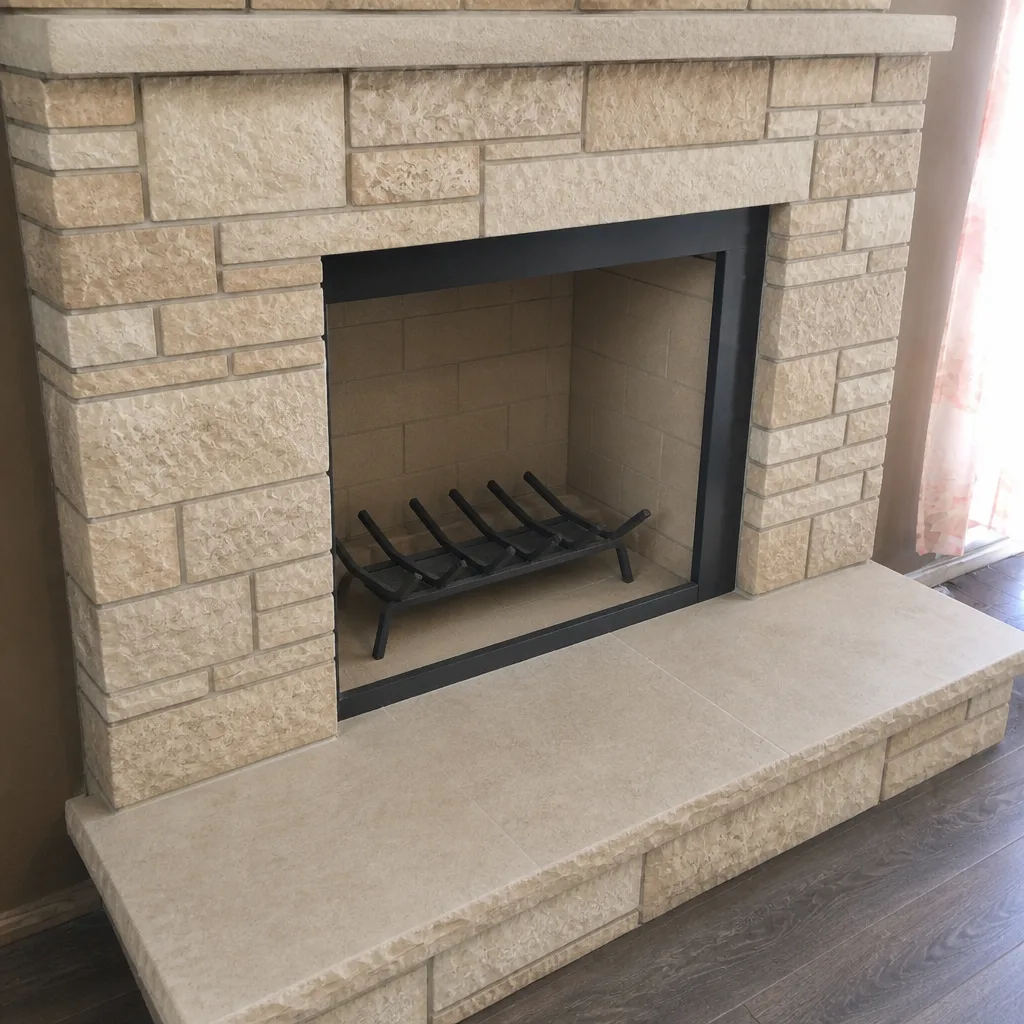
See the difference
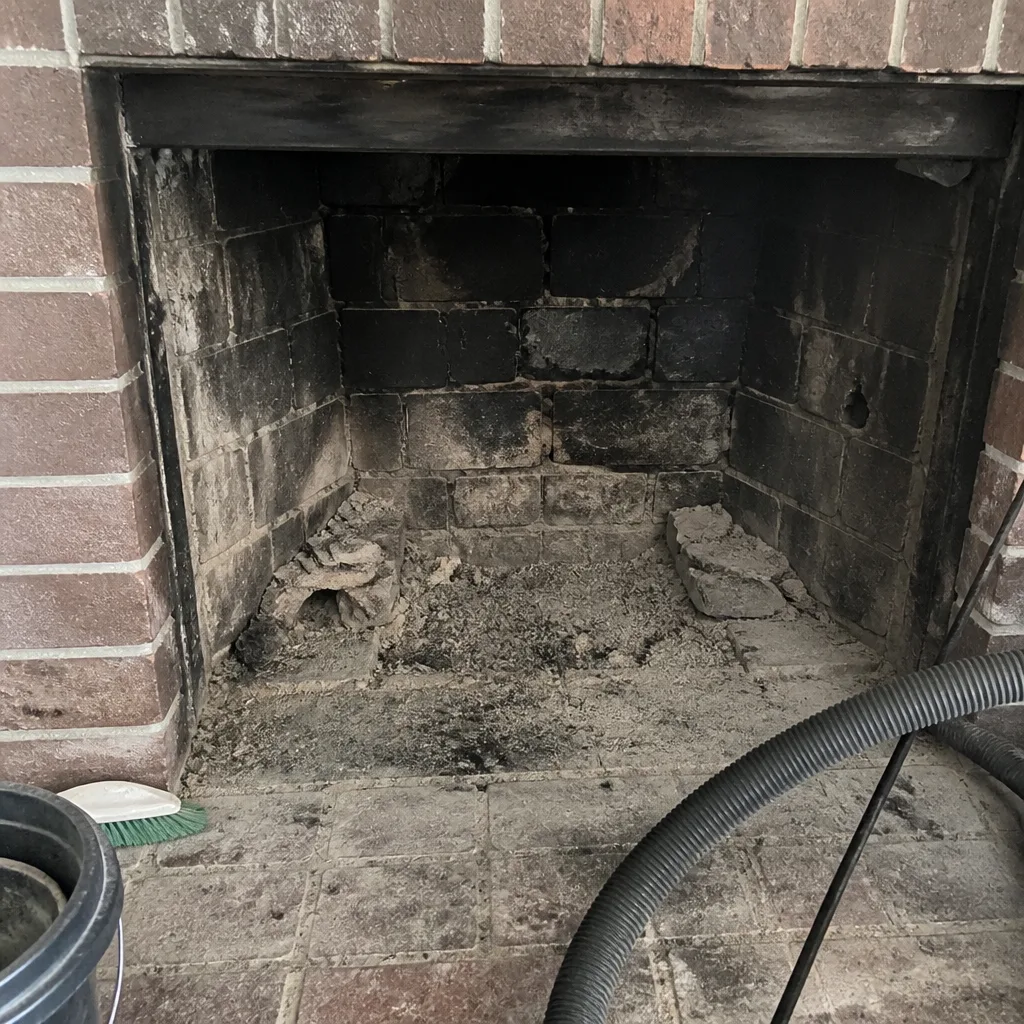 Before
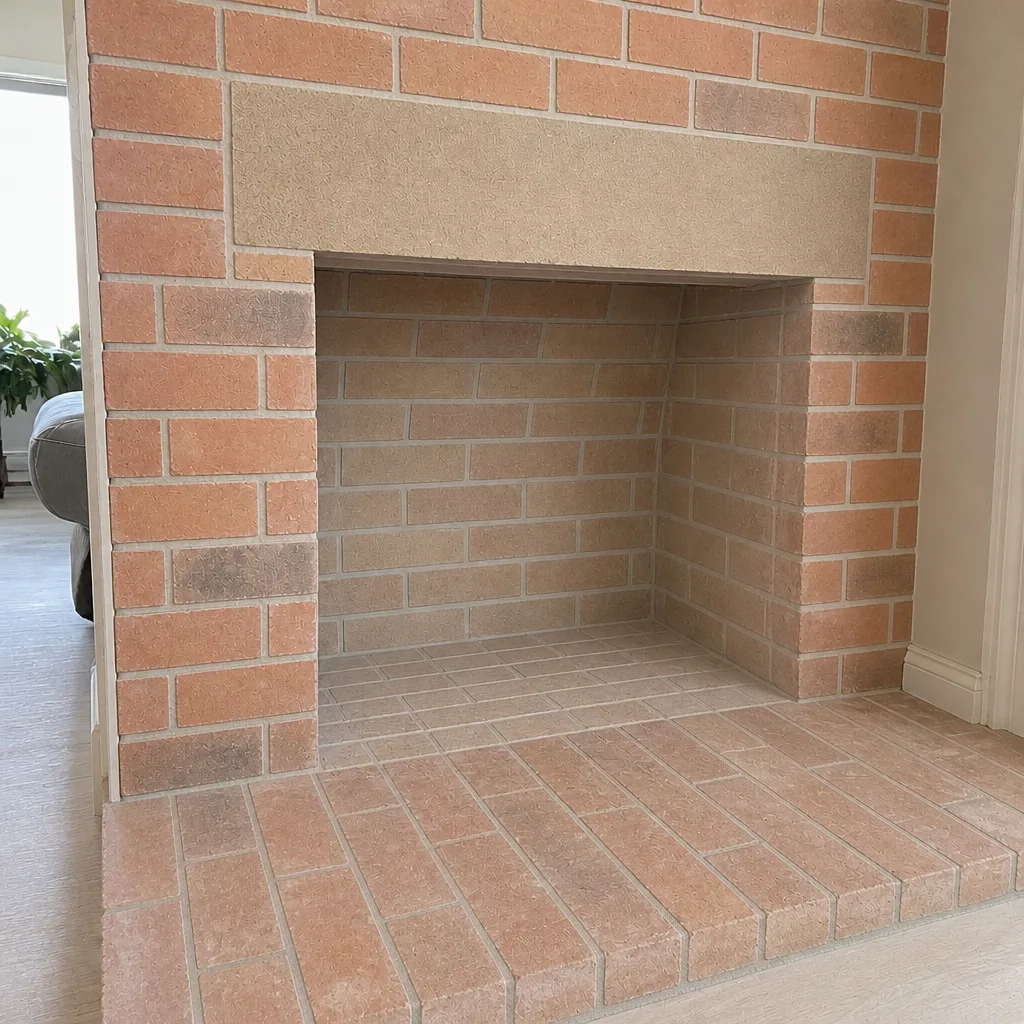
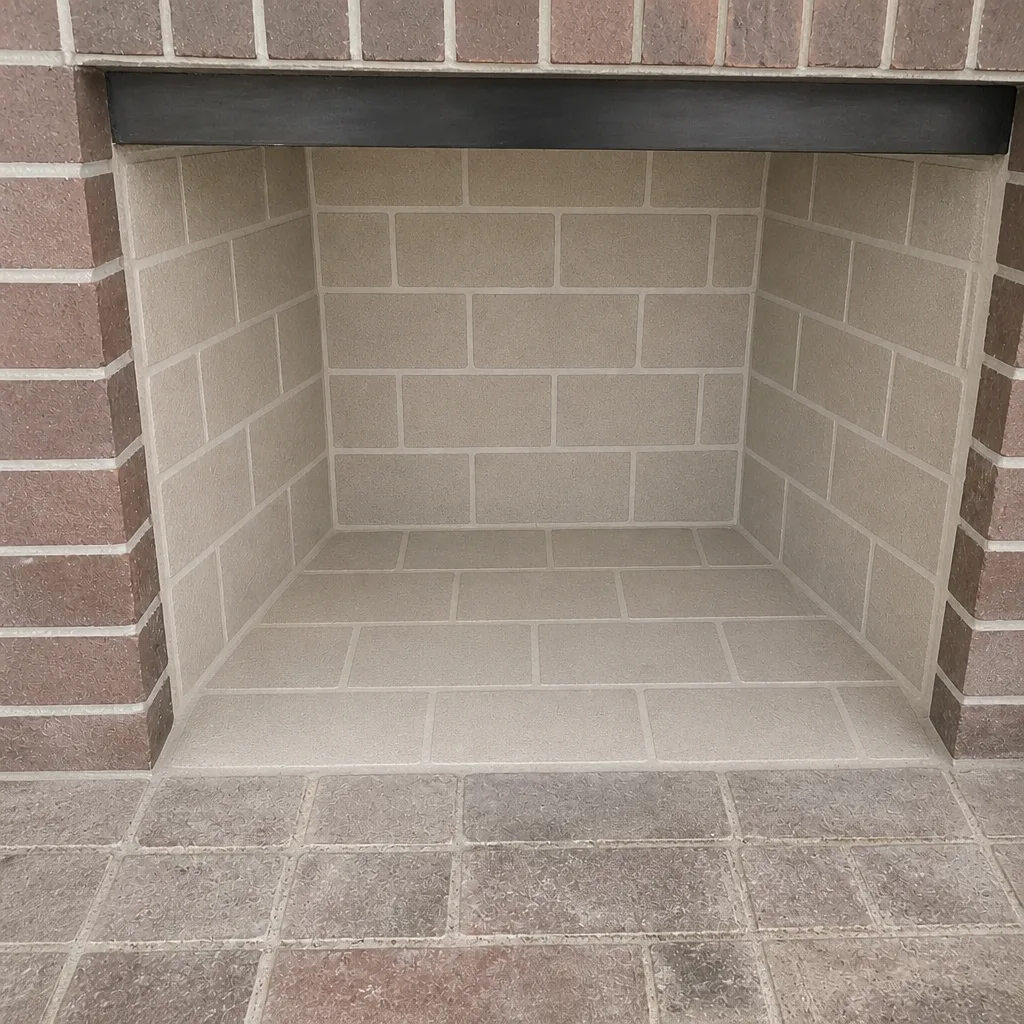 After
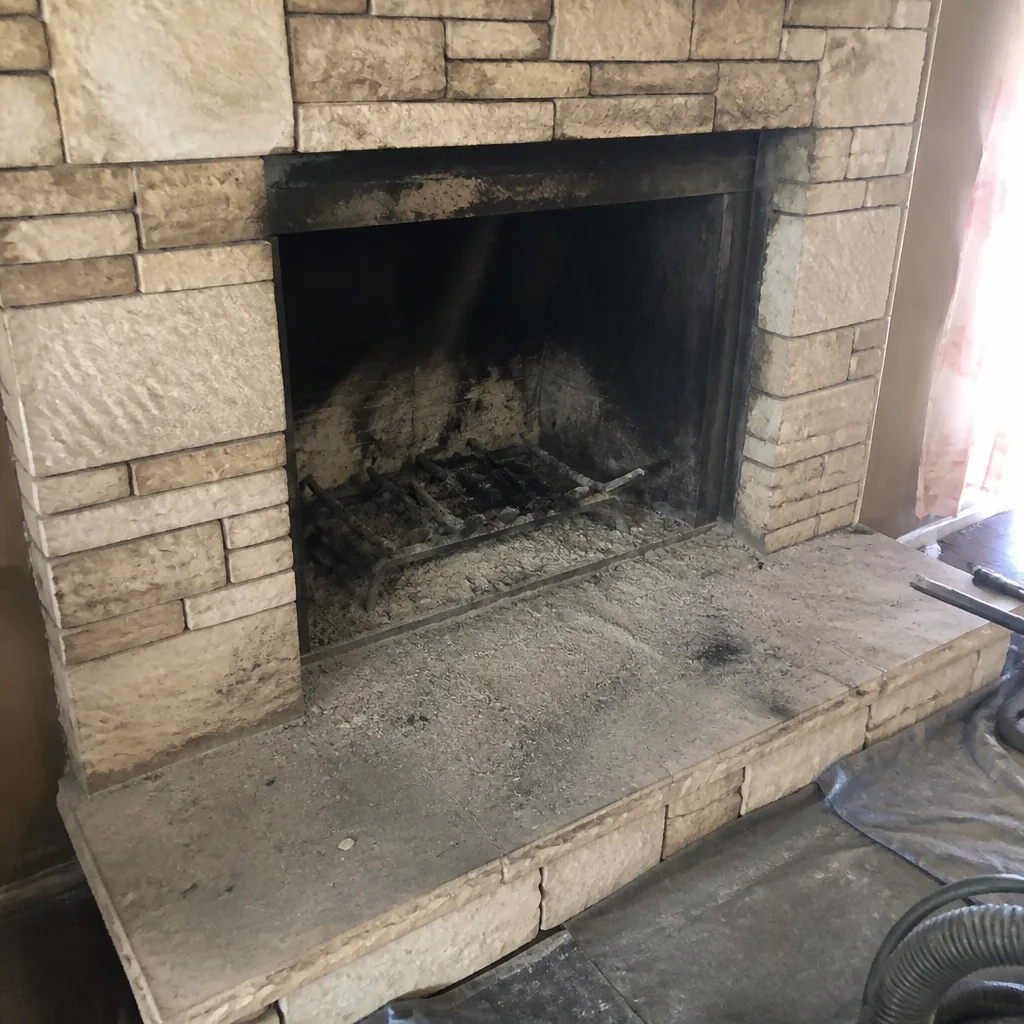 Before
 After
 Before
 After