
Last updated November 4, 2026
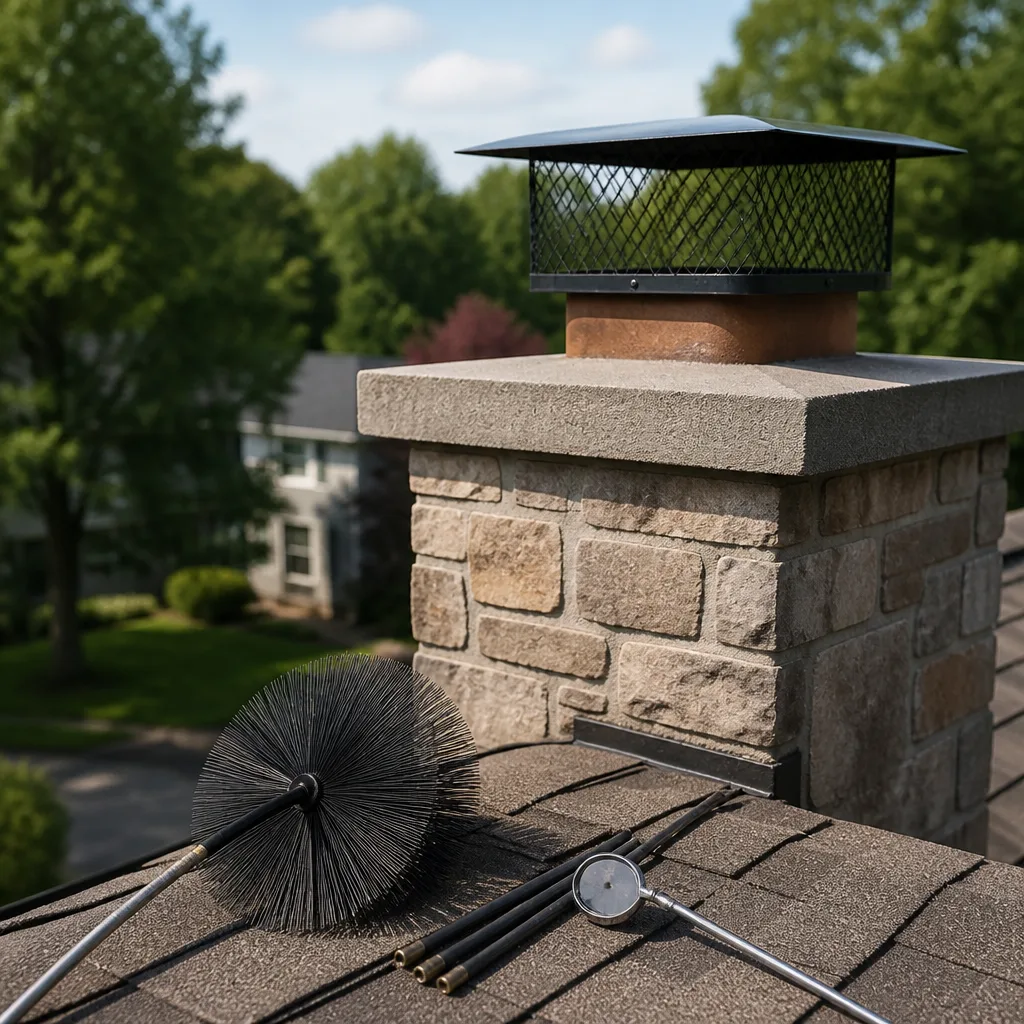 Sweep & inspection
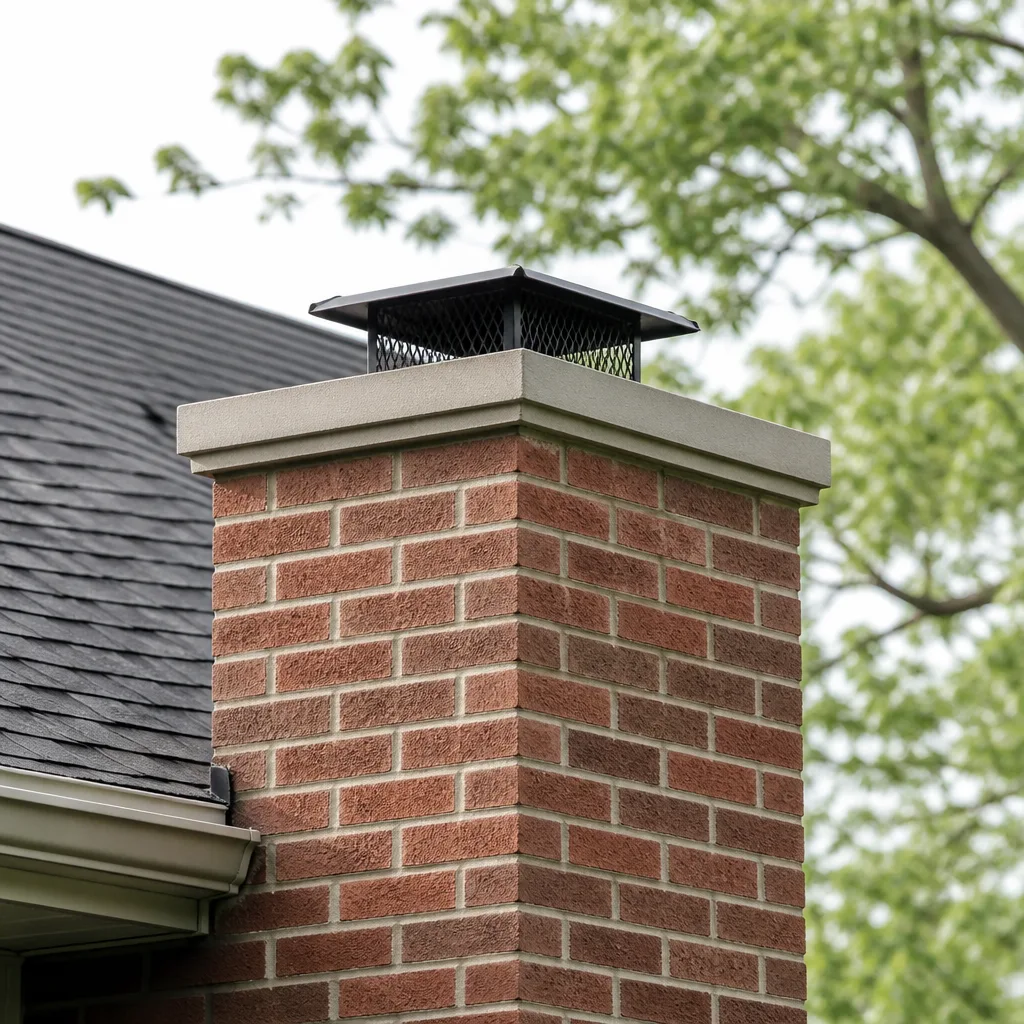 Caps & crowns
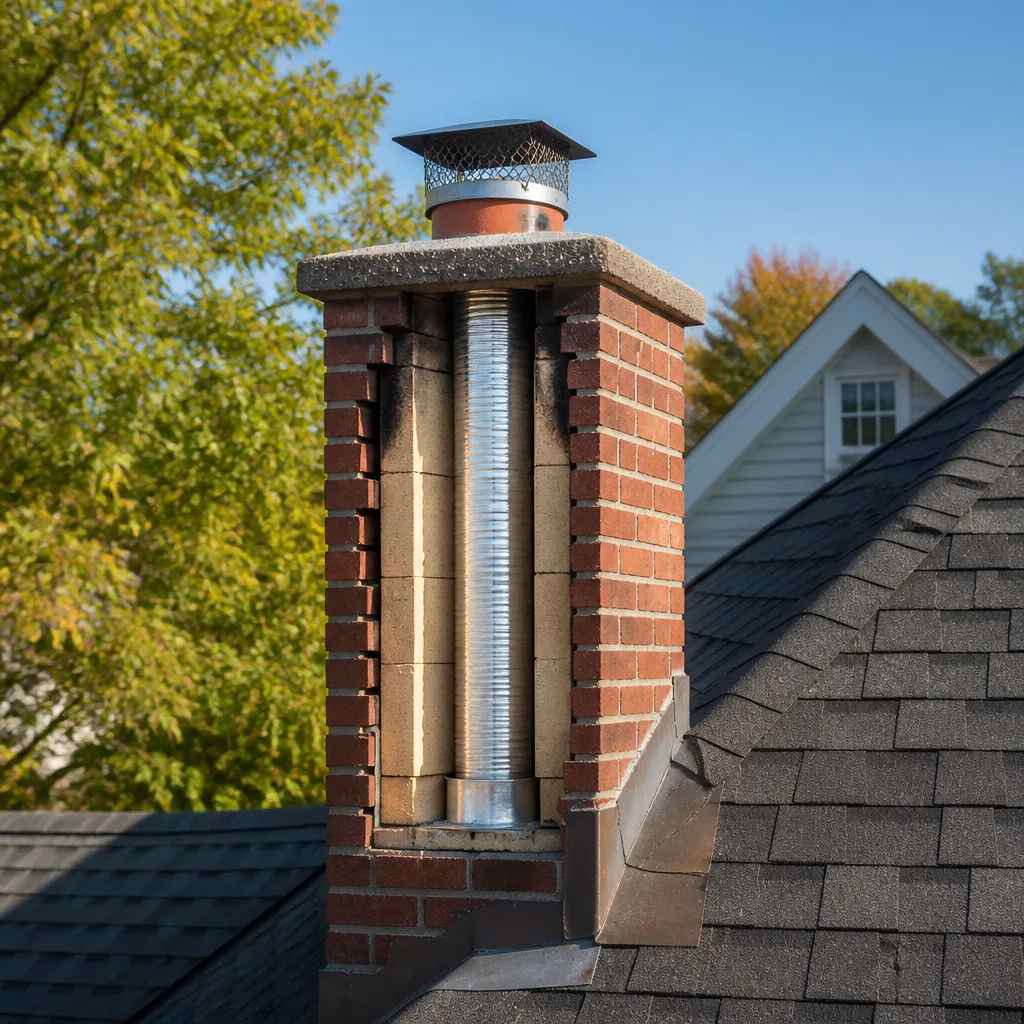 Flue relining
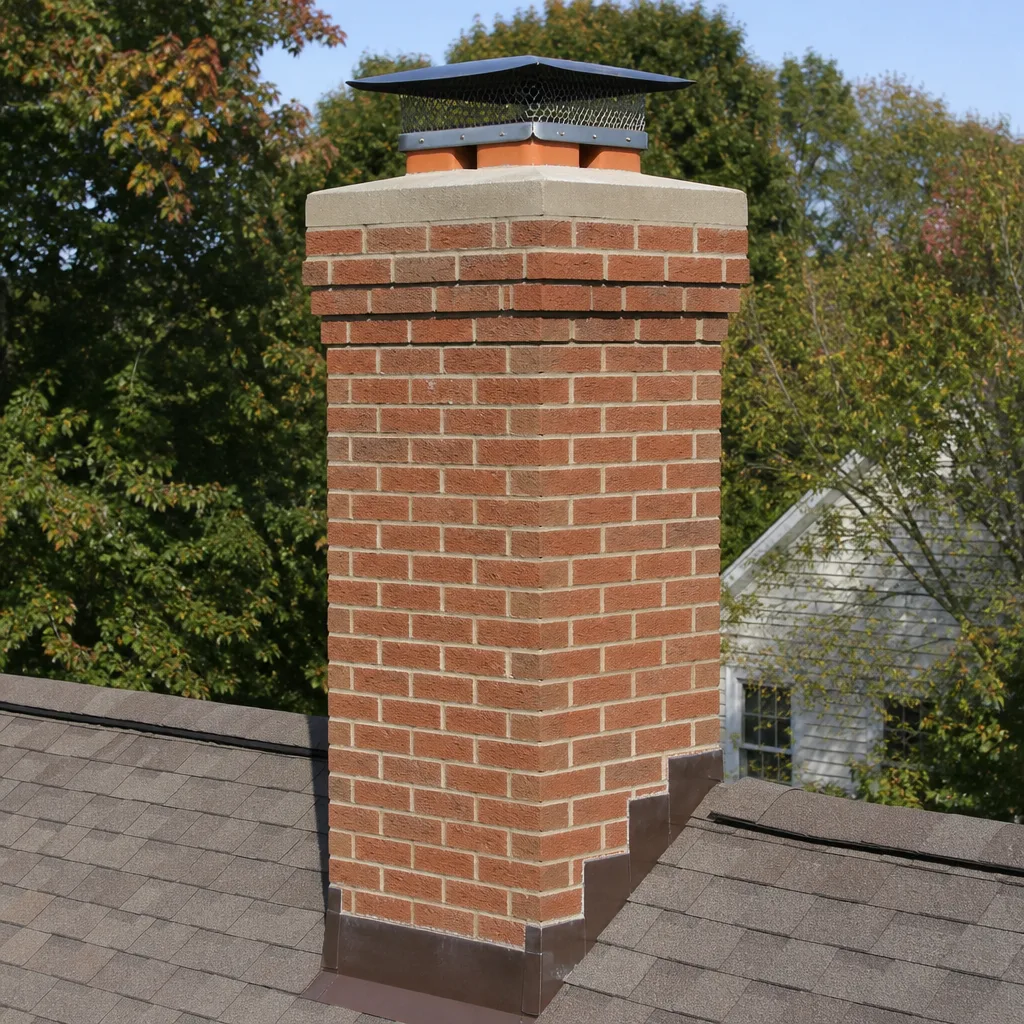 Masonry repair
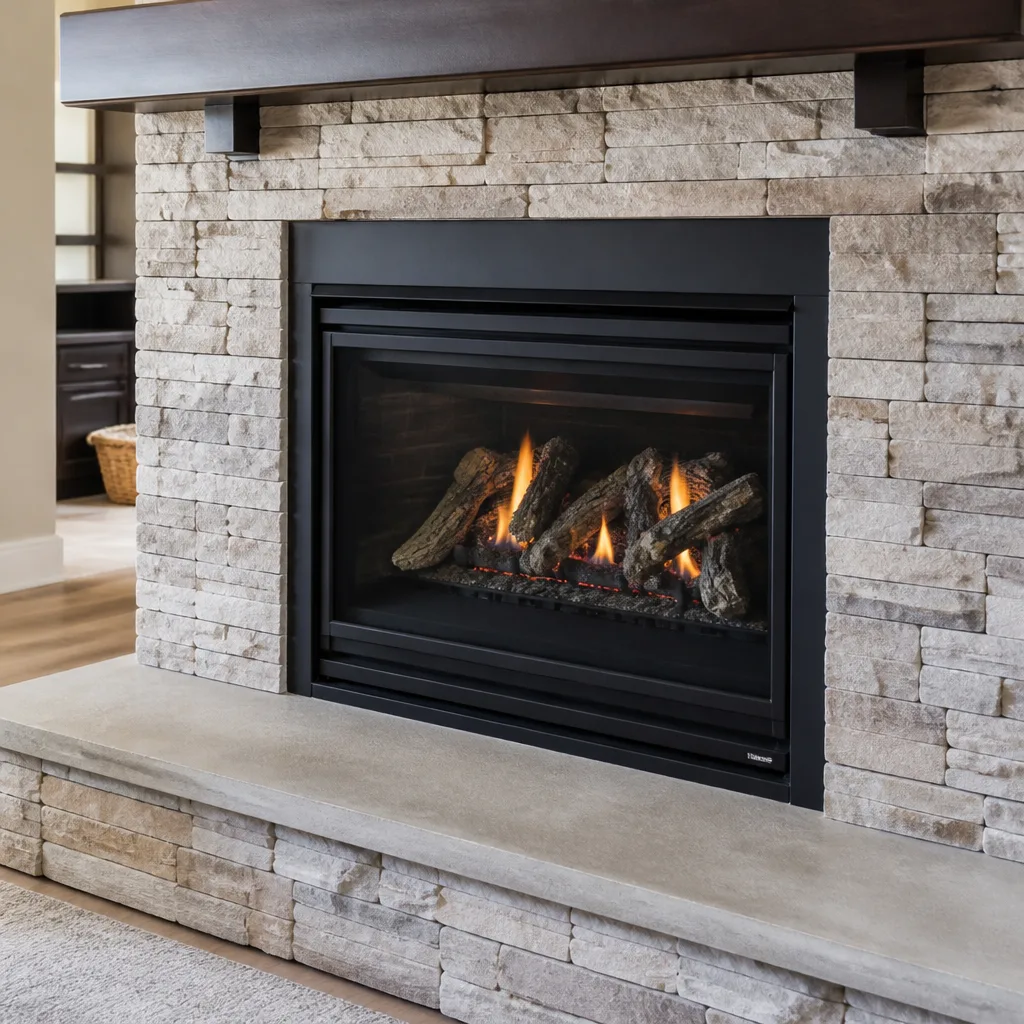 Gas fireplace service
Level 1 sweep and inspection to the NFPA 211 annual standard - flue, crown, cap, and flashing checked and photographed
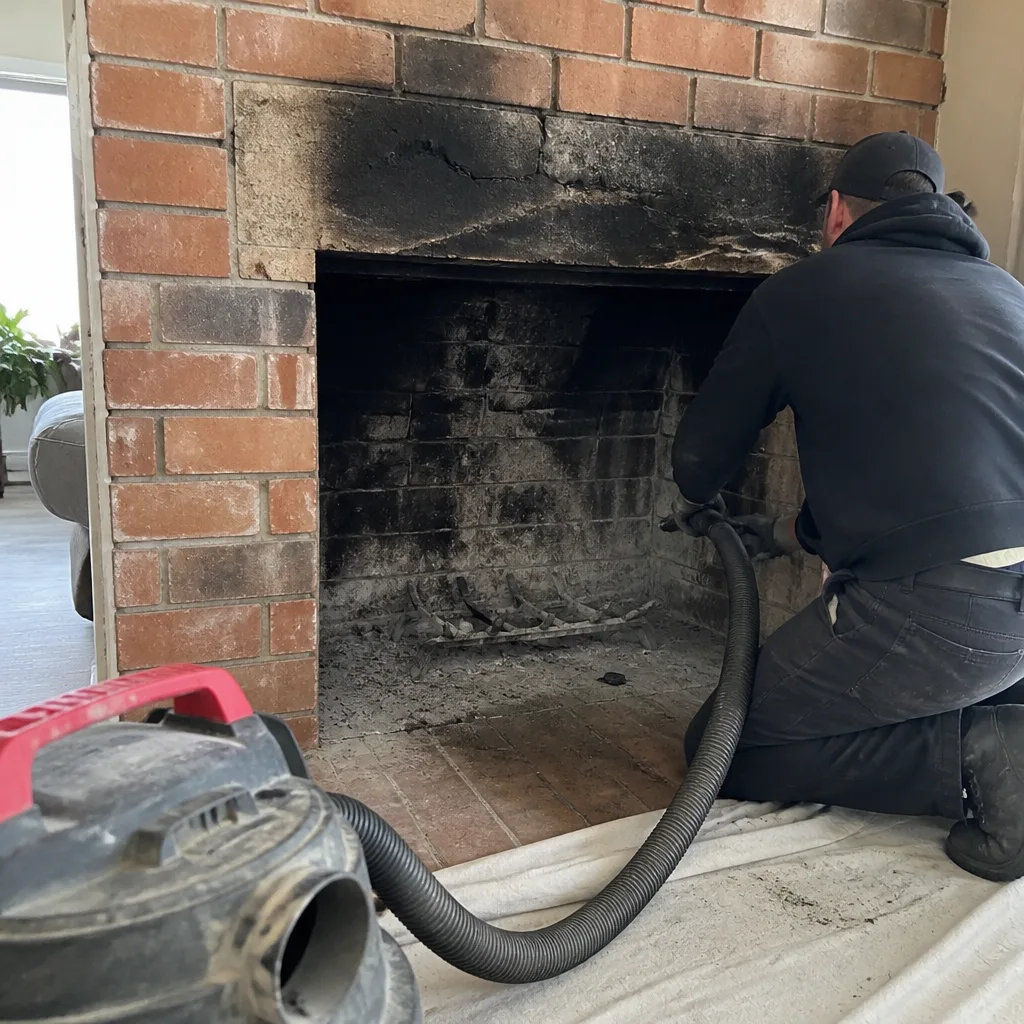
Chimney sweep logs do not sweep chimneys. They loosen some creosote - which then falls where a brush and vacuum still have to collect it.
Chimney Cleaning Permits, Codes & Inspections in Bellflower, CA: What You Need to Know
Most Bellflower homeowners assume that because a chimney sweep shows up with brushes and a vacuum, no government agency cares about the work. That assumption holds right up until the sweep finds a cracked flue liner or a rusted-out damper, and suddenly you’re talking about repair work that falls under a different set of rules entirely. The permit boundary is where surprises happen: routine cleaning sits on one side, structural or liner replacement sits on the other. This guide maps that boundary precisely, so you know before the sweep arrives what’s exempt, what triggers a permit, and how Los Angeles County and California codes apply to chimneys in Bellflower specifically.
Quick Answer
Routine chimney sweeping in Bellflower does not require a permit from the city or Los Angeles County. However, chimney repairs such as flue relining, masonry rebuilding, or replacing a firebox typically do require a building permit, and gas appliance venting through a masonry chimney must comply with California Mechanical Code Section 802. A Level 2 inspection is what most insurers and home sale inspectors will ask for if a sweep turns up anything suspicious.
Styles & brands we work with
- Sweep & inspection
- Caps & crowns
- Flue relining
- Masonry repair
- Gas fireplace service
Table of Contents
- Permit-Exempt vs. Permit-Required: Where the Line Sits in Bellflower
- California Mechanical Code Section 802 and Your Masonry Chimney
- What a Level 2 Inspection Report Means for Insurance Claims
- Rental and Airbnb Properties: Extra Inspection Obligations
- How to Pull a Permit in Bellflower vs. Unincorporated LA County
- What the Bellflower Inspection Process Actually Looks Like
- Common Mistakes to Avoid
- When to Call a Professional
- Frequently Asked Questions
Permit-Exempt vs. Permit-Required: Where the Line Sits in Bellflower
Chimney sweeping is classified as maintenance, not construction. The City of Bellflower and LA County both treat routine sweeping, flue brushing, and creosote removal as service work that does not require a building permit. The logic is straightforward: you’re not altering the structure, not changing the venting path, and not touching anything that affects fire resistance or gas exhaust.
What does trigger a permit in Bellflower is any repair that changes the chimney’s structure or venting characteristics. The practical boundaries we see:
- Permit-exempt: sweeping, creosote removal, smoke chamber cleaning, damper inspection, minor mortar touch-up that doesn’t remove bricks, cap or screen replacement, and dryer vent cleaning.
- Permit-required: flue relining with a stainless system, HeatShield resurfacing that alters the flue dimensions, firebox rebuilding, crown replacement, any masonry repair that removes more than a small section of brick, and adding a new flue for a gas appliance.
- Gray zone that usually stays exempt: replacing a damper plate when the surrounding frame stays intact, swapping a chimney cap when the flue tile is not touched, and sealing minor cracks with refractory cement as a temporary measure.
What surprises Bellflower homeowners most is the relining trigger. A stainless reline with a DuraFlex system changes the flue diameter slightly, which is exactly what building inspectors care about because it affects draft and clearance to combustibles. That work needs a permit. A HeatShield ceramic resurfacing job that’s technically a coating rather than a structural liner often falls into a reviewer’s judgment call, and the inspector may want to see the product spec sheet.
If in doubt, ask the contractor to state in writing whether the work is maintenance or alteration. A reliable chimney sweep will not guess. This distinction matters because work done without a required permit can be flagged during a home sale inspection years later, and the seller becomes responsible for verification and correction.
California Mechanical Code Section 802 and Your Masonry Chimney
California Mechanical Code Section 802 governs how gas appliances vent through chimneys, and it’s the section Bellflower inspectors reference when a homeowner installs a gas insert or converts a wood fireplace to gas. The rule’s core requirement: the chimney flue must be sized correctly for the appliance’s BTU input, and the liner material must be compatible with the exhaust’s temperature and acidity.
What this means in plain terms for a Bellflower home:
- A gas appliance vented through an unlined masonry chimney or one with a cracked clay tile liner violates Section 802 because gas exhaust creates acidic condensate that eats through mortar joints.
- The fix is typically a stainless liner sized to the appliance, which is why systems like DuraFlex are specified in so many LA County reline projects.
- The inspector will check the liner’s diameter, the connection at the appliance, and the termination height above the roof. A liner that’s too large causes condensation problems; too small chokes the draft.
- Section 802 also requires the chimney to serve only the appliance it’s sized for. You cannot safely vent a furnace and a water heater into the same flue unless the system was engineered for combined venting.
Bellflower’s housing stock includes a lot of post-war single-story homes with masonry chimneys that were built for wood and later converted for gas. That conversion is where Section 802 issues surface, because the original clay tile flue was almost never sized for a modern high-efficiency gas insert. Homeowners who skip the liner and run the gas appliance anyway often notice condensation dripping into the firebox or a persistent “rotten egg” odor from inadequate draft.
The takeaway: if you’re converting a wood fireplace to gas or installing a gas insert in Bellflower, the liner is not an upsell. It’s the part that makes the install legal under California code.
What a Level 2 Inspection Report Means for Insurance Claims
A Level 2 inspection is the camera-based examination of the entire flue interior, often performed with a video scope that documents cracks, gaps, and prior fire damage. It’s the inspection level most Bellflower homeowners encounter when a sweep finds something during routine cleaning, when a property changes hands, or when an appliance conversion is planned.
The written report matters more than the verbal summary. What we’ve learned over years of working in Bellflower is that insurance adjusters rarely accept a verbal reassurance that the chimney is “fine.” They want dated documentation. Here’s where the Level 2 report earns its cost:
- Chimney fire damage claims: if you’ve had a chimney fire and file a claim, the carrier typically requires a Level 2 inspection before paying for repairs. Photos and a liner condition assessment are the evidence they need.
- Post-repair verification: after a reline or masonry repair, many Bellflower insurers ask for a post-work inspection report confirming the flue is clear and the liner is intact. Without it, the repair may not satisfy the claim’s closing requirements.
- Home sale disputes: when a home inspector flags the chimney during escrow, the seller often commissions a Level 2 report to document either that the chimney is safe or that a specific repair is needed. The report becomes a negotiating document.
- Local enforcement context: LA County fire authorities are more likely to require documentation in hillside communities with elevated fire risk, but Bellflower homeowners in older neighborhoods routinely see insurer requests for Level 2 documentation when a wood-burning fireplace is present.
A Level 2 report from a qualified chimney sweep should include still images or video frames, a written condition summary, and a recommendation-based finding: safe to use, repair before use, or do not use. If you’re in Bellflower and your insurer asks for proof of chimney condition after a claim, this is the document they mean.
Rental and Airbnb Properties: Extra Inspection Obligations
Rental property owners in Bellflower face obligations beyond what a single-family homeowner deals with. California habitability standards require that rental units have functioning heat, and while the statute does not specifically name chimney inspections, the practical enforcement path goes through the local housing code and insurance underwriting.
For a landlord with a wood-burning or gas fireplace in Bellflower:
- Turnover inspection expectation: most professional property managers in LA County require a chimney inspection between tenants, especially if the previous tenant used the fireplace heavily. A Level 1 visual check or Level 2 camera inspection documents the condition for the next tenant’s move-in file.
- Short-term rental complications: an Airbnb or VRBO host who lists a Bellflower home with a “cozy fireplace” is making a habitability and safety representation. If a guest files a complaint about smoke backing into the room or an odor issue, the host needs documentation that the chimney was swept and inspected. Without it, platform liability claims get messy.
- Insurance underwriting: landlord policies for rental properties with fireplaces often carry a chimney maintenance endorsement requiring annual sweeping with documentation. A CPA or tax preparer is not the one enforcing this; it’s the carrier’s underwriting review at renewal.
- Carbon monoxide liability: if a gas fireplace vents through a blocked chimney and a tenant is exposed to CO, the landlord’s defense depends on showing that the chimney was inspected and maintained. Ignorance is not a defense in a habitability claim.
Airbnb hosts in Bellflower should also note that platform safety teams have become stricter about combustion appliance documentation. A fireplace listed as an amenity that has never had a documented inspection is a liability exposure, not a selling point. An annual sweep with a written report is the cheapest liability protection a short-term rental operator can buy.
How to Pull a Permit in Bellflower vs. Unincorporated LA County
The permitting process differs depending on whether your address sits inside Bellflower city limits or in an unincorporated Los Angeles County pocket nearby. Both paths are manageable, but the paperwork and review times differ.
Inside Bellflower city limits:
- Start at the City of Bellflower Building and Safety Division. Most chimney repair permits are classified as “alteration” permits under the residential building code path.
- Submit a scope-of-work description, a site plan or sketch showing the chimney location, and product specifications if the job involves a liner system. For DuraFlex or HeatShield work, the spec sheet is part of the submittal.
- Pay the permit fee, which scales with project valuation. A simple reline permit is typically in the low hundreds of dollars; a full masonry rebuild costs more.
- Schedule the rough inspection once work is underway. The inspector checks the liner installation, firebox condition, and clearances before any shrouding or finishing work covers the flue.
- Close the permit with a final inspection. Your contractor should handle scheduling; you should keep the final sign-off card for your home file.
In unincorporated LA County areas near Bellflower, the same work goes through the LA County Department of Regional Planning and the county’s Building and Safety Division. The process mirrors the city path, but county review times can run longer, and the county inspector may be stricter about documentation for liner systems because the county handles a wider range of housing stock ages and conditions.
One practical note: if your contractor says a permit takes too long or is “not how we do it,” find a different contractor. Bellflower and LA County both track unpermitted work through sale escrow reviews, and the problem compounds when a house changes hands.
What the Bellflower Inspection Process Actually Looks Like
When the building inspector arrives for a chimney permit inspection in Bellflower, the visit is focused and quick if the work was done correctly. Knowing what they check makes the process less intimidating.
For a reline job, the inspector checks:
- The liner material matches the approved submittal (stainless, aluminum, or resurfacing compound).
- The liner diameter matches the appliance vent size and has appropriate clearance from combustible framing.
- The termination cap is properly installed at the required height above the roofline.
- The connection at the appliance is secure and sealed with high-temperature sealant, not standard caulk.
- Any damper area modifications preserve the required draft and don’t block the flue.
For masonry or firebox work, the inspector checks:
- Brick and mortar work meets the minimum thickness requirements in the building code.
- The firebox dimensions maintain the required depth and hearth extension clearances.
- Any new chimney crown or cap has the proper slope and overhang to shed water away from the flue.
- Clearance from the firebox opening to combustible flooring meets the 16-inch hearth extension rule for masonry fireplaces.
Bellflower inspectors are thorough but typically move quickly when the permit was properly applied for and the contractor knows the code path. The inspection is not adversarial; it’s a verification that the work someone paid for matches the submitted scope. A good contractor walks the inspector through the work and answers questions directly.
Common Mistakes to Avoid
- Skipping the permit on a reline. A reline completed without a permit looks fine on camera, but when the house sells and the buyer’s inspector asks for the permit record, the seller is forced to retrofit the documentation or re-do the work. This is a $3,000 to $8,000 exposure for a job that would have required a few hundred dollars in permit fees.
- Treating a gas venting problem as a sweeping problem. If a gas fireplace backdrafts or emits a musty odor in Bellflower, the issue is rarely creosote. It’s usually liner sizing or condensation damage. Sweeping does not fix a Section 802 sizing violation.
- Accepting a verbal “all clear” without a written report. Insurance carriers and home inspectors will not accept a contractor’s spoken reassurance. If the document does not exist, the maintenance did not happen for claims purposes.
- Ignoring the dryer vent in the same house. Bellflower homeowners focus on the fireplace and forget that a clogged dryer vent cleaning is a more frequent cause of household fires than an unswept chimney. Both systems should be on the same maintenance calendar.
- Waiting until escrow to address a flagged chimney. Once a home inspector flags a chimney issue, the seller has lost negotiation leverage and time. A pre-listing chimney inspection costs a few hundred dollars and keeps the seller ahead of the conversation.
- Hiring by price for repair work. A sweep that was $129 might be followed by a reline quote that’s dramatically under-market because the contractor is not pulling a permit. The low bid is low because it omits a legal requirement.
When to Call a Professional
If you have a visual crack in your flue tile, a gas appliance that drafts poorly, or a home sale inspection that flagged the chimney, call a specialist who knows the Bellflower and LA County permit landscape. These are not DIY fixes, and the cost of getting the code path wrong exceeds the cost of doing it correctly. If your chimney has not been swept in two or more burning seasons, or if you just bought a Bellflower home and have no idea when the fireplace was last maintained, start with a sweep and Level 1 inspection, then follow the report’s recommendation. Chimney Sweep Bellflower offers free estimates in Bellflower. Call (866) 632-0270 and we’ll tell you exactly where your chimney sits relative to the permit line before any work is quoted.
Frequently Asked Questions
No. Routine chimney sweeping and creosote removal are maintenance activities that do not require a permit from the City of Bellflower or Los Angeles County. A permit only enters the conversation if the sweep finds damage requiring structural repair, relining, or firebox work. Call (866) 632-0270 for an exact assessment, and we’ll tell you if the work you need falls on the permit side of the line.
Flue relining, firebox rebuilding, chimney crown replacement, and any masonry repair that removes significant brick typically require a building permit. Minor mortar touch-up, cap replacement, and damper plate swaps usually stay exempt. When in doubt, ask your contractor to document the classification in writing before work begins.
Section 802 requires that any gas appliance vented through a masonry chimney use a correctly sized liner compatible with the appliance’s exhaust. For most Bellflower homes with converted wood-to-gas fireplaces or gas inserts, this means installing a stainless liner sized to the appliance’s BTU input. Call (866) 632-0270 if you need clarification on whether your current setup complies.
The National Fire Protection Association recommends a chimney inspection at least once a year, with sweeping as needed based on the inspection findings. A wood-burning fireplace used regularly in Bellflower typically needs sweeping after every cord or two of wood burned, while a gas fireplace may only need annual inspection. Ask for the written report each time; it’s the document insurers and future buyers will want.
Yes, because it involves camera equipment and produces a written, photo-documented report. The cost is set per job by the written estimate, and our estimates are free. For a home sale, insurance claim, or rental property turnover, the Level 2 report is usually worth the addition because it creates the paper trail that verbal summaries can’t.
If work that required a permit was completed without one, the issue typically surfaces during a home sale when the buyer’s inspector or the title review asks for permit records. You may be required to verify the work retroactively, and if it does not meet current code, you could bear the correction cost. The safer route is always to pull the permit before the work begins. Call (866) 632-0270 and we’ll help you figure out which side of the line your project falls on.
The Bottom Line
Chimney cleaning in Bellflower is permit-exempt, but the repairs that follow often are not. The boundary sits where maintenance ends and structural alteration begins: sweeping, damper swaps, and cap changes stay informal; relining, firebox work, and masonry rebuilds enter the permit system. California Mechanical Code Section 802 adds a layer for gas appliances vented through masonry chimneys, and a Level 2 inspection is the document that satisfies insurers, home sale inspectors, and rental property safety reviews. When in doubt, get the classification in writing before work begins. Chimney Sweep Bellflower has served the Bellflower area since 2017, working with professional-grade systems including HeatShield, Gelco, and Olympia Chimney materials, so repairs are done to code the first time.
Written by the team at Chimney Sweep Bellflower, serving Bellflower since 2017.
See the difference
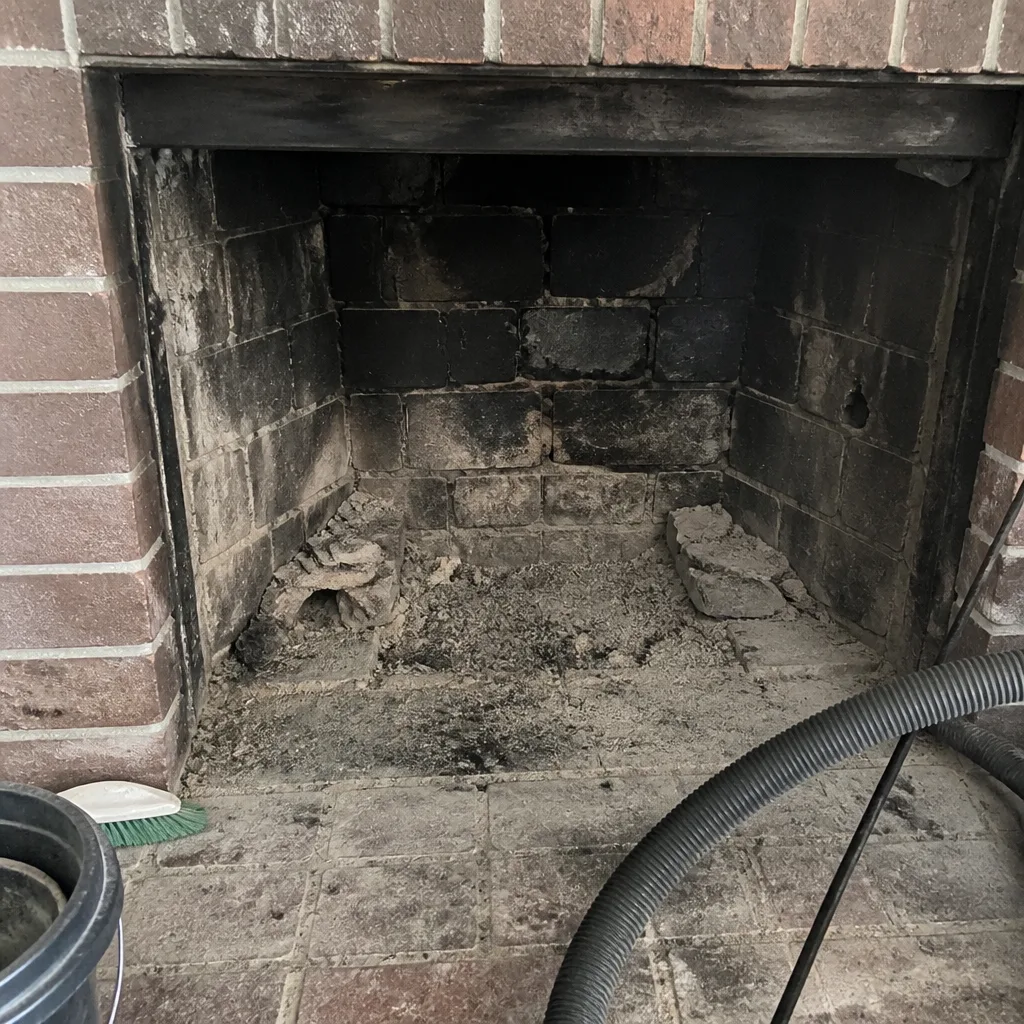 Before
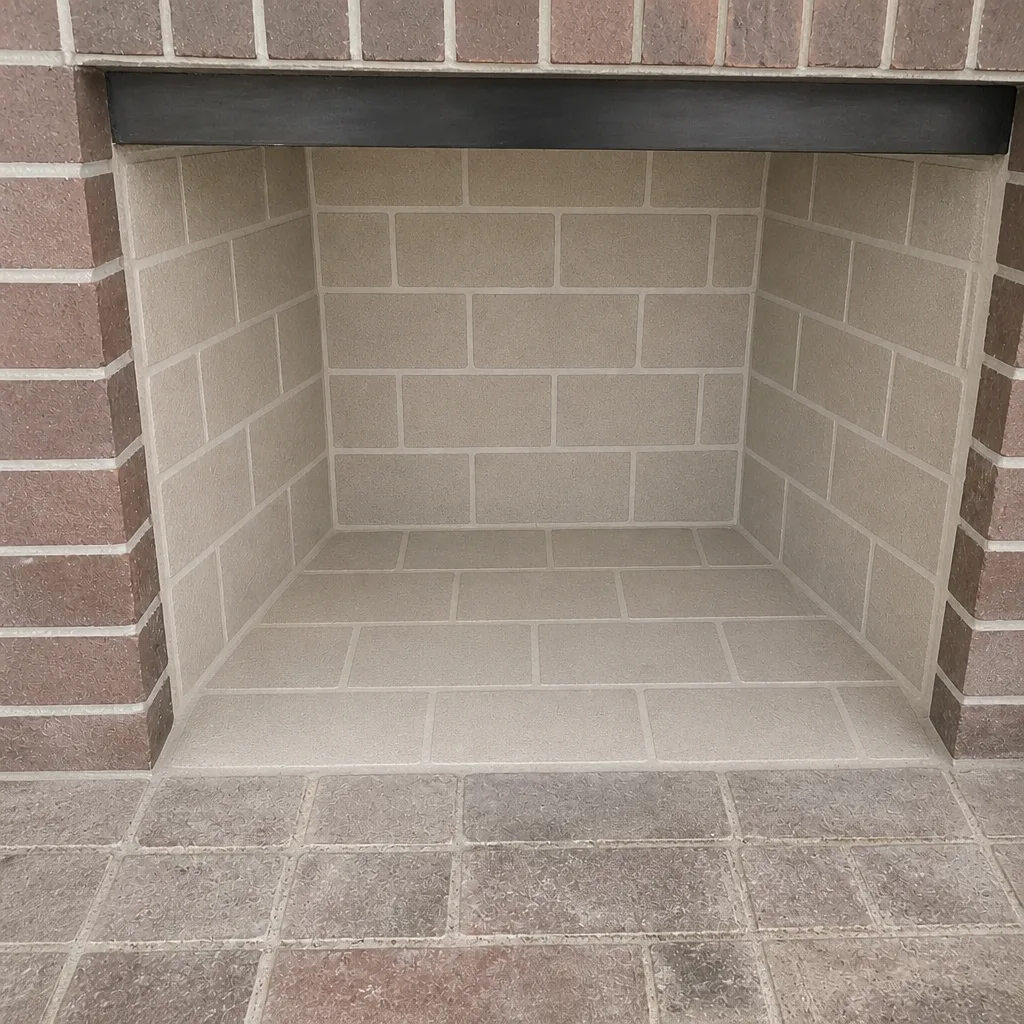 After
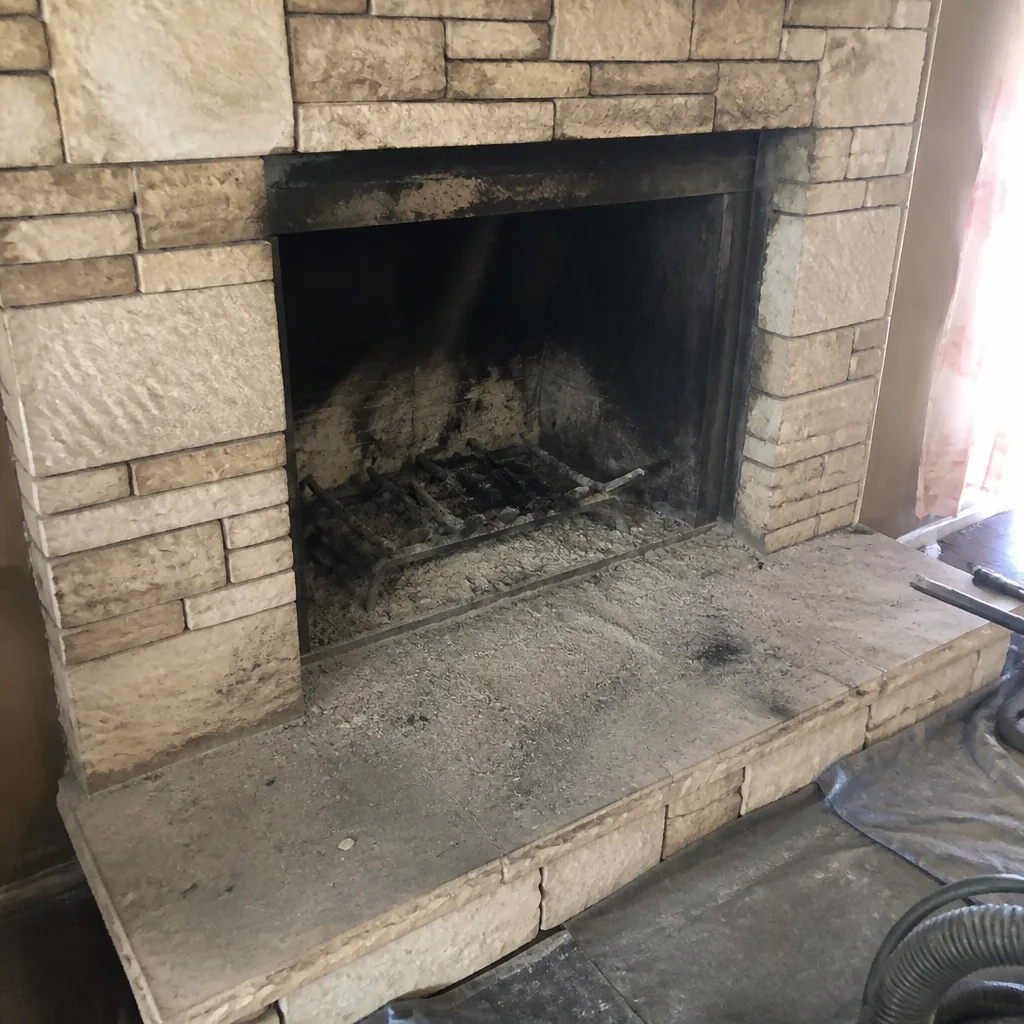 Before
 After
 Before
 After