
Last updated November 4, 2026
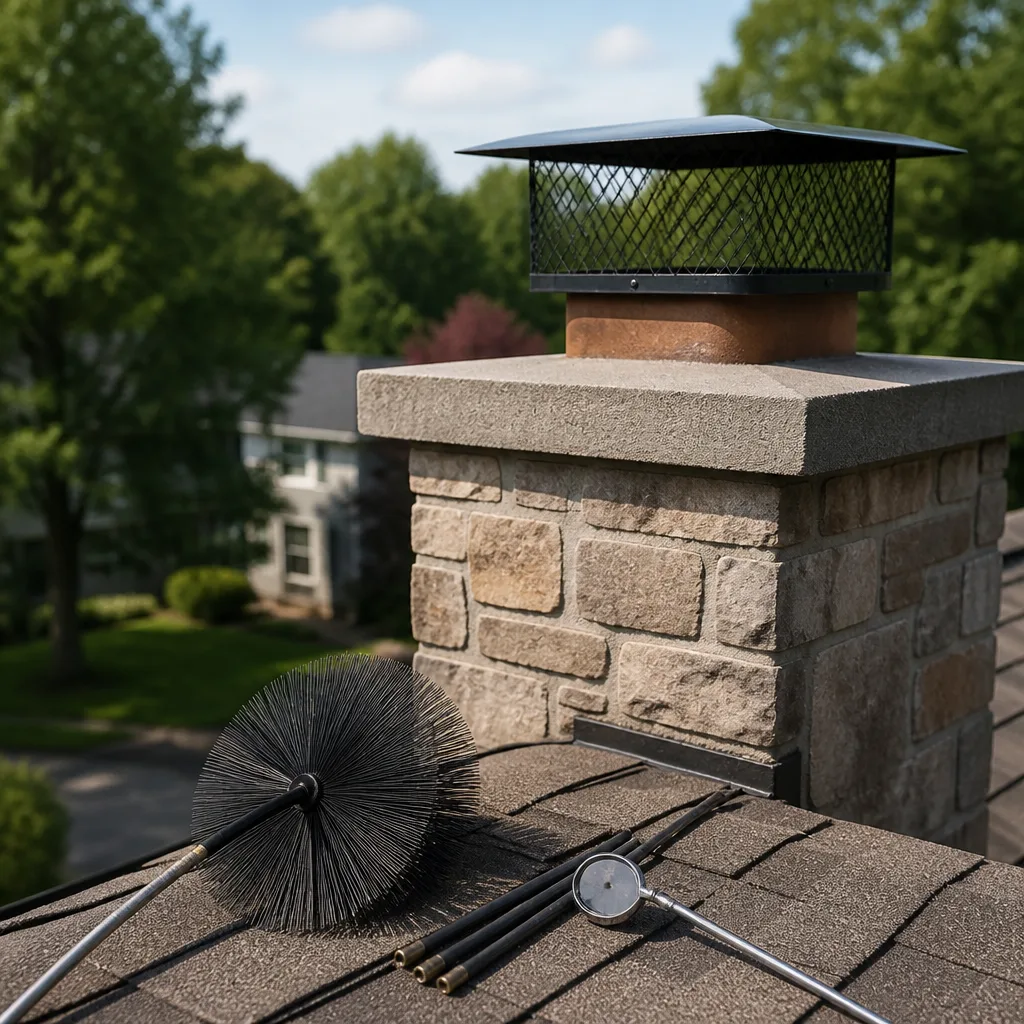 Sweep & inspection
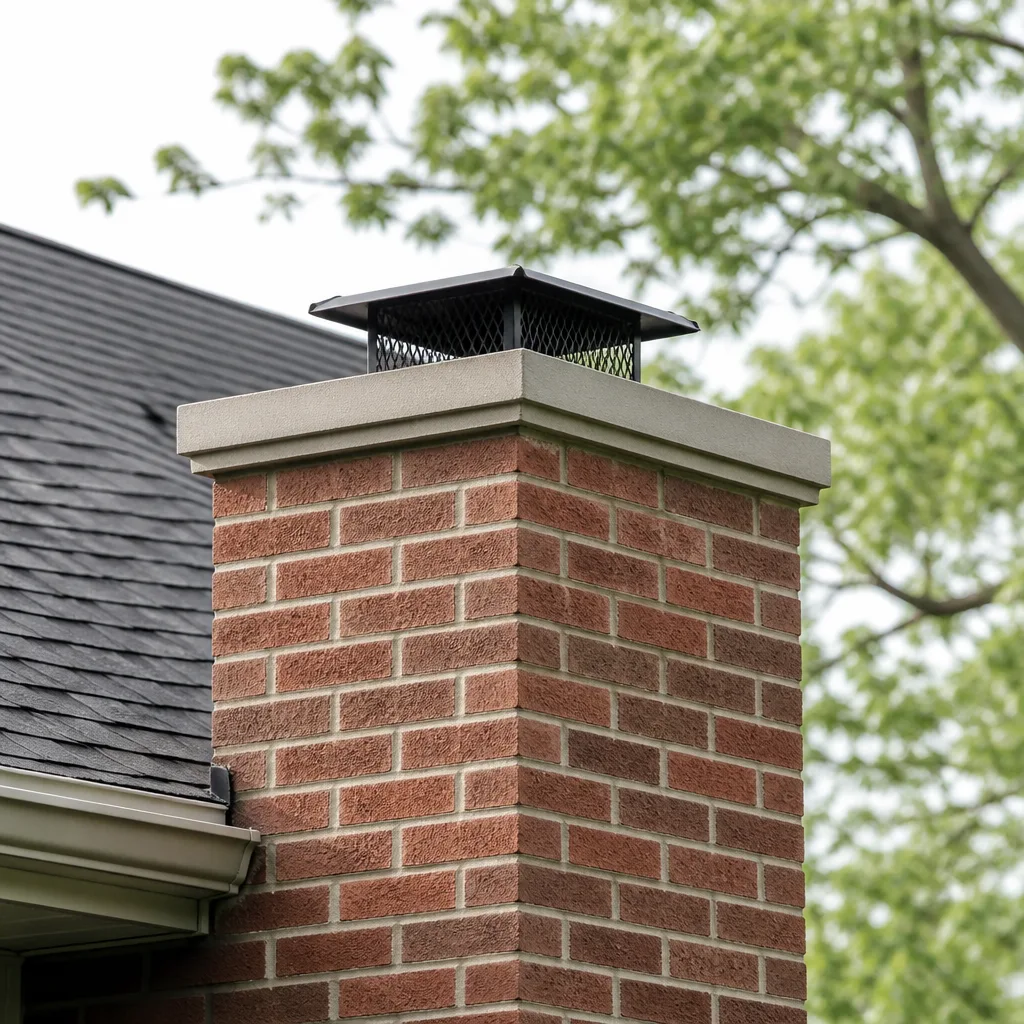 Caps & crowns
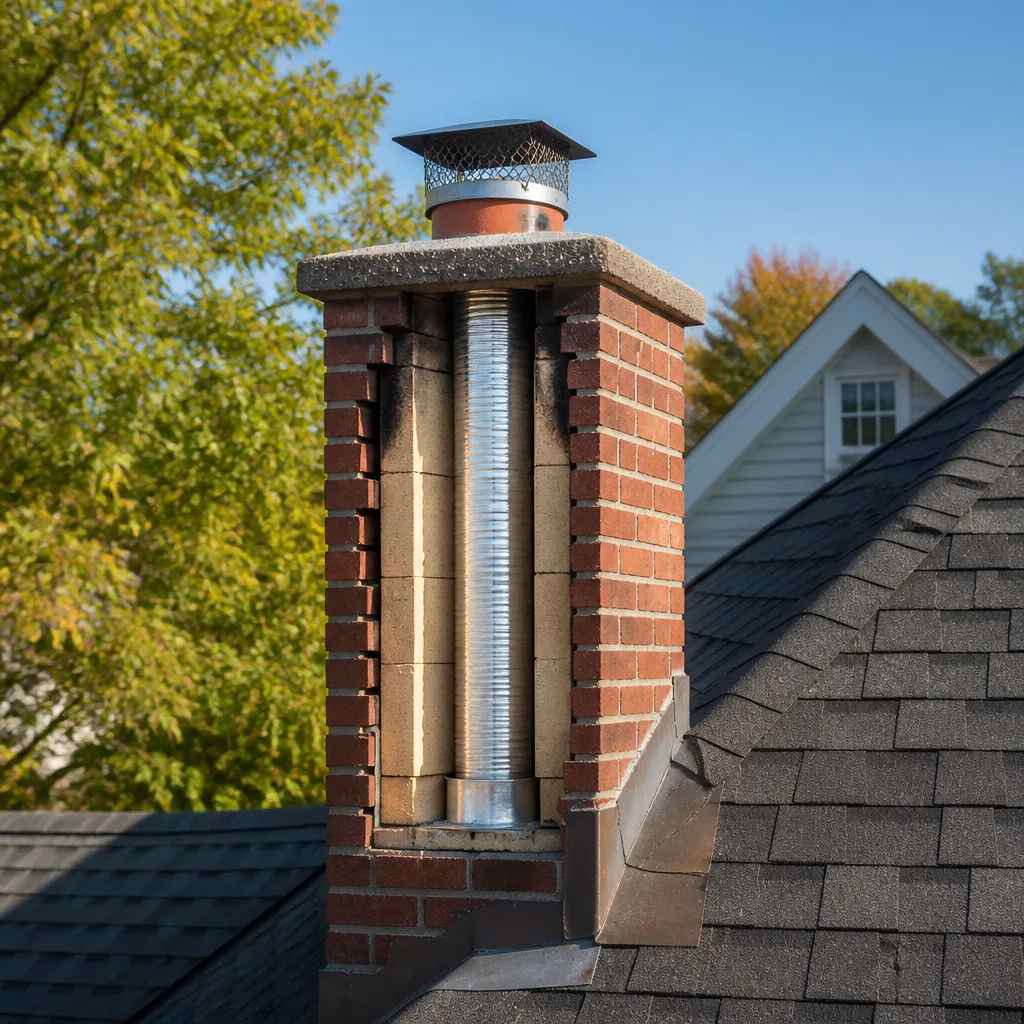 Flue relining
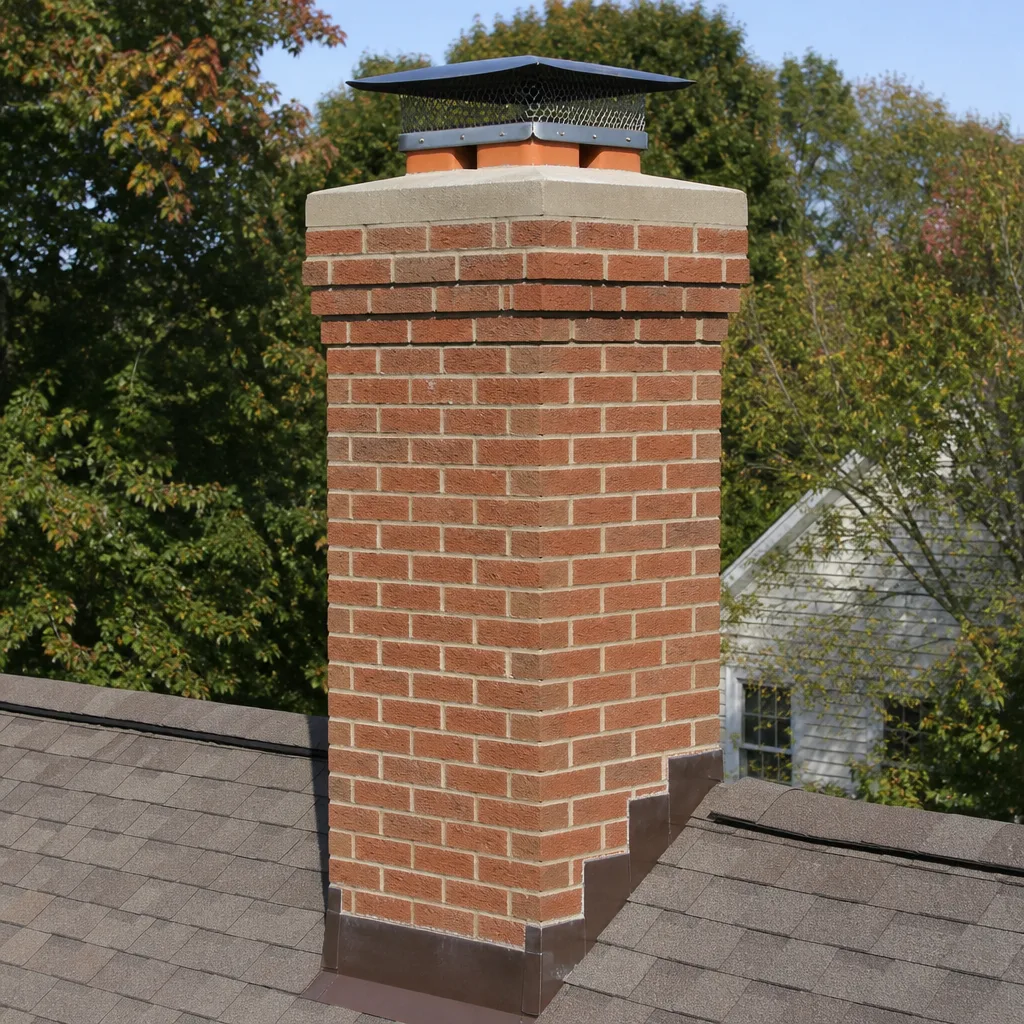 Masonry repair
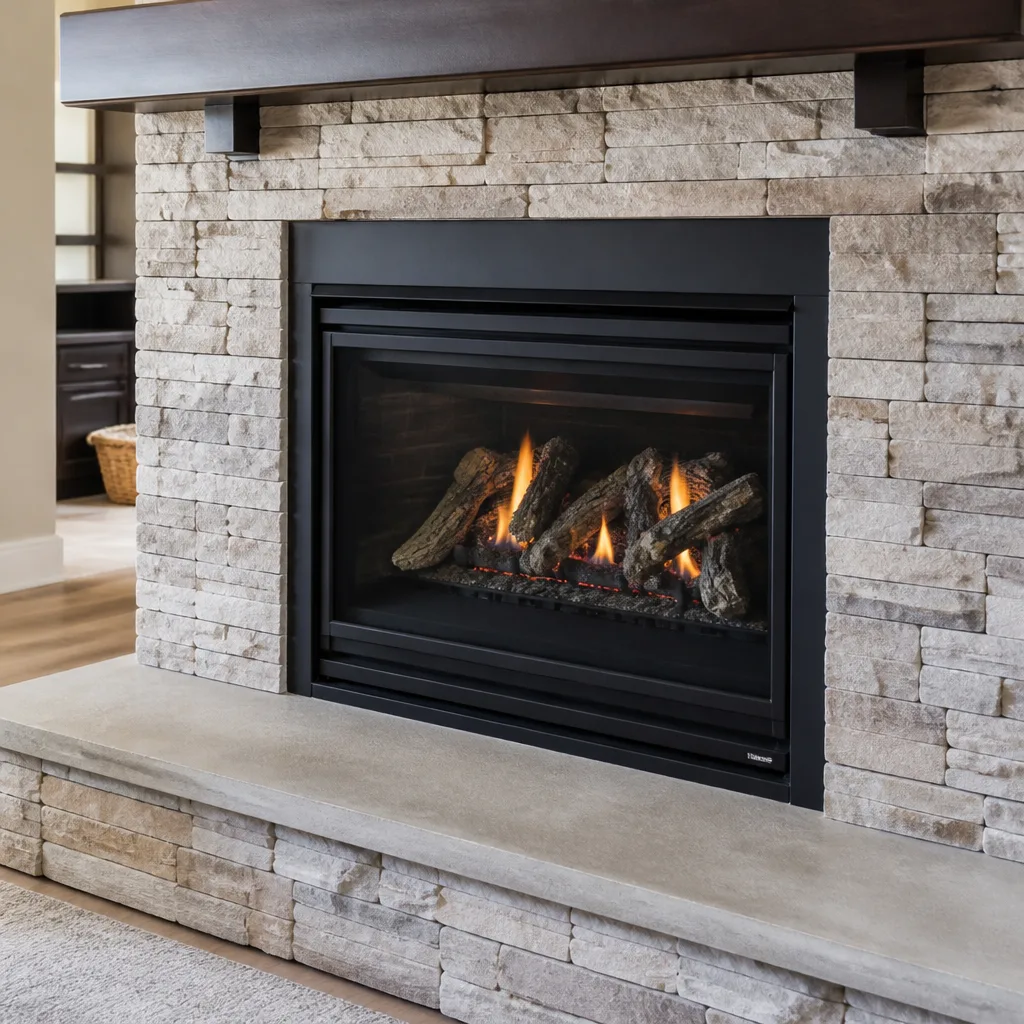 Gas fireplace service
Level 1 sweep and inspection to the NFPA 211 annual standard - flue, crown, cap, and flashing checked and photographed
Chimney sweep logs do not sweep chimneys. They loosen some creosote - which then falls where a brush and vacuum still have to collect it.
Chimney Cleaning Warning Signs: A Bellflower Homeowner’s Reference Guide
Most homeowners in Bellflower don’t realize that a properly functioning fireplace is nearly silent and nearly odorless. The faint smell of smoke that lingers after a fire, the occasional pop you hear from the hearth, the dark streaks on the brick – these get written off as normal fireplace behavior. They aren’t. Each one is a message from your chimney, and learning to read those messages is the difference between a routine sweep and a chimney fire or carbon monoxide event. This guide walks through the specific warning signs that matter: what you’ll smell, see, hear, and feel, what each sign actually means, and how urgently you need to act. We’ve organized it the way we explain it to homeowners on the phone, because if you know what normal looks like, the abnormal becomes obvious.
Quick Answer
The most serious chimney warning signs are a campfire smell when the fireplace isn’t in use, glazed black deposits inside the firebox, and popping or rumbling sounds during a burn. These three mean stop using the fireplace and schedule an inspection. Dry gray soot, minor efflorescence on exterior brick, and a faint wood smell right after a fire are lower urgency and can typically wait for a scheduled cleaning. Any smell of gas from a gas fireplace means shut it off and call immediately.
Styles & brands we work with
- Sweep & inspection
- Caps & crowns
- Flue relining
- Masonry repair
- Gas fireplace service
Table of Contents
- The Smell Index: What Your Nose Is Telling You
- Visual Tells on the Firebox Interior
- Exterior Signs on Bellflower’s Stucco and Brick
- Audible Clues: Popping, Downdrafts, and Scratching
- The Three Signs That Mean Stop Using the Fireplace Today
- Warning Signs Your Dryer Vent Needs Cleaning
- Gas Fireplace Warning Signs
- Common Mistakes to Avoid
- When to Call a Professional
- Frequently Asked Questions
The Smell Index: What Your Nose Is Telling You
A fireplace that’s working correctly doesn’t send smells into your living room. When you do catch an odor, it falls into one of three categories, and each points to a different problem. Learning to distinguish them is the single most useful diagnostic skill a Bellflower homeowner can develop, because the smell usually arrives weeks or months before any visible damage shows up.
The campfire smell when there’s no fire
This is the one we hear about most often, and it’s the one homeowners most often dismiss. A campfire smell in the living room when the fireplace has been cold for days is not nostalgia. It’s a draft reversal event. What’s happening is that air is moving down the chimney instead of up, carrying creosote odor and combustion residue into your home. This happens most often in Bellflower homes during temperature inversions or when exhaust fans in kitchens and bathrooms create negative air pressure that pulls air down the flue.
The underlying causes vary. Sometimes the damper isn’t seating correctly. Sometimes there’s enough creosote buildup that air moving across it picks up the odor and deposits it inside. Sometimes the chimney cap is damaged and wind patterns are doing odd things at the roofline. None of these are things you should ignore. The smell itself isn’t dangerous, but the reversal that causes it means the chimney’s draft is compromised, and a compromised draft is how carbon monoxide ends up indoors. A chimney sweep can diagnose the specific cause in a single visit.
The dead animal smell
This is the one we wish every Bellflower homeowner recognized immediately. If you catch an odor that smells like rot, like something organic decaying, it almost certainly is. Birds, squirrels, and rats find their way into uncapped or poorly capped chimneys with surprising regularity. When an animal dies inside the flue or the smoke chamber, the smell can permeate the entire house, and it only gets worse as the days pass.
This is also a fire hazard. Nesting material left behind by an animal, combined with the animal itself, creates an obstruction that can ignite when you light a fire. Even before that, the obstruction restricts draft and can push carbon monoxide back into the home. If you smell something dead, don’t light a fire and don’t wait. Call for an inspection. The animal needs to be removed and the entry point identified, because if one animal got in, another will follow unless the cap gets fixed.
The musty, wet masonry smell
The third smell on the index is the subtlest: a dank, earthy odor that gets stronger when the house heats up. That’s water in the masonry. Chimneys in Bellflower absorb moisture through cracked crowns, failed mortar joints, or damaged flashing, and that moisture doesn’t just sit on the surface. It seeps into the brick and mortar, and when your furnace runs or the sun hits the chimney, the warmth pulls the smell indoors.
Water-damaged masonry is progressive. Minor water intrusion today becomes spalling brick, compromised mortar, and potential structural issues in a few years. The smell is your earliest warning. If you catch a musty odor that you can’t trace to a bathroom or basement wall, check the chimney. Catching water intrusion early usually means tuckpointing and a crown repair. Catching it late often means rebuilding.
Visual Tells on the Firebox Interior
You don’t need to climb on the roof to read your chimney. Most of the critical information is visible right inside the firebox, and learning what to look for takes two minutes. Here’s how to read what you’re seeing, and what each visual clue means for how the chimney should be cleaned.
Glazed black deposits: the urgent finding
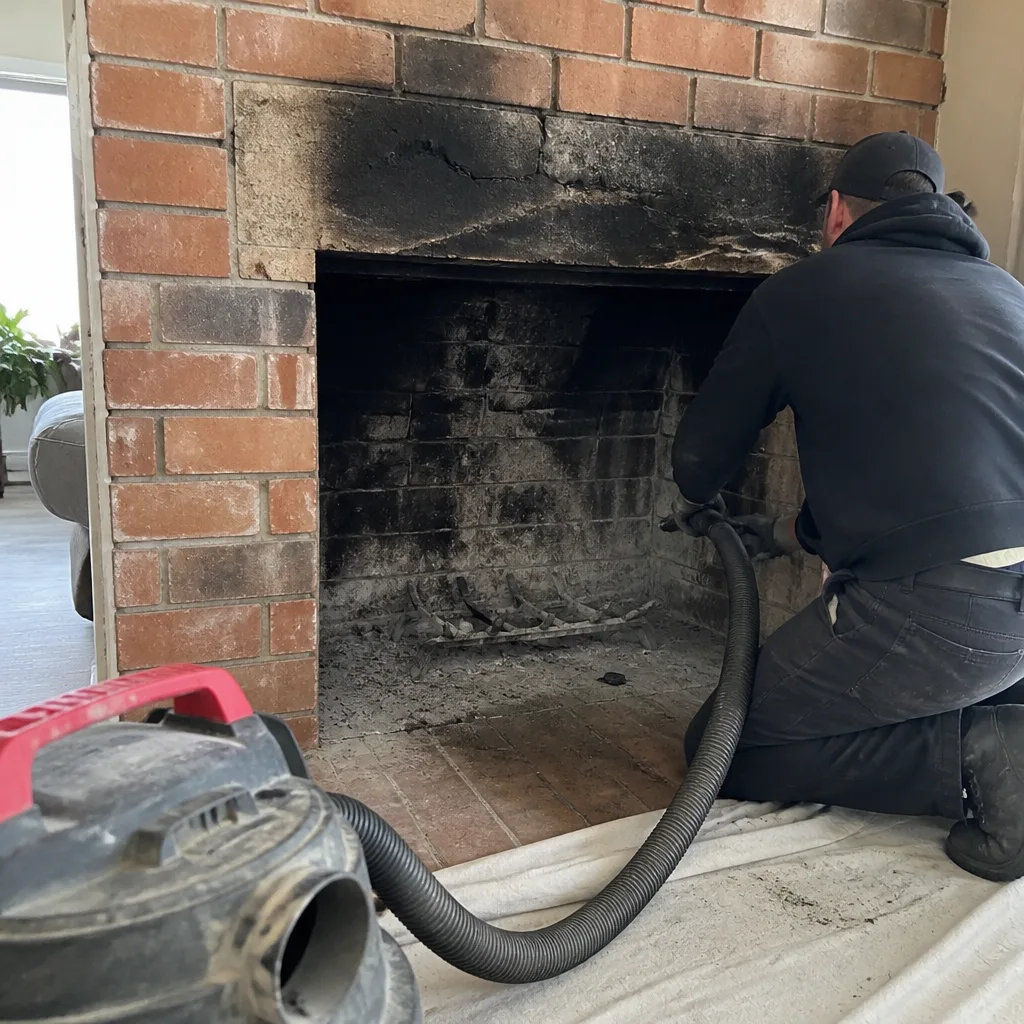
After burning wood for a while, you’ll notice deposits forming on the firebox walls and the damper. Gray or brownish soot is normal and expected. What’s not normal is a shiny, glassy black coating that looks almost like tar or paint. That is glazed creosote, and it’s a different animal entirely.
Glazed creosote forms when creosote builds up, gets hot, and then cools rapidly, creating a hardened coating that’s resistant to standard brushing. It’s also highly combustible. A hot fire can ignite glazed creosote at temperatures far lower than you’d expect, and once it catches, it burns intensely and spreads quickly. This is the leading cause of chimney fires.
If you see glazed black deposits, the cleaning method changes. Standard brushing won’t remove it. It requires specialized rotary cleaning tools or, in advanced cases, a chemical treatment applied over time to break down the glaze. This is not a surface-level problem. If you’re seeing this in your firebox, schedule an inspection before building another fire. Our technicians work with professional-grade materials for restoration, including HeatShield resurfacing when glazed creosote has compromised the flue liner itself.
Dry gray soot: the routine finding
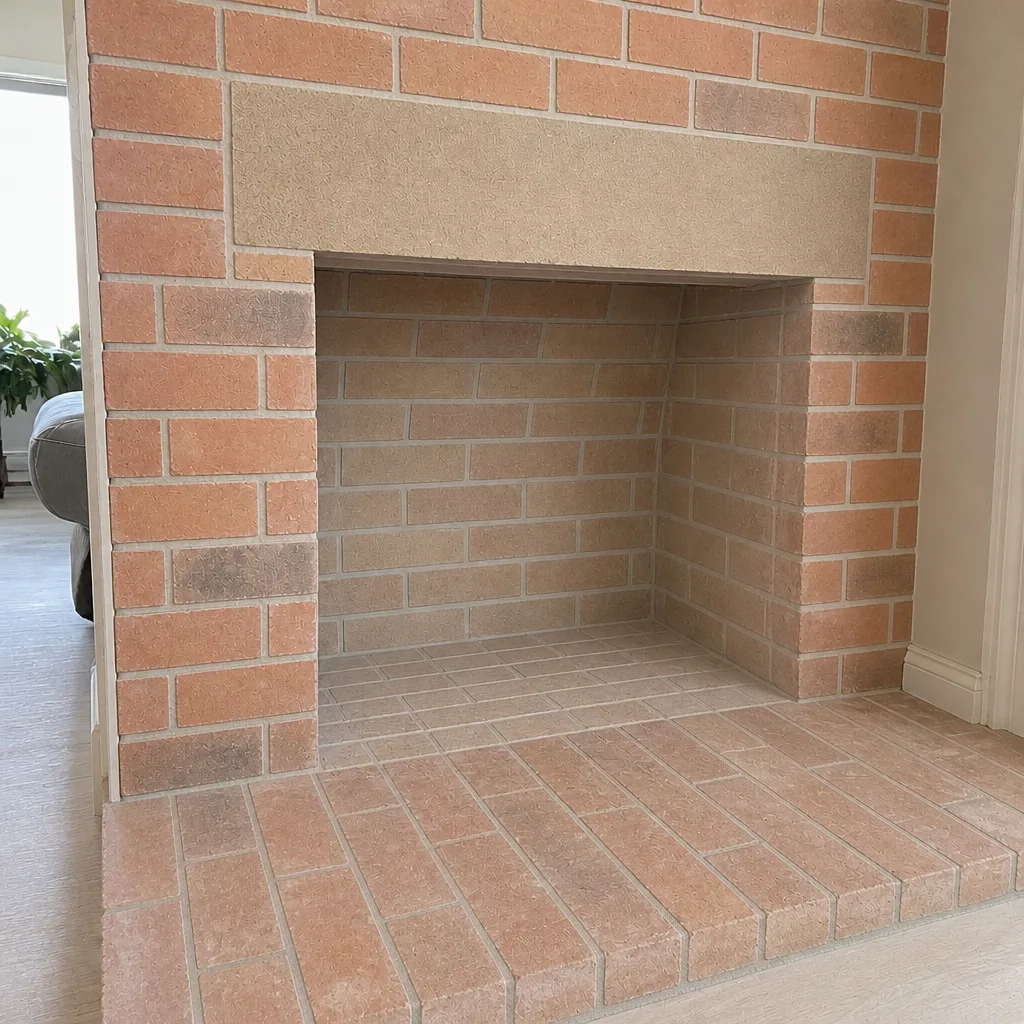
Dry, powdery gray or light brown soot is what your chimney should look like after a season of regular use. It’s not zero risk – it’s still combustible – but it’s in the category of routine maintenance rather than emergency. Standard sweeping removes dry soot easily, and most Bellflower homes with moderate fireplace use need this once a year.
The key distinction is texture. Rub a fingertip against the deposit. If it smears and feels sticky or greasy, that’s not dry soot. That’s early-stage creosote that hasn’t glazed yet, and it’s a heads-up that your fires are burning too cool or your wood isn’t seasoned. If it crumbles and feels like dust, you’re looking at normal buildup. A standard Chimney Sweep Bellflower cleaning handles it without complication.
Puffy white deposits or flaking bricks
Inside the firebox, look at the firebrick. Puffy, crusty white deposits on the brick surface mean the brick has absorbed moisture that’s now evaporating and pulling minerals to the surface. Flaking brick faces, where thin layers of brick are peeling off, mean the damage has progressed further. Both are signs of water intrusion, usually from above – a failed cap, a deteriorated crown, or damaged flashing where the chimney meets the roof.
Water-damaged firebrick needs to be replaced, and the source of the water needs to be found and fixed. Replacing brick without fixing the water source means you’ll be doing it again in two years. We always trace the water first.
Exterior Signs on Bellflower’s Stucco and Brick
Bellflower’s housing stock is heavily stucco with brick chimney chase details, and that combination shows water damage in predictable ways. Walking around your house once a season with these three signs in mind is the cheapest inspection you’ll ever perform.
Rust streaks
Rust-colored vertical streaks running down from the chimney cap, the flashing line, or the mortar joints mean metal is corroding somewhere in the chimney assembly. It’s usually the cap, the flue liner if it’s metal, or the flashing itself. Bellflower’s mild winters don’t cause extreme thermal cycling, but rain and humidity do their work anyway.
Rust streaks are an early warning, not an emergency. But they’re a warning with a clock on it. The metal that’s rusting is doing a job – keeping water out or channeling smoke up – and when it fails, the damage accelerates. If you see rust streaks, budget for an inspection within the season. Replacing a cap or re-flashing a chimney is a small job compared to what happens if that metal fails completely.
White efflorescence
Efflorescence looks like white, chalky powder blooming on the face of the brick or stucco. It’s mineral salts that water has dissolved out of the mortar and deposited on the surface as the water evaporates. The first time you see it, don’t panic. A light dusting of efflorescence that appears after rain and brushes off easily is common and usually harmless.
What’s not harmless is efflorescence that recurs in the same spot, thickens over time, or appears alongside cracked mortar. That means water is traveling through the masonry on a regular basis, and the deposits are evidence of ongoing moisture migration. On a stucco chimney, also look for hairline cracks that stay damp or darken after rain. These are the water’s entry points. On brick, check the mortar joints. Bellflower’s stucco-and-brick construction is durable, but mortar doesn’t last forever, and failed joints are how water finds its way in. Early tuckpointing fixes this for decades. Ignored, the same issue leads to spalling, which is next.
Spalling brick patterns
Spalling is the term for brick faces that have popped off, leaving jagged, chipped surfaces behind. It happens when water inside the brick freezes and thaws – though in Bellflower’s mild climate it’s more often from mineral crystallization and thermal expansion – or when the brick has absorbed so much water that the surface layer loses its bond. The pattern is distinctive: one or two bricks chipped, then a cluster, then a section that looks like it’s shedding its outer skin.
Spalling is structural. The brick isn’t intact anymore, and it can’t be restored. Spalled bricks need replacement, and in advanced cases, entire sections of the chimney need rebuilding. If you’re seeing spalling, even just a few bricks, call a chimney sweep who also does repair work. This is where the full-service distinction matters: a sweep-only company will tell you to call a mason. We’ll assess the chimney and repair the masonry, the cap, and the liner in the same job, so the fix is complete rather than piecemeal.
Audible Clues: Popping, Downdrafts, and Scratching
Your ears are the third sensor in the chimney warning system, and the sounds a chimney makes are surprisingly specific. Here’s what the common noises mean.
Popping during a burn
A healthy wood fire makes soft popping sounds as wood splits and moisture pockets expand. That’s normal. What isn’t normal is loud, sharp popping that echoes in the flue, sounds like small stones hitting metal, or continues after the fire has settled into a steady burn. That’s creosote igniting in small pockets, usually inside the flue liner where the temperature is highest.
Small creosote ignitions aren’t always full chimney fires, but they are the direct precursor. Each one raises the temperature inside the flue, and each one is a warning that the next fire could be the one that gets out of hand. If you hear popping that seems too loud or too persistent, let the fire burn out and don’t start another until a professional has inspected the flue. Chimney fires in Bellflower don’t announce themselves in advance except through exactly these signs.
Downdraft noise
A healthy chimney is quiet when the fire isn’t burning except for the occasional soft tick of metal expanding. If you hear wind noise in the flue, a persistent low whistle, or a faint howl when the wind blows, your chimneys draft is unstable. In Bellflower, where homes are tightly constructed and windows seal well, this often coincides with negative air pressure inside the house.
Downdraft noise matters because it’s telling you the chimney can’t reliably pull air upward. That’s an operational problem – fires will be harder to start and smoke will roll back into the room – but it’s also a safety issue, because the same reversal that makes the noise can carry carbon monoxide into the living space when the fireplace isn’t in use. A draft correction usually means a new cap, a taller flue, or resolving an air-pressure issue in the home. The fix is almost always simpler than homeowners expect.
Scratching sounds
Scratching inside the chimney, especially in the morning or evening, is animal activity. Birds are the most common in Bellflower, followed by squirrels and rats. You might also hear fluttering, or the clatter of nesting material being moved around. The sound travels down the flue surprisingly clearly, which is good – because it means you can catch the intrusion early.
Animal intruders need to be dealt with before you use the fireplace again. Nests block the flue and create carbon monoxide risk. The animals themselves are often protected species, so removal should be handled by someone who knows the local rules. Once the animal is gone, a proper cap installation is the permanent fix. Most uncapped chimneys eventually get an animal in them, and in our experience, once a chimney has hosted one resident, others find the scent and come back. We work with professional-grade components like Gelco caps and Famco products when we install a cap, so the repair outlasts the raccoons.
The Three Signs That Mean Stop Using the Fireplace Today
Most warning signs in this guide fall into two categories: routine maintenance items that can wait for a scheduled appointment, and developing problems that should be addressed in the current season. But there are three signs that mean the fireplace should be shut down immediately, no exceptions. If you experience any of these, don’t light another fire until a professional has inspected the system.
- Glazed black deposits visible in the firebox or on the damper. This is high-risk creosote, and every subsequent fire increases the risk of a chimney fire. This one is non-negotiable.
- A campfire smell in the home when the fireplace is not in use, accompanied by any lazy flames or smoke rollback during fires. This combination means the draft is failing, and carbon monoxide is the likely consequence.
- Loud, persistent popping from the flue during a burn that sounds different from normal wood popping. This is creosote igniting, and it means the flue has already reached ignition temperatures. Let the fire burn out completely and leave the fireplace cold until it’s been swept and inspected.
These three signs are the only ones we’d classify as emergencies. Everything else in this guide – dry soot, minor efflorescence, animal noises, rust streaks – can be scheduled into a routine visit without meaningfully increasing risk in the interim. The distinction matters, because it determines whether you’re making an urgent call or putting something on the calendar. When in doubt, call and describe what you’re seeing. We answer 24/7, and a two-minute conversation is free.
Warning Signs Your Dryer Vent Needs Cleaning
Dryer vents are the overlooked half of the chimney and ventilation world, and they’re statistically one of the most dangerous systems in a Bellflower home. The signs of a restricted dryer vent are recognizable once you know them, and they usually appear together rather than in isolation.
Clothes take longer than one cycle to dry
This is the single most reliable sign. A dryer with clear ventilation drys a typical load in one cycle. When the vent is restricted by lint buildup, the moisture has nowhere to escape efficiently, and the dryer compensates by running longer. If you’ve noticed your dryer needs a second cycle or a “touch-up” spin to finish the job, the vent is restricted. It’s not your dryer getting old. It’s your airflow failing.
The dryer feels hot to the touch or the laundry room gets humid
Heat and humidity that stay in the room instead of exiting through the vent are both signs the exhaust path is blocked. A properly functioning dryer vents its hot, moist air outside. When the vent is clogged, that air stays indoors. The heat is what creates the fire risk, because lint is highly combustible, and a restricted vent lets the exhaust temperature climb into dangerous territory. Dryer vent cleaning removes the fuel source and restores the airflow that keeps temperatures down. This is exactly the service most chimney companies skip – and exactly the one that causes the most house fires in the laundry category.
You can’t remember the last time the vent was cleaned
Most homeowners in Bellflower have never had their dryer vent cleaned at all. It’s not a reflection on them. It’s just not on anyone’s mental maintenance calendar the way gutter cleaning or HVAC filters are. But if you’ve been in your home for more than a year and haven’t had the vent cleaned, or you don’t know when it was last done, that’s a warning sign in itself. Lint accumulates steadily with every load, and built-up lint plus a hot exhaust stream is a straightforward combustion risk. The National Fire Protection Association has consistently identified dryer lint as a leading cause of home dryer fires. The vent needs cleaning on a schedule, not just when symptoms appear.
Gas Fireplace Warning Signs
Gas fireplaces don’t produce creosote, so homeowners sometimes assume they don’t need the same attention. That assumption is wrong for a different set of reasons. Gas fireplaces have their own warning signs, and some of them are more immediately dangerous than anything a wood-burning fireplace can produce.
The smell of gas
If you smell gas anywhere near a gas fireplace, stop using it and call. This is the one warning sign on this entire list that requires no interpretation. Gas odor means a leak, and a leak in or near a gas fireplace can lead to an explosion or carbon monoxide poisoning. Don’t light the fireplace, don’t turn anything electrical on or off, and ventilate the room. Then call a professional. This is not a maintenance issue. It’s a stop-everything issue.
Yellow or flickering flames
A healthy gas fireplace burns with a steady, mostly blue flame. Yellow or orange flames that flicker unevenly mean incomplete combustion, which produces carbon monoxide. Some yellow tips on a decorative gas log set are normal, but a flame that’s predominantly yellow or “dancing” unevenly is a sign the burner needs servicing or the venting is compromised. Either way, the fix belongs to a professional who works with gas appliances, not to a YouTube video.
Soot on the glass or logs
Unlike a wood-burning fireplace, a gas fireplace should not produce soot. Soot accumulation on the ceramic glass or the gas logs means incomplete combustion, an air-to-fuel ratio issue, or a venting problem. It’s the gas fireplace equivalent of creosote. If you wipe down the glass and the soot returns quickly, something is out of adjustment, and the fireplace should be serviced before you use it again. We work with professional-grade gas fireplace components including Copperfield and Olympia Chimney products, and the inspection process for a gas unit is part of the same visit as a wood-burning chimney sweep.
Common Mistakes to Avoid
Knowing the warning signs is half the battle. Knowing what not to do about them is the other half. These are the mistakes we see most often in Bellflower, and each one makes a manageable problem worse.
- Burning green or unseasoned wood to “get a hotter fire.” Green wood burns cooler and produces dramatically more creosote. If you’re seeing sticky deposits forming quickly, the wood is the problem. Seasoned hardwood only, ideally split and stacked for six months minimum.
- Assuming a gas fireplace needs no maintenance because there’s no creosote. Gas units develop venting problems, burner issues, and carbon monoxide risk too. An annual inspection is warranted for any appliance that burns fuel inside your home.
- Trying to clean glazed creosote with a wire brush or store-bought product. Glazed creosote doesn’t respond to brushing, and improper attempts can damage the flue liner or leave dangerous deposits behind. This one needs professional rotary cleaning equipment or chemical treatment.
- Ignoring a campfire smell because it’s “not that strong.” The smell is the early warning. By the time the draft problem gets worse, you’re dealing with visible smoke rollback and elevated carbon monoxide risk. The mild version is the cheap one to fix.
- Lighting a fire to “burn off” a dead animal smell. This cannot work and can make the situation dangerous by igniting the obstruction. Animal removal happens with tools, not fire.
- Skipping the inspection and only getting the sweep. A sweep removes buildup. An inspection finds the cracked liner, the failed cap, the water intrusion, and the animal entry point. The two go together, and the inspection is the part that prevents surprise repairs.
- Delaying dryer vent cleaning because the dryer “still works.” By the time the dryer stops working, the vent has been restricted for months. The fire risk exists long before the functional failure. The vent should be cleaned on a schedule, not by symptoms.
When to Call a Professional
If you’re seeing any of the three emergency signs – glazed black deposits, a campfire smell when the fireplace is cold, or loud flue popping – call before you build another fire. If you’re seeing routine signs like dry soot buildup, minor efflorescence, or hearing early animal activity, schedule an inspection at your convenience within the season. If you haven’t had a chimney sweep or dryer vent cleaning in more than a year, that’s reason enough on its own.
Chimney Sweep Bellflower offers free estimates throughout Bellflower, and every inspection includes a camera check of the flue liner so you can see exactly what we’re seeing before any work is recommended. Call (866) 632-0270 to get on the schedule. We answer 24/7. Fast dispatch from 7am to 7pm, Sunday through Friday.
Frequently Asked Questions
A standard chimney sweep in Bellflower is priced per job by the written estimate, which we provide free before any work begins. The final price depends on the chimney’s condition, the flue length, and the cleaning method required. Call (866) 632-0270 for an exact quote on your system, and we’ll walk you through what’s involved.
A wood-burning fireplace should be swept at least once per year, or more often if you burn more than about a cord of wood per season. Gas fireplaces should be inspected annually even though they don’t produce creosote. Dryer vents also benefit from an annual cleaning. The schedule matters because buildup is invisible until it causes symptoms, and by then you’re already behind.
Skipping one year of sweeping usually leaves you with heavier soot and creosote buildup, which increases the temperature inside the flue during your next fire and raises the chimney fire risk. For dryer vents, skipping a year can mean significant lint accumulation that pushes the exhaust temperature into the danger zone. Most systems tolerate one skipped year without immediate damage, but the risk compounds, and the next cleaning becomes more involved.
A liner recommendation should always come with camera evidence you can see for yourself. Cracked or missing clay tile sections, or visible rust perforations in a metal liner, are real findings that justify relining. We use DuraFlex liner systems when a full reline is needed and HeatShield resurfacing when the existing liner has minor damage that doesn’t require replacement. Nothing gets recommended without a camera inspection, and we’ll show you the footage before we ask you to spend anything.
You can remove surface soot with the right brushes and patience, but a DIY cleaning doesn’t include a flue inspection, and it won’t catch cracked liners, failed caps, or hidden creosote glaze. The inspection is the part that matters most for safety, and it requires the training and camera equipment to do properly. For anything involving glazed creosote or gas appliances, a professional is non-negotiable.
If clothes take longer than one full cycle to dry, the dryer exterior feels hot to the touch, or the laundry room gets humid during a cycle, the vent is restricted. Lint accumulation is the cause, and professional dryer vent cleaning removes it from the full length of the duct, not just the accessible section behind the dryer. Call (866) 632-0270 for a free estimate.
The Bottom Line
Chimney warning signs in Bellflower are readable if you know what normal looks like. A working fireplace is quiet, clean-burning, and nearly odorless. Anything else is information. The campfire smell when the fire is out, the glazed black coating in the firebox, the popping from the flue, the rust and efflorescence on the exterior, the scratching from inside – each one points to a specific cause with a specific urgency level. Learn to read them, act on the emergency three without delay, and keep the routine ones on a schedule. An annual sweep and inspection, plus an annual dryer vent cleaning, keeps the system safe and you informed. When in doubt, call (866) 632-0270. We answer 24/7, and a conversation costs nothing.
Written by the team at Chimney Sweep Bellflower, serving Bellflower since 2017.
See the difference
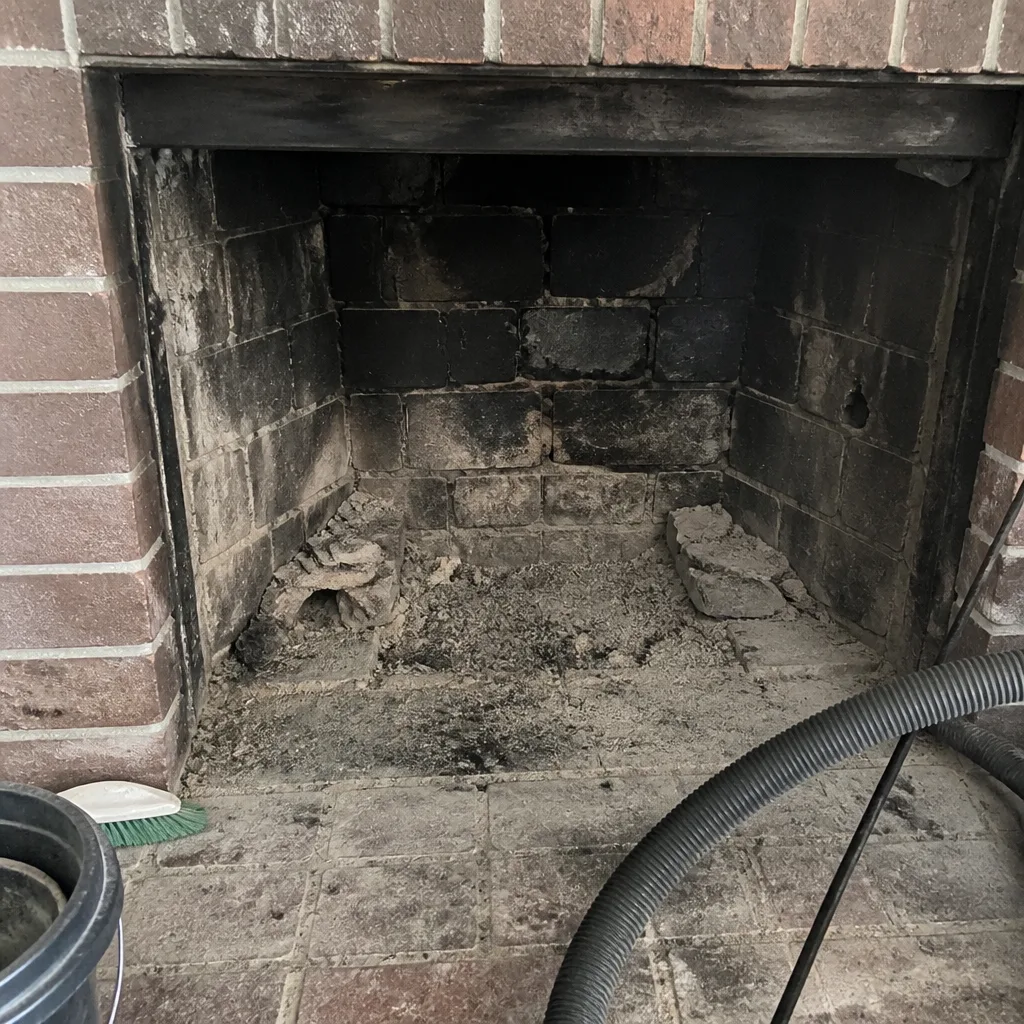 Before
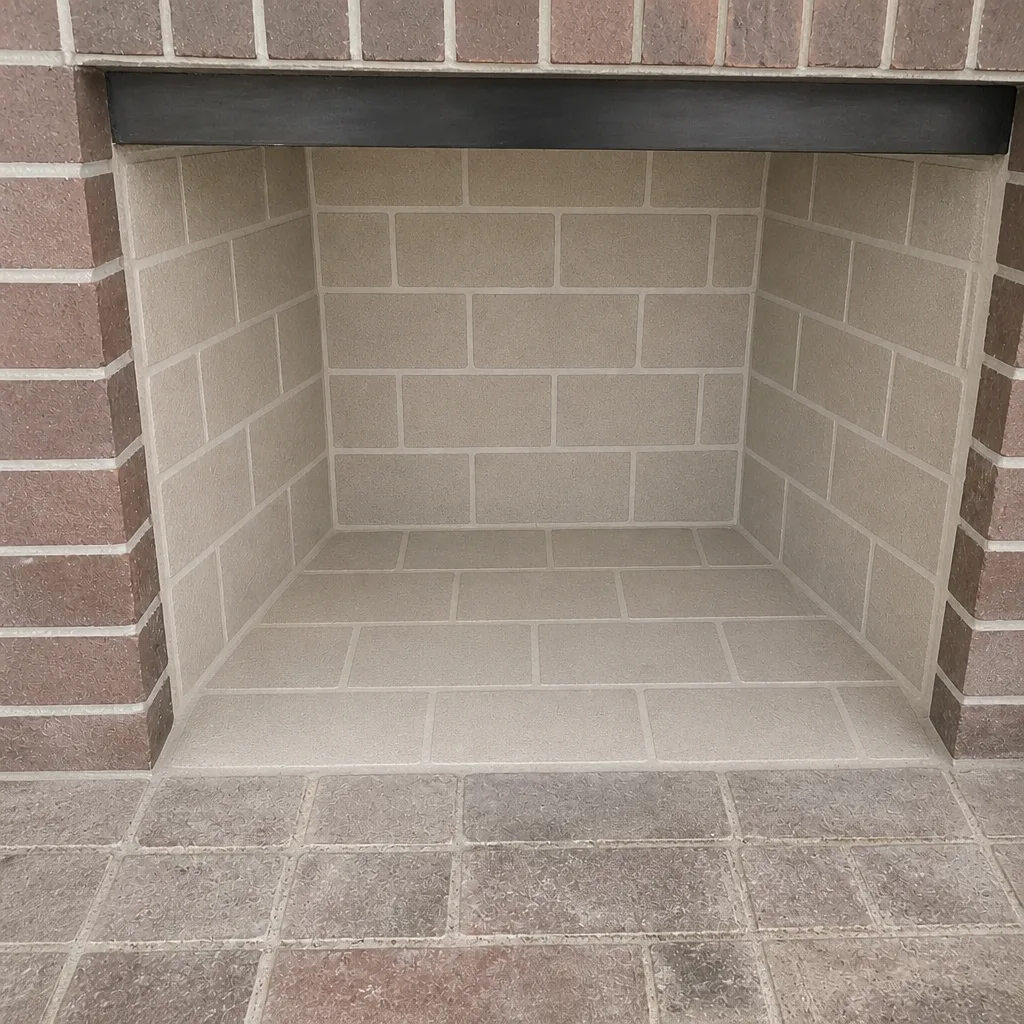 After
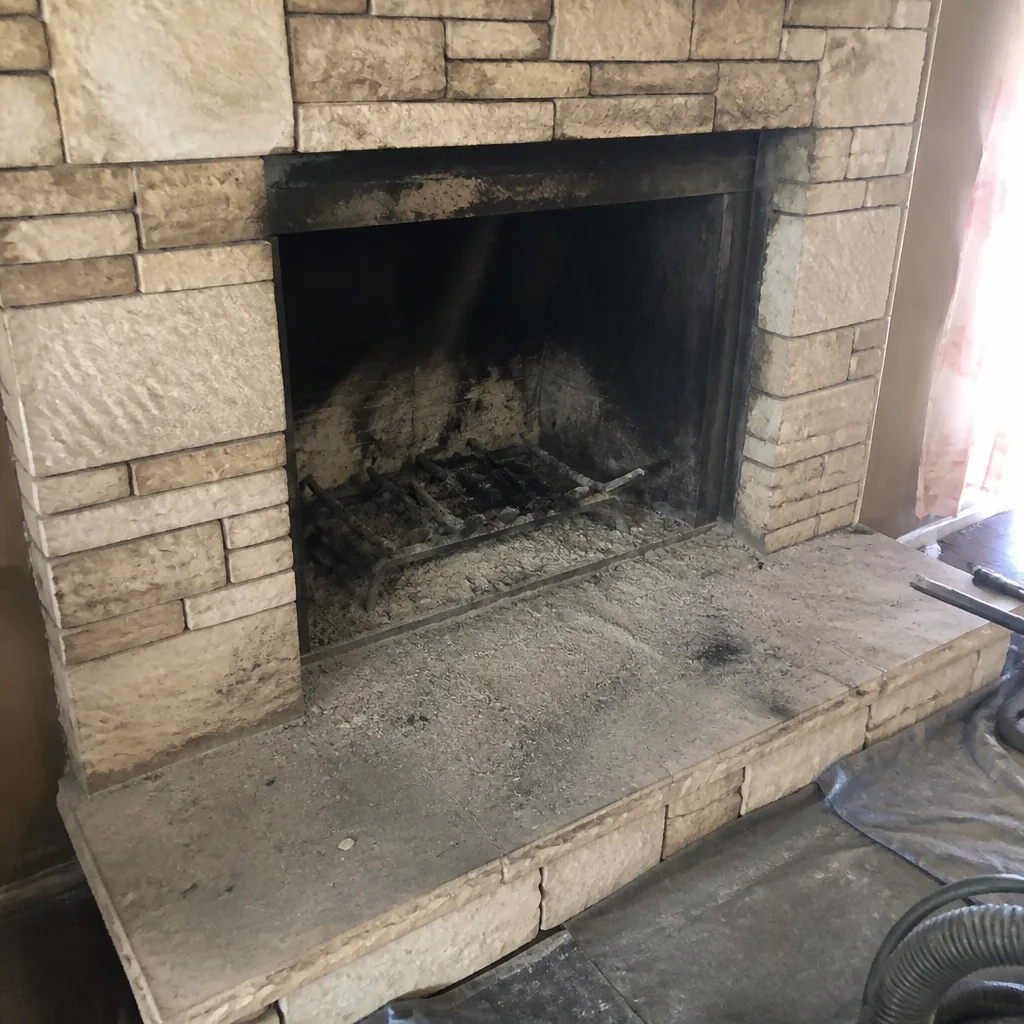 Before
 After
 Before
 After