
Last updated November 4, 2026
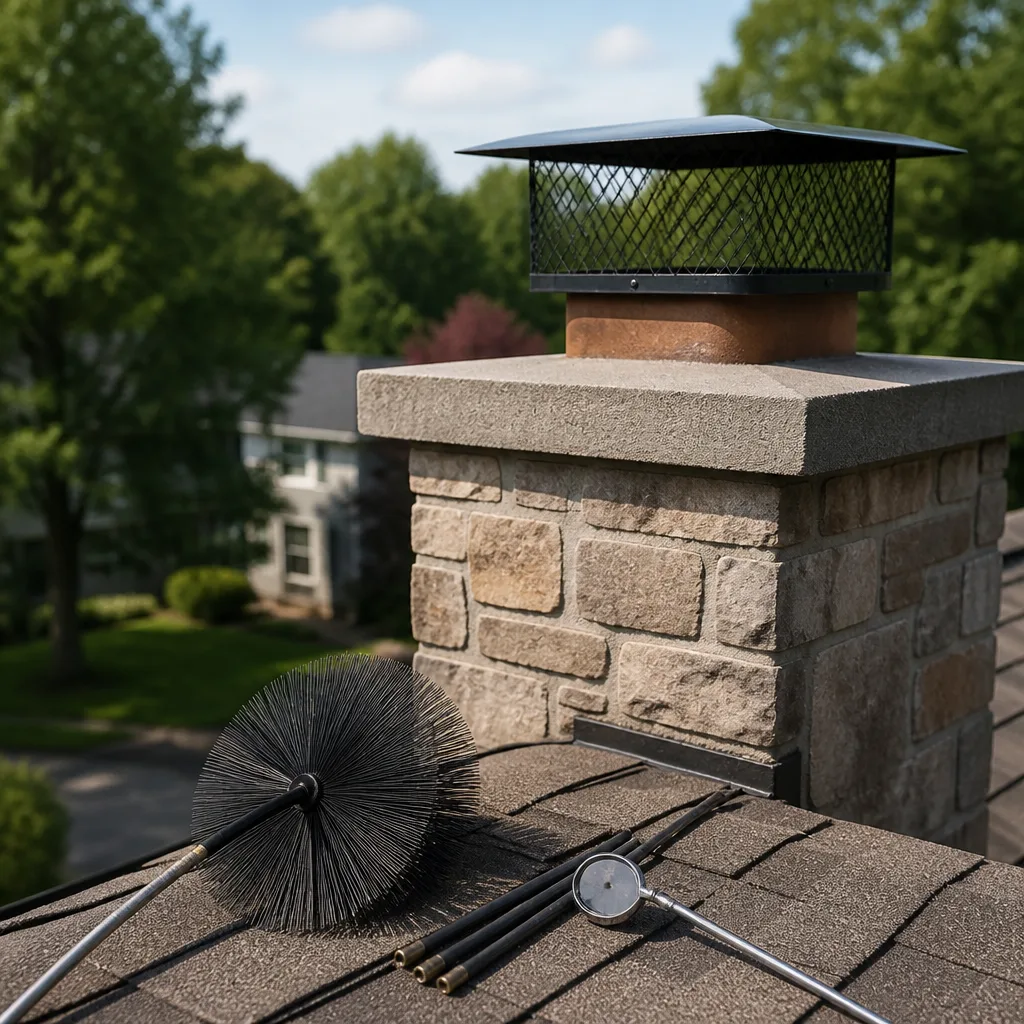 Sweep & inspection
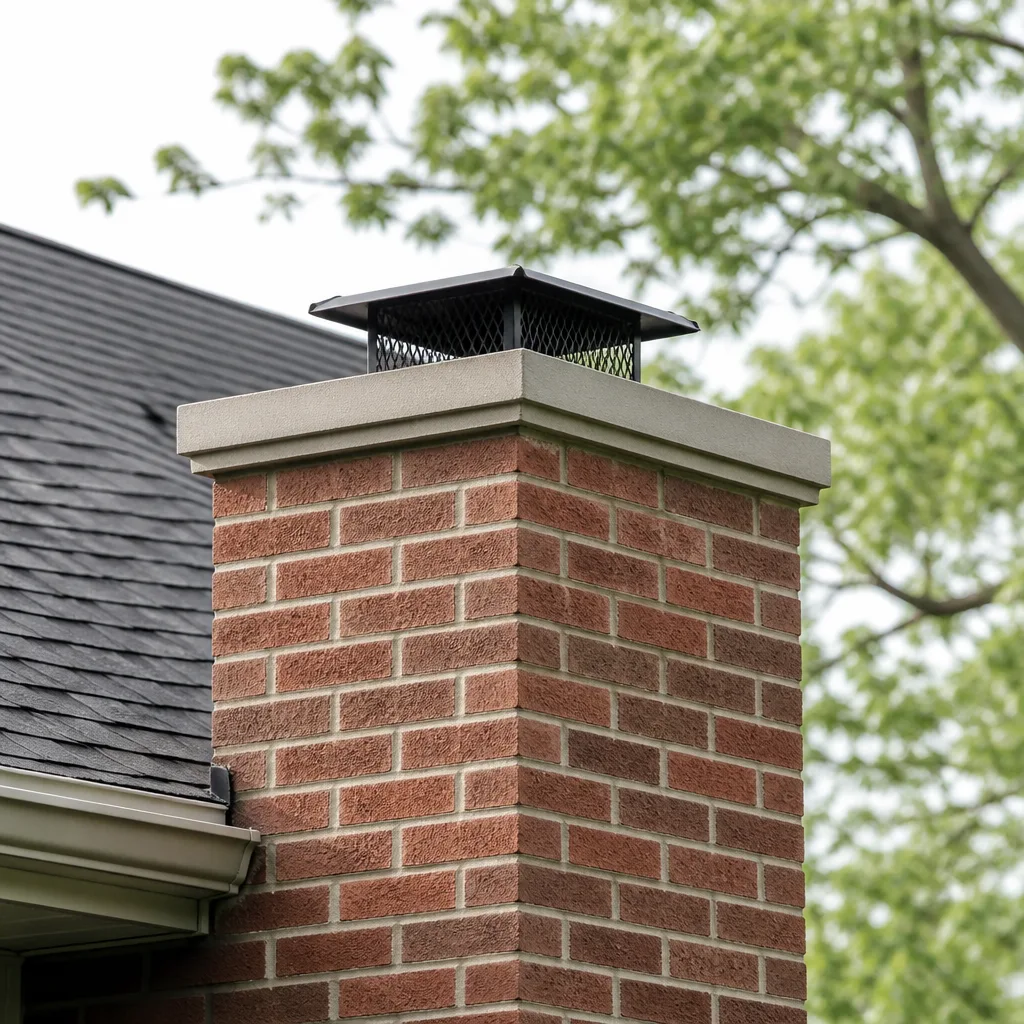 Caps & crowns
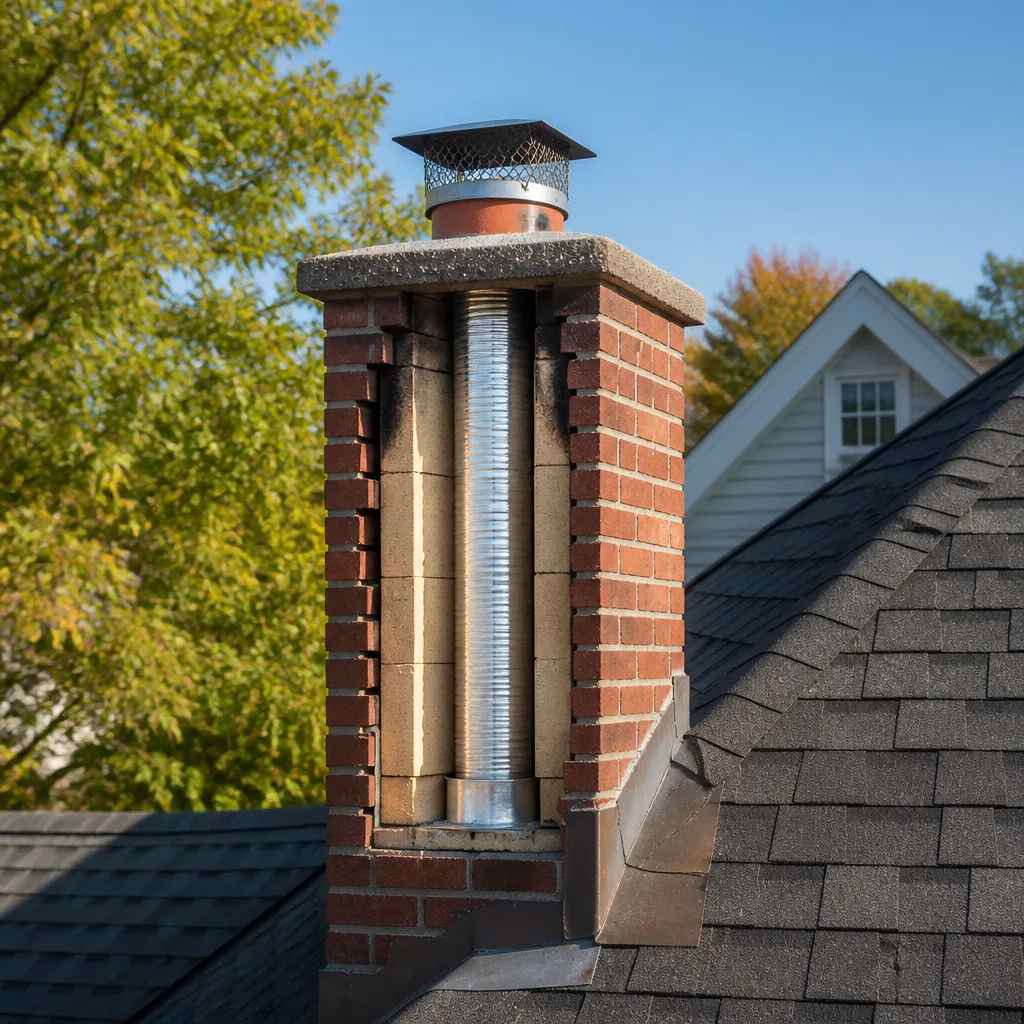 Flue relining
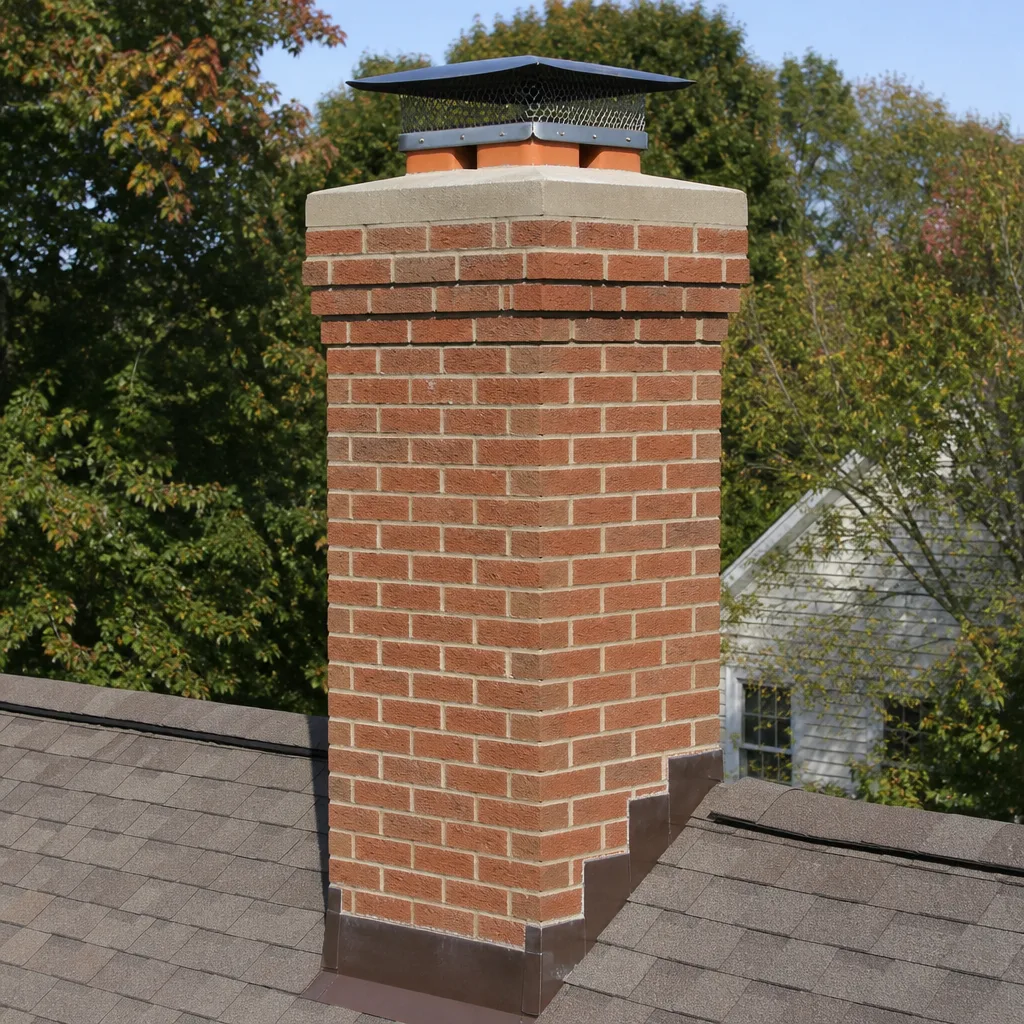 Masonry repair
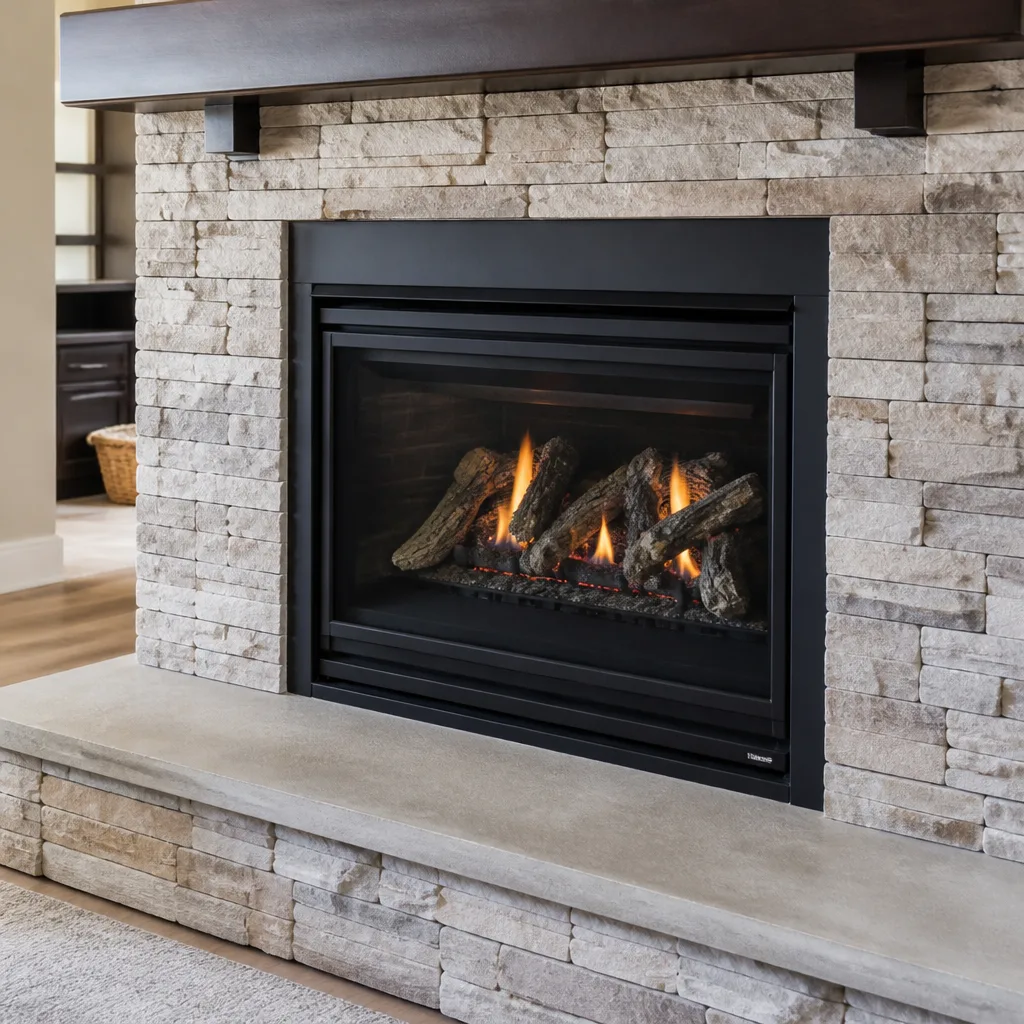 Gas fireplace service
Level 1 sweep and inspection to the NFPA 211 annual standard - flue, crown, cap, and flashing checked and photographed
Chimney sweep logs do not sweep chimneys. They loosen some creosote - which then falls where a brush and vacuum still have to collect it.
Chimney Sweep Maintenance Checklist for Bellflower Homeowners
Most chimney maintenance checklists read like they were written for a house in Ohio. They assume freezing winters, heavy burn seasons, and the kind of creosote buildup that comes from burning wood eight hours a day for five months straight. Bellflower doesn’t work that way. Our mild winters mean shorter burn seasons and different failure patterns. You’re not fighting ice damage. You’re watching for earthquake stress in mortar joints, corrosion from damp coastal air that sits on metal components year-round, and the sneaky hazards of a chimney that gets used just enough to build up deposits, but not enough to make those deposits obvious. This guide is built specifically for what degrades chimneys in the Bellflower area, and it teaches you what to look for before you pick up the phone. Use it as a pre-call inspection, not a replacement for a professional chimney sweep.
Styles & brands we work with
- Sweep & inspection
- Caps & crowns
- Flue relining
- Masonry repair
- Gas fireplace service
Quick Answer
A thorough chimney maintenance checklist for Bellflower homeowners covers exterior mortar and crown inspection for earthquake cracks, cap and flashing corrosion from coastal moisture, interior flue checks with a flashlight for creosote or spalling clay tiles, damper operation testing, and dryer vent clearance. Most Bellflower homes with wood-burning fireplaces should schedule a professional sweep once per year if used regularly, or every two years for occasional use. A homeowner who can identify a cracked clay tile liner or a corroded damper plate before the technician arrives isn’t just informed, they’re far less likely to be upsold on repairs they don’t need.
Table of Contents
- Exterior Inspection: What the Bellflower Climate Does to Your Chimney
- Interior Checks You Can Do Safely With a Flashlight
- Damper Operation Test: Stiff, Functional, or Warped
- Seasonal Use Thresholds: When Annual Becomes Twice a Year
- The Dryer Vent Check Most Chimney Companies Skip
- Record-Keeping That Builds a Maintenance History
- Common Mistakes to Avoid
- When to Call a Professional
- Frequently Asked Questions
- The Bottom Line
Exterior Inspection: What the Bellflower Climate Does to Your Chimney
Bellflower sits close enough to the Pacific that damp air is a year-round presence, even when summer temperatures climb. That moisture doesn’t freeze and crack your chimney the way it would in the Midwest, but it does something just as destructive over time: it sits on metal components and works into porous mortar, slowly breaking down both. The exterior checks below take about ten minutes and require nothing but your eyes and maybe a pair of binoculars if your roof pitch is steep.
Start at the top. Look at the chimney cap. If it’s metal and older than a few years, check for rust streaks running down the flue tile or the crown. Coastal air in Bellflower accelerates corrosion on galvanized and even stainless caps. A cap that’s rusted through at the edges isn’t just ugly, it lets rain directly into the flue, where it mixes with creosote and forms an acidic slurry that attacks mortar from the inside. Olympia Chimney and Famco both make replacement caps designed to hold up better in damp climates, and those are the kind of professional-grade components a specialist will stock rather than a big-box substitute that rusts in two seasons.
Next, examine the crown. This is the concrete or mortar slab that caps the chimney structure around the flue. Walk far enough back to see the whole crown. What you’re looking for is hairline cracking, especially cracks that run in a stair-step pattern through the mortar joints below the crown, down the chimney body itself. Bellflower has real seismic activity, and mortar doesn’t flex. Small earthquakes that would never damage framing can absolutely open up hairline fractures in chimney mortar. Those cracks let moisture in, and moisture in Bellflower doesn’t force its way out through freeze pressure. It just stays there, degrading the mortar through a slower chemical process that eventually leaves joints soft and crumbly.
Check the flashing while you’re at it. This is the metal where the chimney meets the roof. In Bellflower’s damp air, flashing corrodes and pulls away from the roofline, especially on older homes where the flashing wasn’t replaced when the roof was. Run your eyes along the seam. If you see gaps, lifted edges, or dark staining on the roof decking below, water is getting in. None of these exterior checks require you to get on the roof. Stay on the ground. If you can’t see the crown or cap clearly from where you stand, that’s the first sign you need a professional inspection.
Efflorescence is the last thing worth learning to spot. It looks like a white, chalky powder blooming on the surface of brick or mortar. In Bellflower’s damp climate, efflorescence means moisture is wicking through the masonry and carrying soluble salts to the surface. It’s not cosmetic. It’s evidence of water moving through places water shouldn’t be. We tell homeowners in Bellflower that efflorescence on a chimney is like a check-engine light: you can ignore it for a while, but the underlying problem doesn’t fix itself.
Interior Checks You Can Do Safely With a Flashlight
You don’t need to climb anything to learn a lot about the inside of your chimney. You need a bright flashlight, a pair of safety glasses or sunglasses to keep soot out of your eyes, and a willingness to kneel down and look up. Here is the step-by-step process we recommend to Bellflower homeowners before they schedule a sweep.
- Open the damper fully. Make sure it’s actually open. Looking up into a closed damper tells you nothing and risks a face full of soot when you nudge it.
- Put on eye protection. Even a small draft can send fine soot particles down. Bellflower homes get windy days, and gusty conditions make chimney interiors move around.
- Shine the light up the flue. Angle it to sweep the walls of the flue, not just the center. What you’re looking for is a black, tar-like coating (that’s creosote) or a brown, flaky, bubbled texture (that’s also creosote, in a more volatile stage).
- Look for white or tan patches. If your flue has clay tile liners, spalling shows up as chipped edges, flakes on the smoke shelf, or patches where the tile looks eroded and lighter than the surrounding surface. Spalled clay tiles are a structural problem, not a cleaning problem.
- Check the smoke shelf. This is the flat area just above the damper. Debris collects there. If you can see a buildup of soot, bird nesting material, or broken tile chunks, something needs attention.
- Smell it. A healthy, clean chimney has a faint campfire smell at most. A strong, sour, or oily smell that gets worse on humid Bellflower days means creosote or moisture is trapped inside.
How much creosote is too much? Any visible shiny black glaze is a problem. If the creosote looks like matte black dust, that’s normal after a season of burning and a sweep will handle it. If it looks wet, glossy, or has a texture like coffee grounds caked together, you’re in the territory where a chimney fire becomes a real possibility. The flue doesn’t need to be packed with creosote to ignite. A quarter-inch of glazed creosote is enough to fuel a fire that heats the flue to the point of cracking liners or igniting nearby framing.
One thing we tell every homeowner in Bellflower: don’t try to clean the flue yourself with a brush from the hardware store. The danger isn’t the brush. It’s what you can’t see. A homeowner can identify the problem, but a professional with a camera inspection can tell you whether that creosote is surface-level or masking cracks, gaps, and liner failure that require repair, not just sweeping.
Damper Operation Test: Stiff, Functional, or Warped and Unsafe
The damper is one of the few chimney components you operate every single time you use the fireplace, which means it wears out faster than just about anything else on the system. Testing it takes thirty seconds and tells you a lot about what’s happening up there.
Reach up and move the damper handle from open to closed a few times. What you’re feeling for is the difference between stiff and warped. A stiff damper resists movement but still seats fully closed and opens fully with steady pressure. That’s usually a sign of soot and creosote buildup on the hinge and plate, and a sweep will take care of it. A warped damper doesn’t just resist, it won’t seat. You’ll feel it hang up partway, or you’ll see light around the edges when it’s supposed to be closed. A warped damper can’t do its job, which means heated and cooled air flows through your chimney year-round, and it means moisture gets in on damp Bellflower days.
Listen for grinding. Metal-on-metal grinding that isn’t just stiff pressure suggests rust in the hinge or frame. Coastal air does that. The damper plate is typically cast iron or steel, and damp air condenses on it when the flue cools at night. Over a few years in Bellflower’s climate, that becomes pitting, then flaking rust, then a damper that either won’t open all the way or won’t seal when closed. A replacement damper from Famco is what we’d install for most homes because it’s designed for heavier use and resists that corrosion cycle better than the cheap plates.
A damper that is corroded closed is dangerous because it encourages people to burn with it partially open, thinking that’s “good enough for ventilation.” It isn’t. A partially open damper restricts the draft, which sends smoke and carbon monoxide back into the house on a windy day. If your damper doesn’t move through its full range of motion smoothly, mark it on your checklist as “needs attention” and mention it when you call for a sweep.
Seasonal Use Thresholds: When Annual Becomes Twice a Year
Bellflower doesn’t have a long wood-burning season, but length isn’t the right metric. Frequency is. What matters is how many fires you burn, what you burn, and whether your fireplace is the primary heat source for a room or a once-a-week ambience thing.
Here is the threshold we use for homes in Bellflower:
- Under 20 fires per season: A professional sweep every two years is typically fine, provided the fires are hot and clean, with seasoned hardwood rather than softwood or manufactured logs.
- 20 to 50 fires per season: Annual sweeping is the right call. This is the most common usage pattern we see in Bellflower, and once a year keeps the flue from crossing into the range where glazed creosote becomes the norm.
- Over 50 fires per season, or any use of green or unseasoned wood: Bi-annual sweeping, meaning a sweep mid-season and one at the end. Unseasoned wood creates creosote dramatically faster than dry wood, even in a mild climate.
- Any use of a wood stove or insert: Annual minimum, with a camera inspection. Stoves run cooler flue temperatures than open fireplaces, which means more condensation and more creosote, even with short burn windows.
- Gas fireplaces: Annual inspection is still worth doing, not for creosote but for venting integrity, burner condition, and carbon monoxide safety. Gas logs don’t create creosote, but they do create acidic moisture that attacks metal flues and dampers.
The Bellflower variable is humidity. Homes that sit closer to the coast get cooler evening temperatures and higher moisture content in the air than inland Los Angeles County homes. That moisture condenses inside chimneys more often, mixing with creosote and accelerating its degradation. What that means practically is that a Bellflower home with moderate fireplace use often needs a sweep on the same schedule as an inland home with heavier use. If you’re not sure which category you’re in, the written estimate should include a camera inspection so you can see exactly what’s in the flue and decide based on evidence, not guesswork.
The Dryer Vent Check Most Chimney Companies Skip
Your chimney and your dryer vent share a job: they move hot, particle-laden air out of your house. And they fail for the same reason: that particle load builds up, restricts the airway, and becomes a fuel source. The difference is that most chimney companies won’t touch a dryer vent. It isn’t a chimney problem in their mind. It is in ours. Dryer vent cleaning is one of our core services precisely because it’s the same combustion-and-flow science, applied to an appliance most Bellflower households run two or three times a week year-round.
Here is the homeowner-level check. Go outside and find the dryer vent termination. It’s usually a small hood or flap on an exterior wall. Is the flap opening when the dryer runs? If it’s stuck closed, the lint has nowhere to go but back into the duct and the dryer. Go back inside and run the dryer on a normal load. Now check the outside vent again. Full airflow should push that flap open decisively. A weak flutter means partial blockage. No movement means a serious restriction that is already lengthening dry times and raising the temperature inside the duct.
Lint is a leading cause of household dryer fires. The accumulation doesn’t have to be dramatic. A quarter-inch coating on the inside of a four-inch duct reduces airflow enough to trap heat, and trapped heat is what ignites lint. If your dryer has started taking two cycles to dry a load that used to dry in one, the vent is telling you something. Bellflower homes with longer vent runs, which are common in ranch-style houses where the laundry room sits on an interior wall, are more prone to restriction because the lint has more distance to travel and more joints where it can snag. We recommend a professional dryer vent cleaning at least once a year for households that run the dryer daily, and every two years for lighter use.
Record-Keeping That Builds a Maintenance History
Most chimney problems are slow. They don’t appear overnight. And when they do appear, the conversation often starts with, “When did this start?” A homeowner with records can answer that question. Insurance adjusters and home inspectors appreciate records too, because a documented maintenance history shows the system was cared for, not neglected. Here is the format we suggest.
After every service, whether it’s a sweep, a Chimney Sweep Bellflower repair visit, or an inspection, keep a single page in a folder or a notes app with these fields:
- Date of service.
- Type of service. Sweep, inspection, repair, relining, dryer vent cleaning.
- Technician’s findings. What was observed, in the technician’s words if possible. Request a written summary if one isn’t provided.
- Photos. Ask for images from any camera inspection. Most specialists will provide them. These become your baseline for comparison next year.
- Measurements. Flue dimensions, liner condition, creosote thickness in the swept material. Any numbers the technician mentions, write them down.
- Materials used. If a repair was made, record the brand and product. DuraFlex liner, HeatShield resurfacing, a Famco damper assembly. This matters because it tells the next technician what they’re working with and tells an insurance company that professional-grade materials were used, not a patch.
- Follow-up recommendations. What the technician said to watch for, and the suggested next service window.
You don’t need a fancy system. A three-ring binder or a Notes file works fine. The value is in the consistency. A Bellflower home that changes hands in five years will sell more easily, and possibly for more money, if the fireplace and vent system comes with a paper trail. Home inspectors know the difference between a chimney that was maintained and one that was ignored. The records tell them which one they’re looking at.
Common Mistakes to Avoid
- Burning unseasoned wood in a mild climate. Bellflower’s short burn season tempts homeowners to grab whatever is available, often wood that hasn’t dried properly. Wet wood produces dramatically more creosote per fire than dry hardwood. A single season of green wood can create as much buildup as three seasons of proper burning.
- Ignoring a damper that doesn’t close fully. A warped or corroded damper is easy to dismiss because the fireplace still “works.” But an unsealed damper lets damp Bellflower air into the flue all year, accelerating corrosion and masonry damage. It also lets conditioned air escape in summer.
- Skipping the cap inspection because the roof is hard to see. Most homeowners never look at the top of their chimney because they can’t see it from the driveway. That’s exactly where the damage accumulates. A corroded cap or cracked crown can go unnoticed for years while it quietly ruins the flue below it.
- Using the fireplace as a trash incinerator. Burning cardboard, wrapping paper, or junk mail produces heavy, cool smoke that deposits creosote fast. Bellflower’s air quality regulations also restrict what can be burned, and burning trash in a fireplace is illegal in most of Los Angeles County.
- Treating the dryer vent as unrelated to the chimney system. They’re the same physics. A restricted dryer vent is a fire hazard even if the chimney was just swept. Homeowners who only think about venting when the fireplace is in use are missing a year-round risk.
- Waiting for a problem to show up before calling a sweep. Chimney problems don’t announce themselves. By the time you see smoke backing up into the room or smell something odd, the flue is already in trouble. Maintenance checks are the whole point: they prevent the moment you realize something went wrong.
When to Call a Professional
Some findings from your checklist mean it’s time to stop looking and start calling. Any visible glazed creosote, spalled clay tiles, or cracks wider than a hairline in the crown or mortar joints warrant a professional camera inspection. The same goes for a damper that won’t seat, a cap that’s rusted through, or a dryer vent that shows no airflow at the exterior hood. If you smell smoke or an oily odor when the fireplace hasn’t been used in weeks, don’t light another fire until someone has looked inside. Chimney Sweep Bellflower offers free estimates in Bellflower, call (866) 632-0270. We answer 24/7. Fast dispatch from 7am to 7pm, Sunday through Friday.
Frequently Asked Questions
Most Bellflower homes with moderate fireplace use, meaning 20 to 50 fires per season, should have the chimney swept once per year. Homes that burn less than 20 fires a season can often go two years between sweeps, while homes that burn more than 50 or use unseasoned wood should schedule twice a year. The right answer for your usage comes from a camera inspection and the written estimate, so call (866) 632-0270 for a free estimate.
Earthquake damage on a chimney typically shows up as hairline cracks in the crown, stair-step cracking through mortar joints, or separation between the chimney structure and the house. These cracks are subtle at first, and they don’t always follow the shaking itself, sometimes they open gradually over months as the structure settles. In Bellflower’s seismically active area, any new cracking should be checked by a professional.
Yes, most of what you need to know is visible from the ground with binoculars and from inside the firebox with a flashlight. Look for rust on the cap, cracks in the crown, stair-step mortar fractures, and flashing separation from the ground. From inside, shine a light up the flue to check for creosote and spalled tile. A professional can still see more with a camera, but your own checks help you know what to ask about.
That smell is usually creosote and soot absorbing moisture from humid Bellflower air, which makes the odor much more noticeable. It can also be a sign that the damper isn’t sealing and water is getting down the flue. If the smell is strong or persists when the fireplace is unused, have a professional inspect the flue before it becomes a corrosion problem.
Yes. Gas fireplaces don’t produce creosote, but they do produce acidic moisture that corrodes metal flues and dampers from the inside. They also carry carbon monoxide risk if the venting is compromised. An annual inspection for a gas fireplace in Bellflower is a safety practice, not a cosmetic one.
Chimney sweep pricing in Bellflower depends on the flue condition, the amount of buildup, and whether any repairs are needed, so the only honest way to find out is to have it looked at. Our estimates are free, and the written estimate sets the price before any work begins. Call (866) 632-0270 to schedule an estimate.
The Bottom Line
A chimney maintenance checklist only helps if it’s built for where you live. Bellflower’s mild winters, seismic activity, and coastal humidity create a specific set of failure patterns that a generic national checklist never mentions. Check the exterior for earthquake cracks and cap corrosion. Check the interior with a flashlight for creosote and spalling. Test the damper and record what you find. Keep the records. And don’t forget the dryer vent, because a clogged vent is as dangerous as any chimney fire. Most of all, use your own eyes before every professional visit. A homeowner who knows what they’re looking at gets better service, makes better repair decisions, and never ends up paying for work they don’t need.
Written by the team at Chimney Sweep Bellflower, serving Bellflower since 2017.
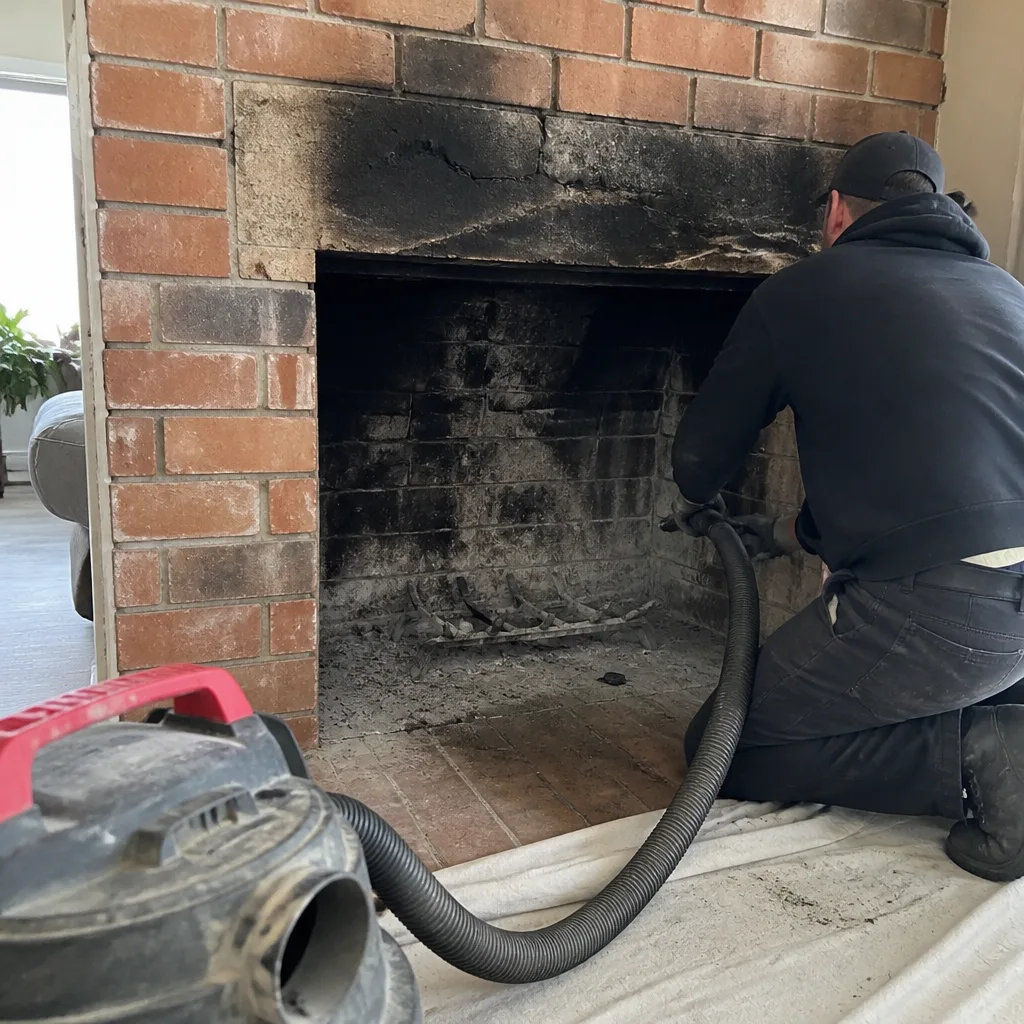
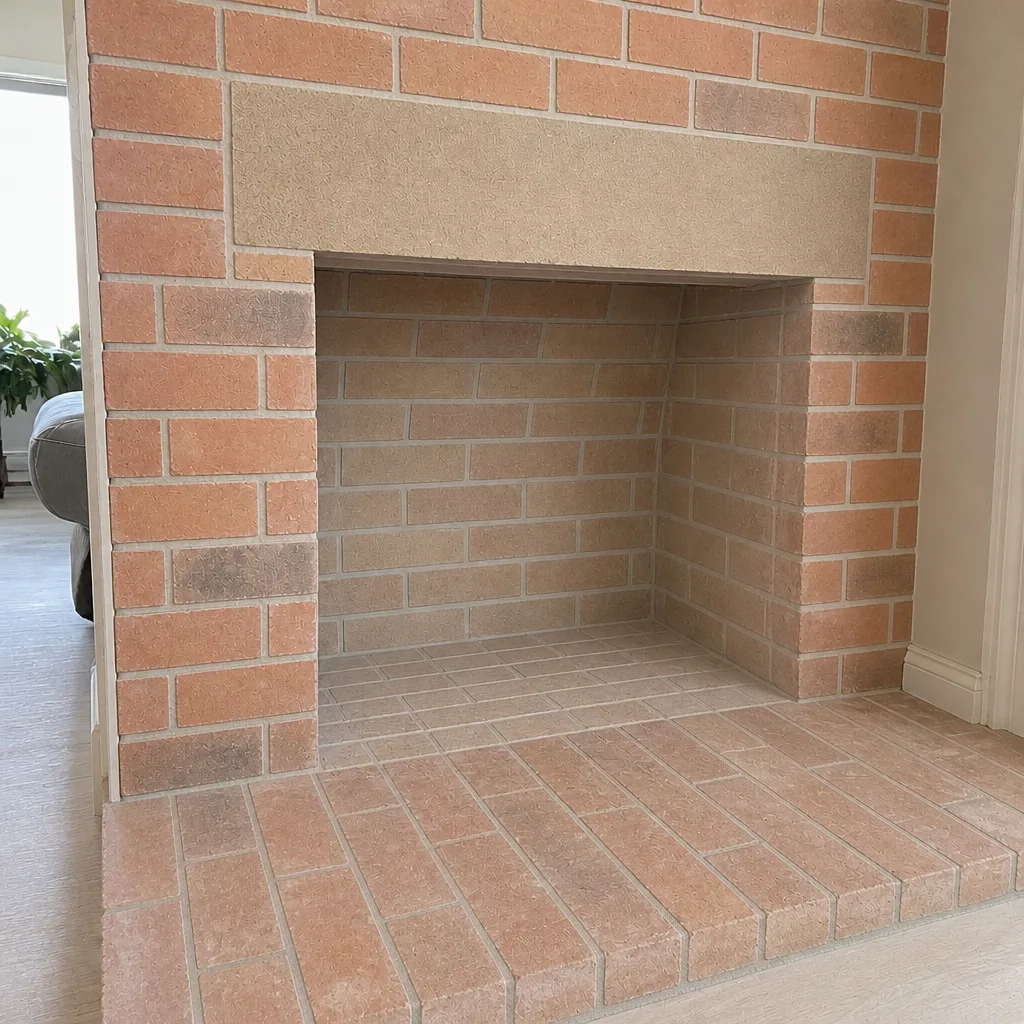
See the difference
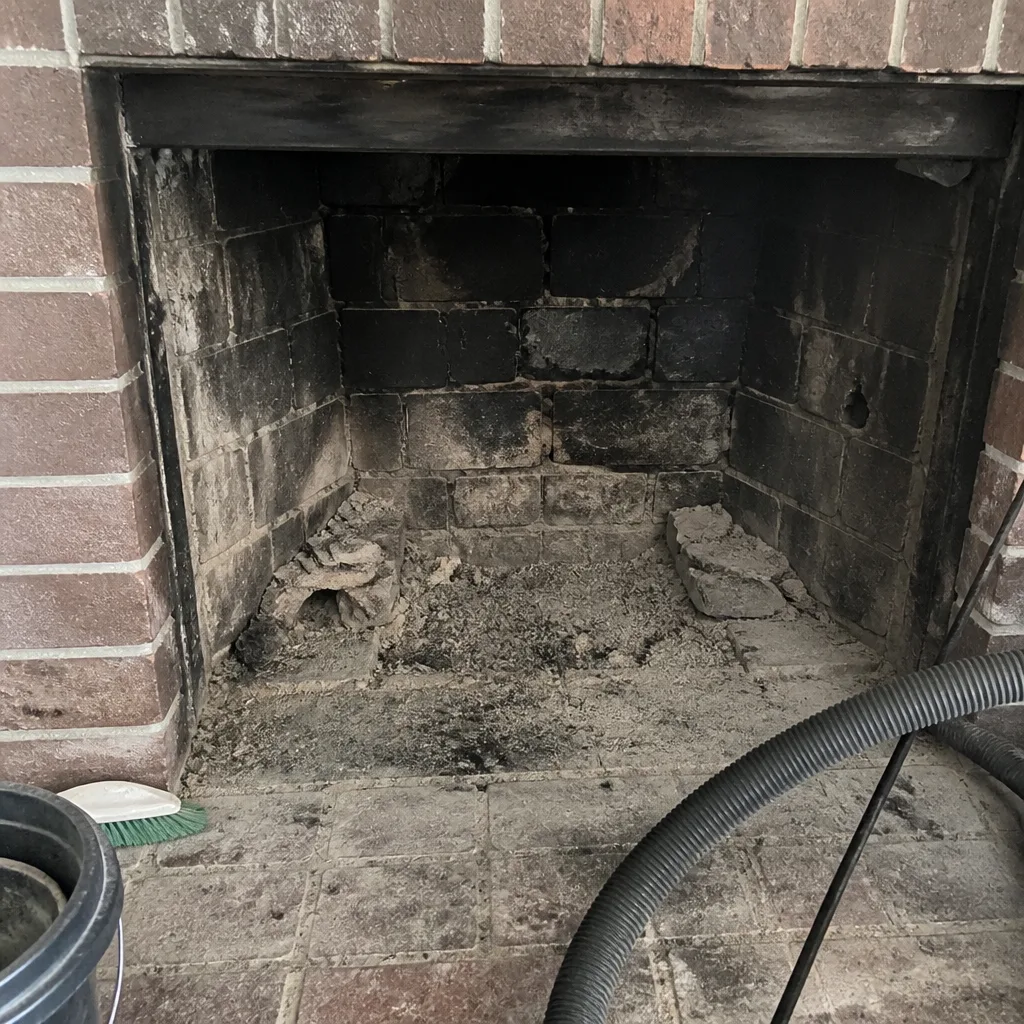 Before
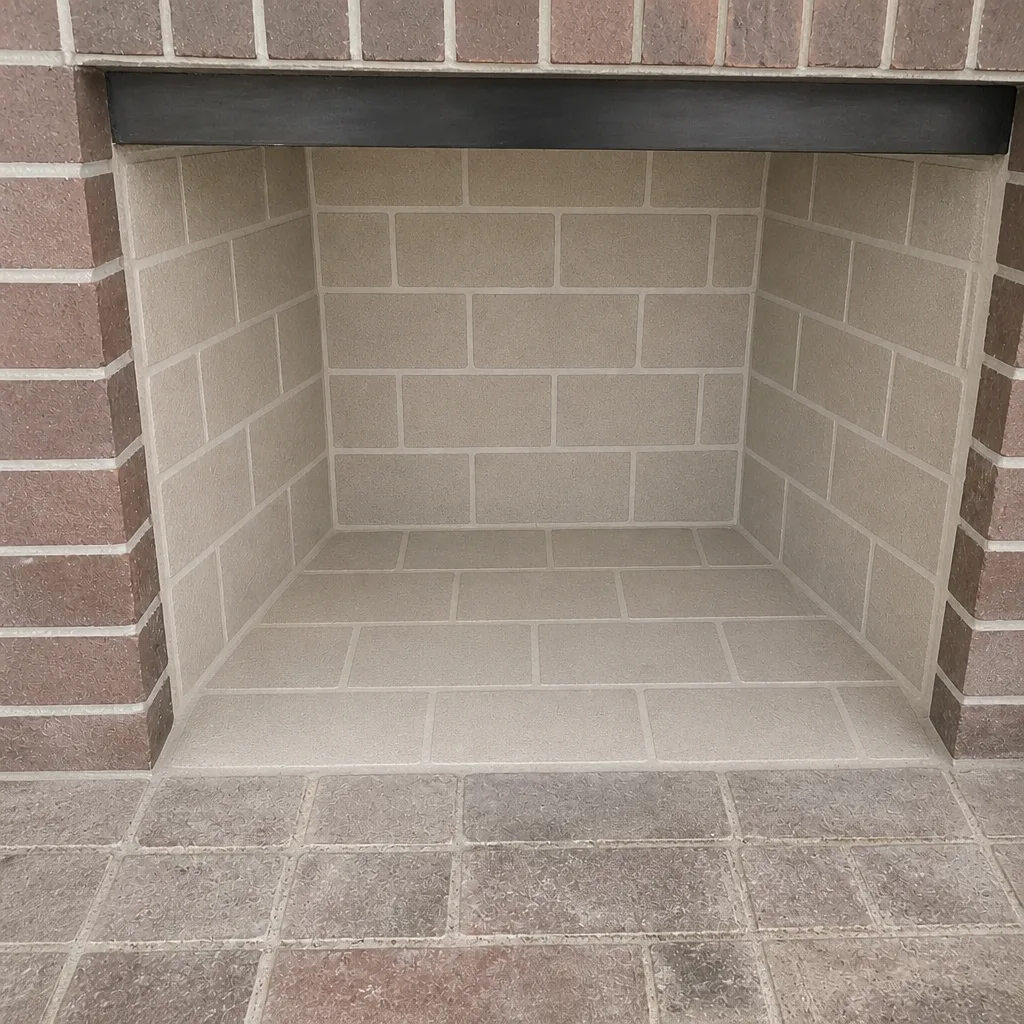 After
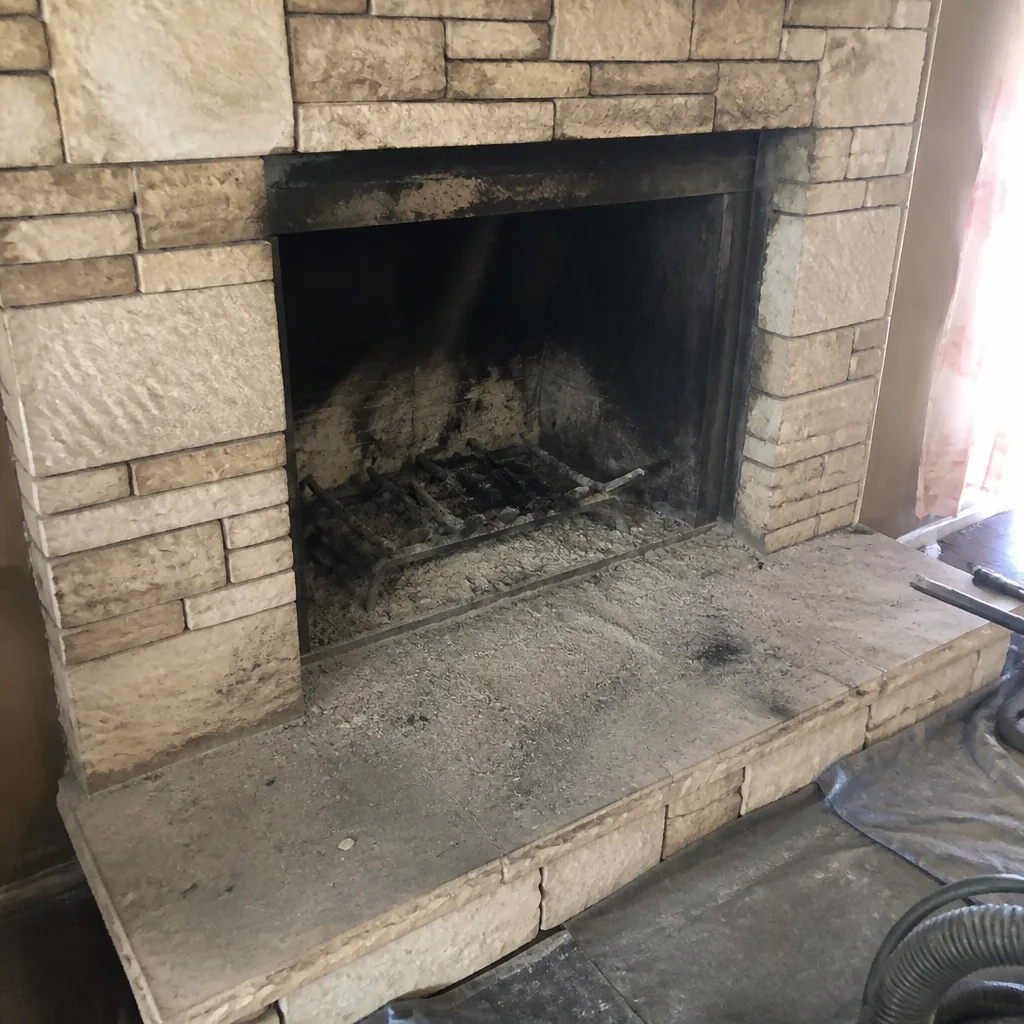 Before
 After
 Before
 After