
Last updated November 4, 2026
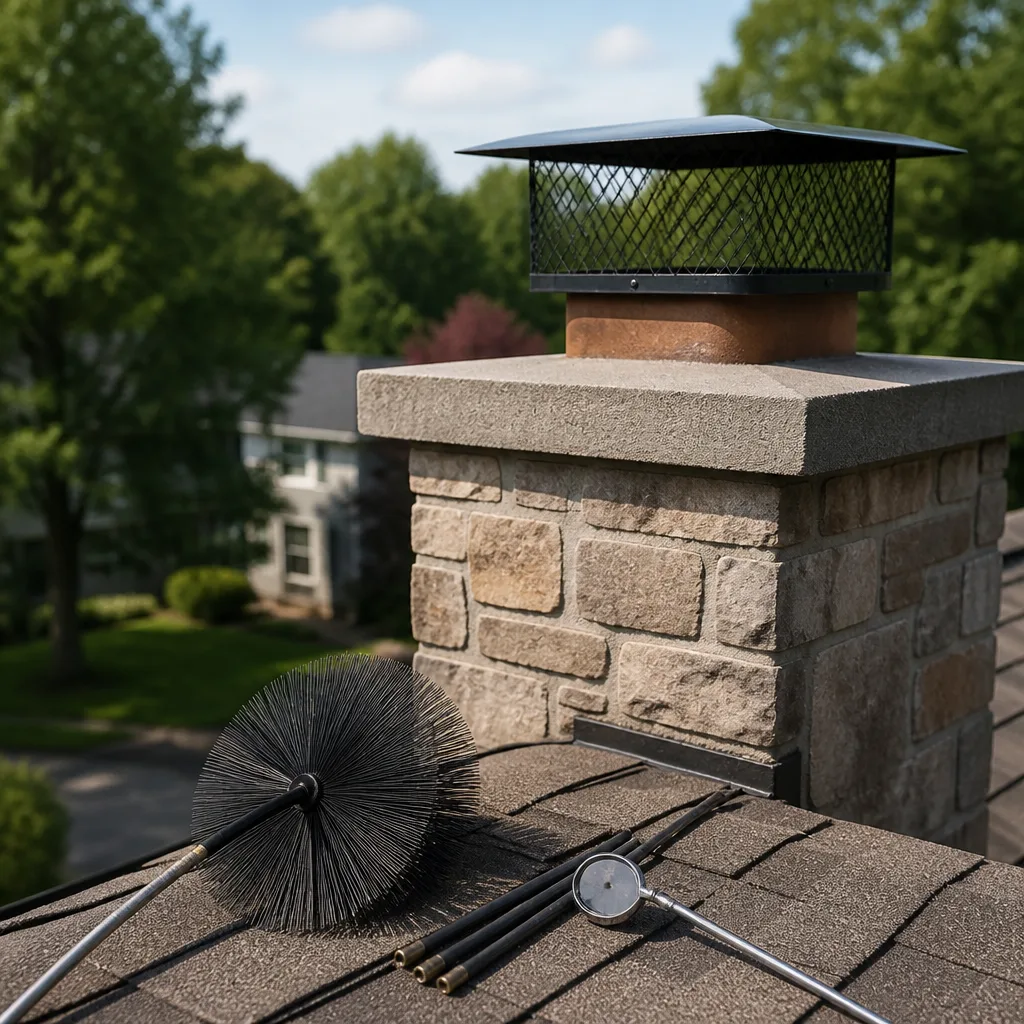 Sweep & inspection
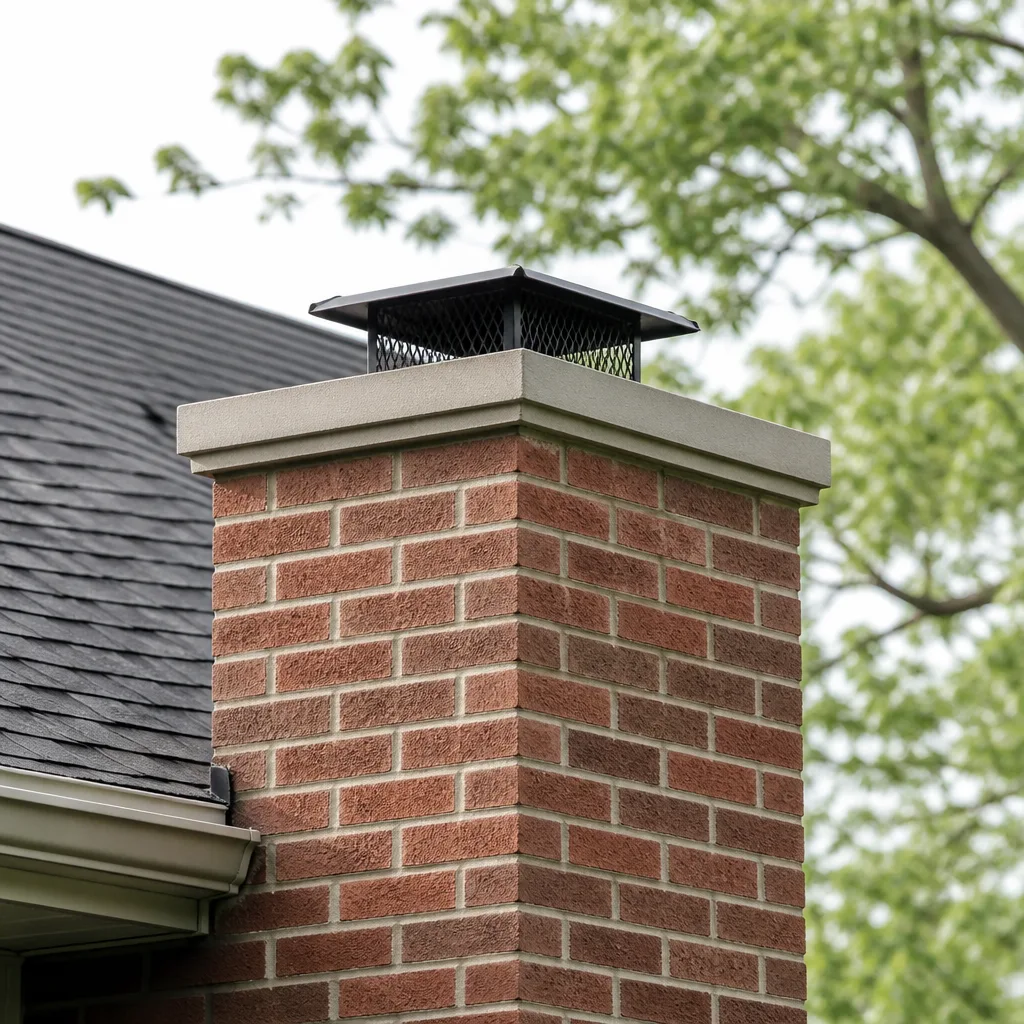 Caps & crowns
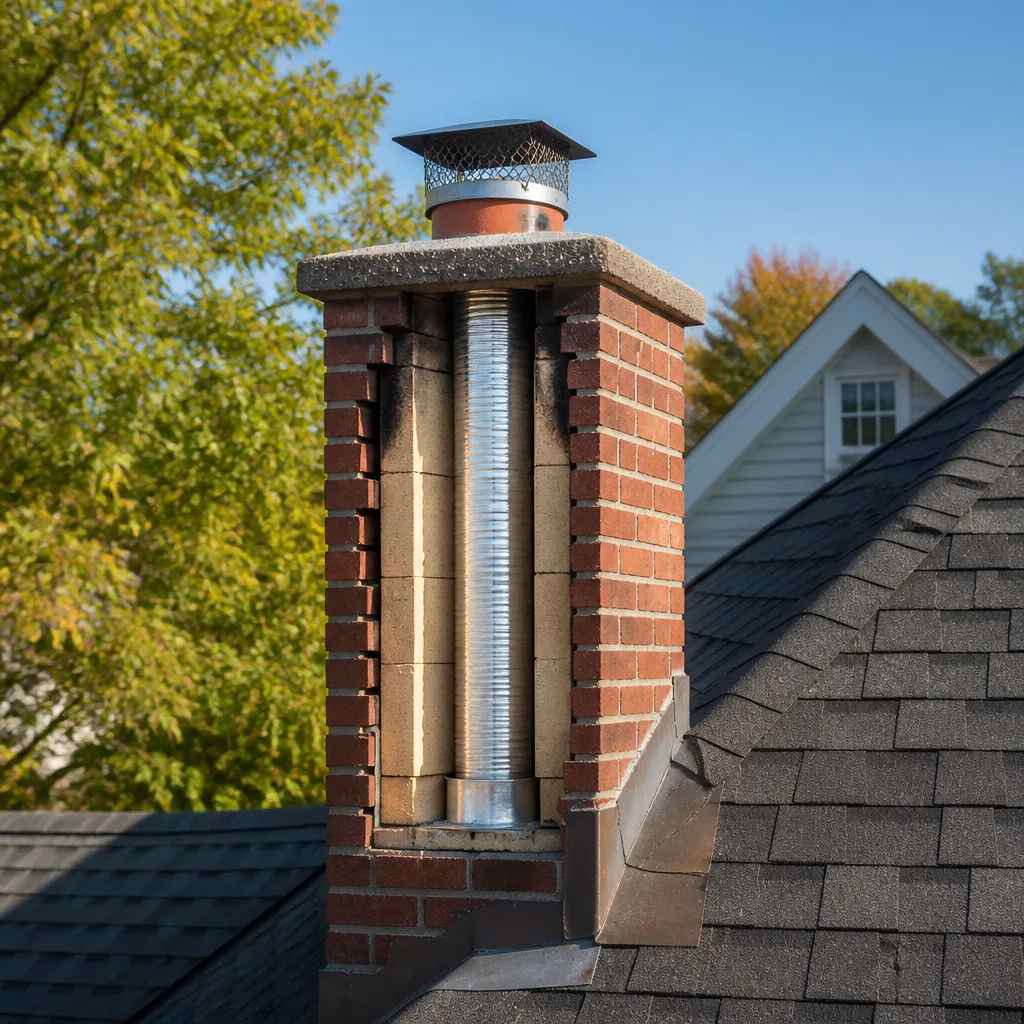 Flue relining
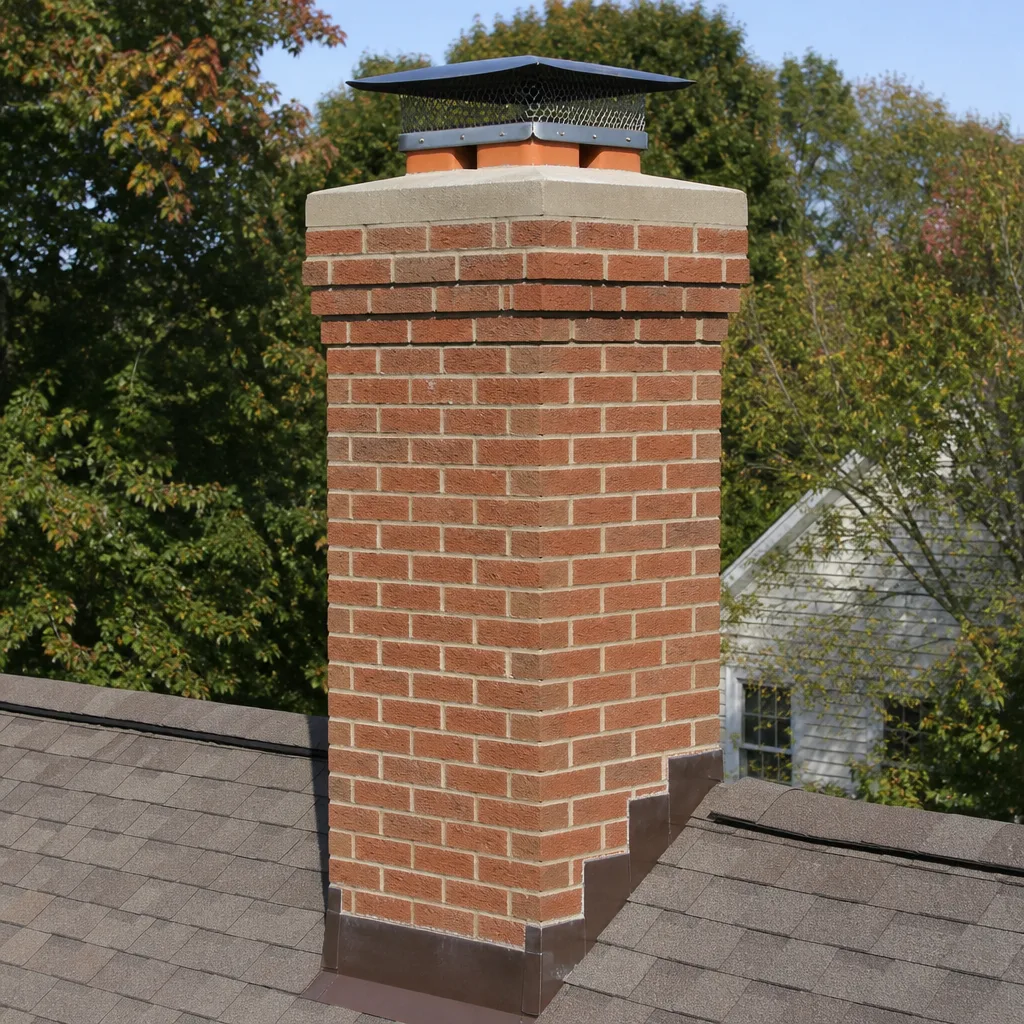 Masonry repair
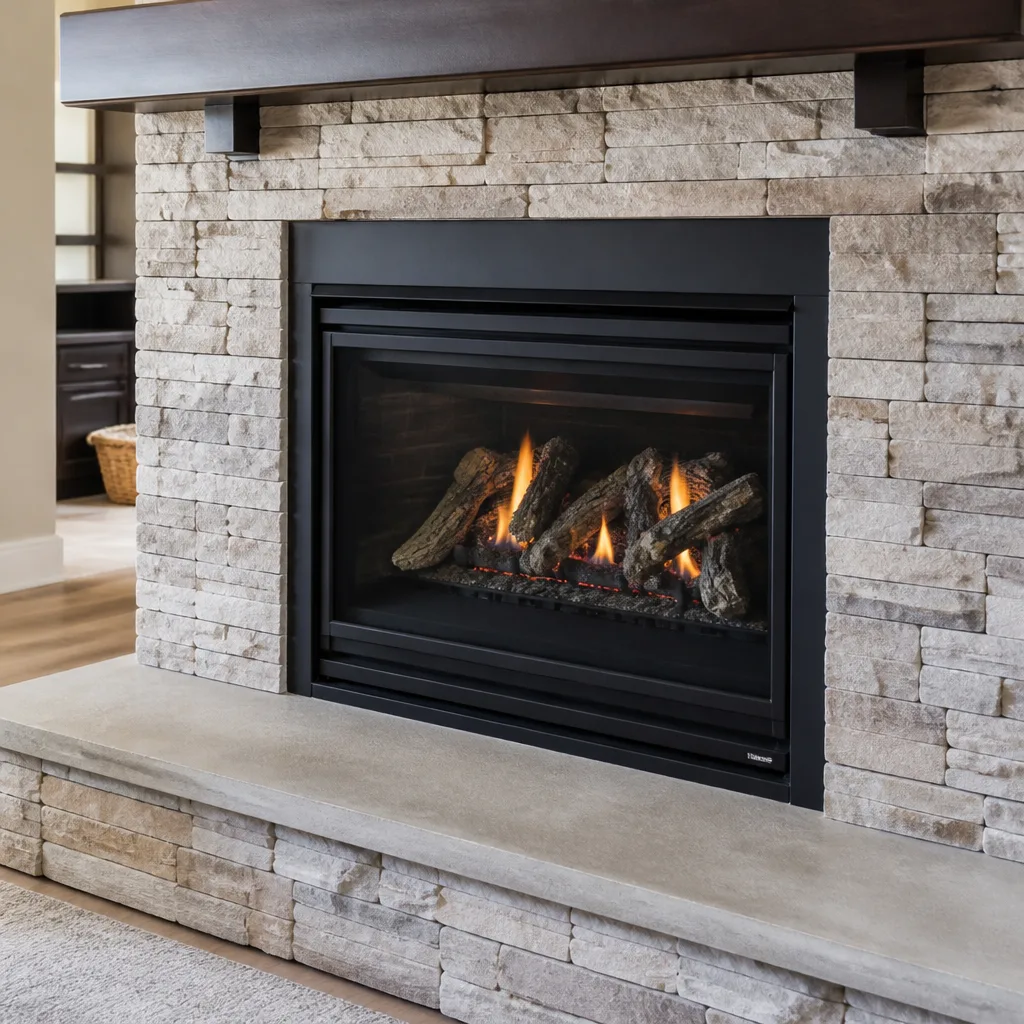 Gas fireplace service
Level 1 sweep and inspection to the NFPA 211 annual standard - flue, crown, cap, and flashing checked and photographed
Chimney sweep logs do not sweep chimneys. They loosen some creosote - which then falls where a brush and vacuum still have to collect it.
Chimney Sweep Troubleshooting in Bellflower: Common Problems and How to Fix Them
A smoky living room usually isn’t a dirty flue. More often than not, the smoke rolling back into your Bellflower home is a pressure problem, and you can’t fix a pressure problem by scrubbing creosote. This guide walks you through reading your chimney’s symptoms the way a technician does, so when you do pick up the phone, you already know what question to ask.
Styles & brands we work with
- Sweep & inspection
- Caps & crowns
- Flue relining
- Masonry repair
- Gas fireplace service
Quick Answer
Most chimney problems in Bellflower fall into three buckets: draft failure caused by air-pressure imbalances, physical blockages from animals or debris, and creosote restriction from burning habits. Each has distinct smoke, sound, and smell signatures. Some issues can be paused with a simple damper adjustment; others, like white smoke or a structural crack smell, need a professional chimney sweep immediately.
Table of Contents
- Draft Failure vs. Blockage vs. Creosote Restriction: How to Tell Them Apart
- Cold-Flue Backdraft: Why Bellflower Fireplaces Struggle After Sitting Idle
- Sound and Smell Signatures: Animal Nesting, Creosote Buildup, or Cracked Liner
- The One Safe Visual Check You Can Do From the Firebox
- Which Problems You Can Pause, and Which Need Immediate Help
- Dryer Vents: The Overlooked Fire Hazard in the Same Utility Space
- How Burning Habits Cause Most Buildup
- Common Mistakes to Avoid
- When to Call a Professional
- Frequently Asked Questions
- The Bottom Line
Draft Failure vs. Blockage vs. Creosote Restriction: How to Tell Them Apart
Smoke doesn’t rise because it wants to. It rises because your home has a pressure gradient, and the chimney is the path of least resistance. When that gradient flips or gets blocked, smoke finds a different exit: your living room. Bellflower homes built in different eras have different air-sealing profiles, and that changes how pressure behaves inside the house.
Draft failure shows up as thin, lazy smoke that hangs near the firebox opening instead of streaming upward. It often starts after you’ve run a bathroom fan, a range hood, or a central HVAC blower. Those appliances pull air out of the house faster than the chimney can supply it. The fix isn’t sweeping; it’s identifying what’s competing with the flue for air.
Blockage is heavier. Smoke comes back into the room in visible puffs, sometimes getting worse over minutes, not hours. You may also hear faint scratching or fluttering from the flue. A blocked flue won’t fix itself, and burning through it just packs the obstruction tighter.
Creosote restriction feels different from both. The fire burns, but not well. It smolders more than it flames, and the smoke smells acrid or sticky-sweet, especially in humid weather. This comes from burning unseasoned wood or smoldering fires at low temperatures. Creosote narrows the flue opening gradually, so problems develop over a full season rather than overnight.
Quick identification list
- Thin, lazy smoke + fan running: draft failure, likely air-pressure competition
- Puffs of smoke + noises from flue: blockage, possibly animal activity
- Acrid smell + weak flames over weeks: creosote restriction building up
- White, steamy smoke: water intrusion or a liner crack; stop and call immediately
Cold-Flue Backdraft: Why Bellflower Fireplaces Struggle After Sitting Idle
Bellflower’s weather means most fireplaces sit unused from spring through early fall. That’s long enough for the air column inside the flue to turn cool and dense. When you light the first fire of the season, the flue has to reverse its temperature gradient before it can pull smoke upward. That reversal can take ten or fifteen minutes. During that time, smoke often rolls into the room, especially on a damp evening.
Here’s the part most homeowners miss: cleaning the flue won’t change this. Sweeping removes creosote and debris. It does nothing to warm a cold air column. The practical answer is a pre-warm step before the kindling goes in.
- Open the damper completely and verify it’s actually open, not just partly seated.
- Hold a rolled newspaper torch near the damper throat for 30 to 60 seconds. This introduces warm air gently.
- Feel for air moving upward against your hand. If it’s still pushing down, wait another minute and repeat.
- Light the kindling once the airflow direction feels neutral or lightly upward.
If the backdraft continues even after a proper pre-warm, that points to something else: an undersized flue, an over-sealed house, or a mechanical exhaust pulling too hard. Those need a technician’s diagnosis, not another match.
Sound and Smell Signatures: Animal Nesting, Creosote Buildup, or Cracked Liner
Your nose and ears will often tell you more than your eyes can. Each category of chimney problem in Bellflower carries a distinct signature.
Animal nesting sounds a certain way. You’ll hear rustling, scratching, or soft thumping from inside the flue, often in the evening or early morning. The smell is organic, like damp leaves or a musty attic. Birds, raccoons, and squirrels all nest in unused flues in Southern California, and Bellflower’s mature trees make the area attractive to all three.
Creosote buildup smells chemical. Heavy creosote deposits give off a tar-like odor that sharpens when the flue warms up. It lingers even when the fire is out, and it can get stronger in humid air. You might notice it more in a closed-up house than you do standing next to the chimney.
A cracked liner is harder to detect by smell and sound, which is why it’s the one people miss. The warning signs are faint: a smell like hot brick dust, a whisper of smoke seeping through wall surfaces near the chimney, or fine gray dust on the hearth that keeps coming back. White or steamy smoke from the chimney top when you’re burning dry wood is another red flag, since the white tint often means moisture is meeting hot flue gases where it shouldn’t.
The One Safe Visual Check You Can Do From the Firebox
You can learn a lot by looking up from the firebox with a bright flashlight. No ladders. No roof access. This is the one inspection that’s safe for a Bellflower homeowner to do, and it takes about three minutes.
What you’re looking at is the damper throat, the rectangular opening just above the firebox, and the smoke shelf, the ledge behind it. Here’s what you’re checking for:
- Debris raining down: small twigs, dried leaves, or nesting material visible on the smoke shelf means something has been in the flue.
- Creosote texture: if the metal or masonry above the damper looks fuzzy, crusted, or shiny black rather than a light dusting, buildup is significant.
- Damper seating: shine the light around the damper edge. Gaps at the corners or a plate that won’t sit flat affect draft year-round.
- White or gray staining: streaking on the smoke shelf can signal water entry from a cracked crown or degraded flashing.
Don’t climb onto the roof to look down the flue. The angle is awkward, the surface is uneven, and what you see from up there won’t add much to what the firebox check already told you. If the firebox check raises questions, that’s the moment to schedule a professional look.
Which Problems You Can Pause, and Which Need Immediate Help
Some chimney symptoms let you take your time. Others don’t. Knowing which is which saves you from two things: panic-buying a service you didn’t need, and ignoring a problem until it becomes dangerous.
You can pause on:
- Animal sounds in the wall: if you can close the damper and stop using the fireplace, the situation is contained until a sweep arrives. The animal is an inconvenience, not yet a fire hazard.
- Mild creosote smell after burning: if the fire still draws and the smell fades, a sweep can wait a few weeks. Just stop burning until it’s done.
- Cold-flue backdraft: the pre-warm technique above often handles this for the season. You don’t need a liner replacement for physics.
Don’t wait:
- White or steamy smoke: this often means water is getting somewhere it shouldn’t, and heat plus water plus masonry equals accelerated damage.
- Smoke entering through wall surfaces: not the firebox opening, but the actual drywall or brick face. That means flue gases are finding a path outside the flue. This is a carbon monoxide and fire-risk issue.
- A chemical, tar-like smell that gets stronger with use: heavy creosote is fuel. A hot fire passing through a heavily coated flue is how chimney fires start.
- Any sign of the fire burning oddly, with fireworks-like crackling above the damper: that’s creosote igniting, and the fire department is the right call first.
Dryer Vents: The Overlooked Fire Hazard in the Same Utility Space
This guide is mostly about chimneys, but here’s a point most chimney-only companies won’t raise: the same house that has a neglected fireplace often has a neglected dryer vent. In Bellflower, where laundry rooms sit inside the main footprint of the house rather than in a garage, the vent run is often longer and more convoluted than homeowners realize.
A dryer vent packed with lint behaves a lot like a chimney packed with creosote. The appliance works harder, the air gets hotter, and the exhaust has nowhere to go. Lint is fuel. The difference is that your dryer runs every week, not just in winter.
Signs your dryer vent needs dryer vent cleaning:
- Clothes take more than one full cycle to dry properly
- The laundry room gets noticeably humid while the dryer runs
- The exterior vent flap barely opens, or you can see lint hanging from it
- A burning smell near the dryer that isn’t from the heating element
This is a service we handle as part of the same system-level philosophy: Chimney Sweep Bellflower treats ventilation as one trade, whether it’s moving wood smoke or moving dryer exhaust. That’s why we stock professional-grade materials from suppliers like Copperfield and Famco, the same brands working sweeps use rather than whatever’s on the shelf at a big-box store.
How Burning Habits Cause Most Buildup
You don’t need a complicated maintenance calendar to reduce most creosote problems. You need to stop creating the conditions that produce it. Here’s what those conditions look like in Bellflower specifically:
Unseasoned wood. Wood cut this year still holds too much moisture. Burning it condenses water vapor in the flue, and creosote forms on that moisture. Bellflower’s mild, dry summers don’t cure firewood quickly enough by themselves. Wood needs to be split, stacked, and covered for at least one full season, ideally two.
Smoldering fires. A fire with no flame is a creosote factory. If you’re choking the air intake to make a log last all evening, you’re running the flue at the exact temperature range where creosote deposits fastest. Build smaller, hotter fires instead.
Paper and cardboard. Burning wrapping paper, junk mail, or cardboard sends lightweight ash and chemical residues up the flue. Some of it sticks. Burn only seasoned firewood, and use plain newspaper as starter, never as the main event.
Ignoring the odd burn. Fires that suddenly burn differently than they did last season are telling you something changed. Don’t normalize it. A chimney that used to draw well and now doesn’t has either gained an obstruction or lost flue capacity. Both are worth a look.
Common Mistakes to Avoid
- Chasing a draft problem with a cleaning. If smoke comes back into the room, the first move is a pressure check, not a sweep. Paying for a sweep that doesn’t fix a negative-pressure problem wastes money and leaves the smoke exactly where it was.
- Closing the damper on a smoldering fire. If you’re trying to keep heat in, you’re also trapping carbon monoxide. The damper stays open until the last visible ember is out.
- Burning “green” wood to save money. Wet wood costs you in creosote removal what it saves you at the wood pile. It also produces less heat per log, so you burn more of it.
- Using the fireplace as a trash incinerator. Plastics, treated lumber, and glossy paper all leave residues that don’t burn off in a normal chimney fire. Some of those residues are toxic.
- Ignoring a damp smell in summer. A musty chimney in August means water is already inside. By November, the damage compounds. Fix the crown or flashing during dry weather, not during the first rain.
- Attempting a liner inspection from the roof. The angle is bad, the footing is worse, and a homeowner can’t see what a sweep sees with the right tools. A fall from a roof costs more than any inspection ever will.
- Running the dryer while ignoring its warning signs. Lint blockage doesn’t clear itself. Every cycle adds another layer, and each one makes the next cycle hotter.
When to Call a Professional
You should call a professional when the symptom is structural or fire-related, not when you’re simply curious about buildup. White smoke, smoke through wall surfaces, a tar-like smell that intensifies with heat, or a chimney that won’t draw after proper pre-warming all warrant a technician’s eyes. The same applies to a dryer vent that’s clearly restricted. Chimney Sweep Bellflower offers free estimates to homeowners in Bellflower. Call (866) 632-0270. We answer 24/7. Fast dispatch from 7am to 7pm, Sunday through Friday. We’ll assess the system, explain what we find, and recommend work only when it’s actually needed.
Frequently Asked Questions
Smoke comes into the house when the chimney can’t establish a draft, usually because something is blocking the flue or because the home’s air pressure is competing with it. In Bellflower, the most common trigger is a cold flue after months of disuse, especially when a kitchen vent or bathroom fan is running at the same time. Pre-warm the flue and turn off competing exhaust to test whether the draft corrects itself.
Pricing is always set per job by written estimate, since the flue length, liner type, and level of buildup all vary from house to house. A straightforward sweep is less than a sweep plus a liner repair, and the estimate makes the difference clear. Call (866) 632-0270 for a free estimate in Bellflower.
The common standard is once per year if you burn wood regularly, or after every cord of wood burned. Gas fireplaces need less frequent sweeping but still need inspection, since venting issues develop even without creosote. If you’re new to a home in Bellflower, start with a full inspection so you know the system’s baseline.
A legitimate liner recommendation should always come with evidence you can see. At Chimney Sweep Bellflower, we don’t recommend a liner replacement without camera documentation of the existing liner’s condition. We use systems like DuraFlex and HeatShield because they let us show homeowners exactly what the camera found and explain why the repair path makes sense. If a company can’t show you pictures, get a second look.
The buildup doesn’t stay at whatever level it was. Creosote accumulates layer by layer, and each fire season adds more fuel to the walls of the flue. In a worst case, a hot fire ignites that buildup and becomes a chimney fire. In a mild case, the flue narrows and the fireplace fights you for draft every time you use it. Neither is a problem you want to discover on a cold evening.
Yes, lint is a fine, dry, highly flammable material, and it accumulates in the exact place where your dryer pushes its hottest air. A vent restrict-ed by lint runs at higher temperatures and pushes the appliance harder, which raises the fire risk every cycle that goes by. This is why we treat dryer vent cleaning as a core service, not a side offering.
The Bottom Line
Your chimney tells you what’s wrong if you know what to listen for. Backdraft smells and sounds different from a blockage. Smoke that rolls into the room first thing in fall usually means a cold flue, not a dirty one. The visual check from the firebox answers the question of whether you need a sweep now or later. And when the answer is now, call a specialist who works with professional-grade materials like DuraFlex, HeatShield, Famco, and Copperfield, not a generalist patching the symptom. Call (866) 632-0270 for a free estimate, and we’ll tell you honestly what your system needs.
Written by the team at Chimney Sweep Bellflower, serving Bellflower since 2017.
See the difference
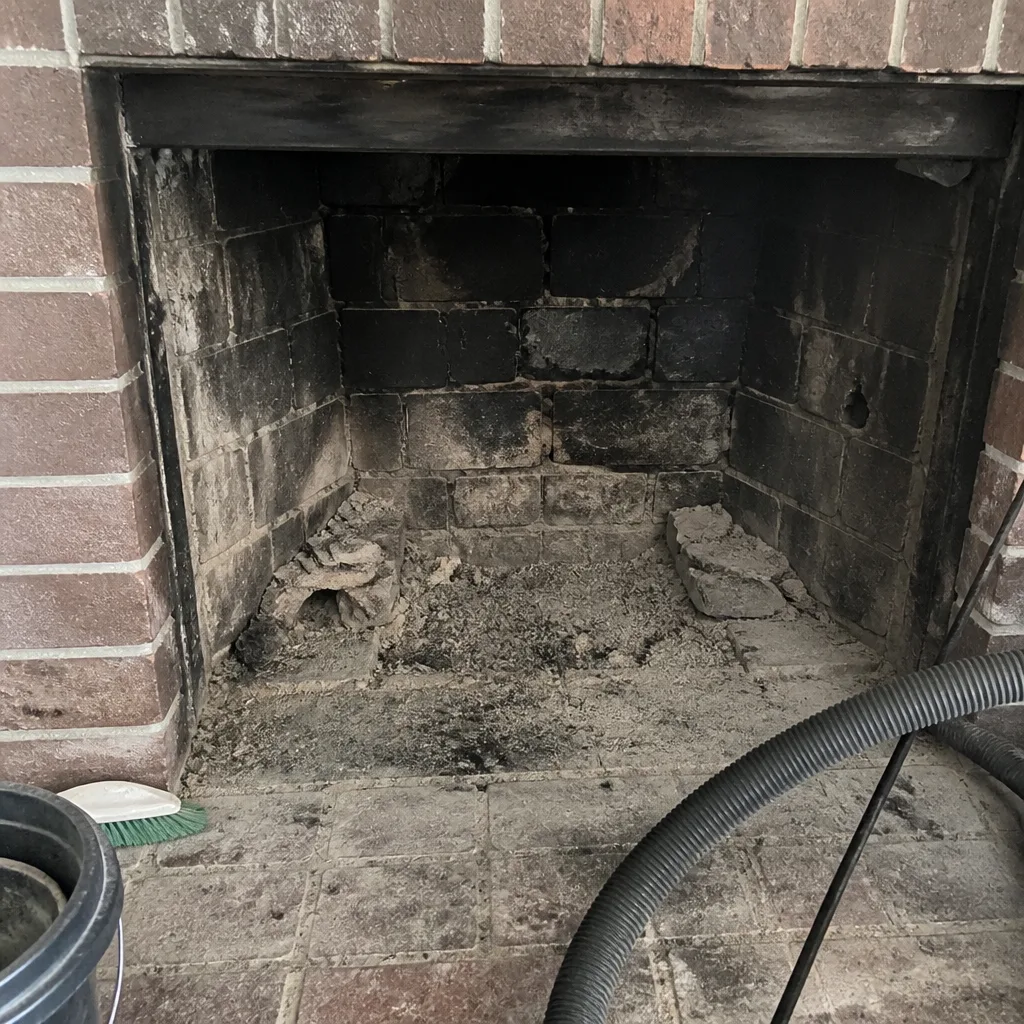 Before
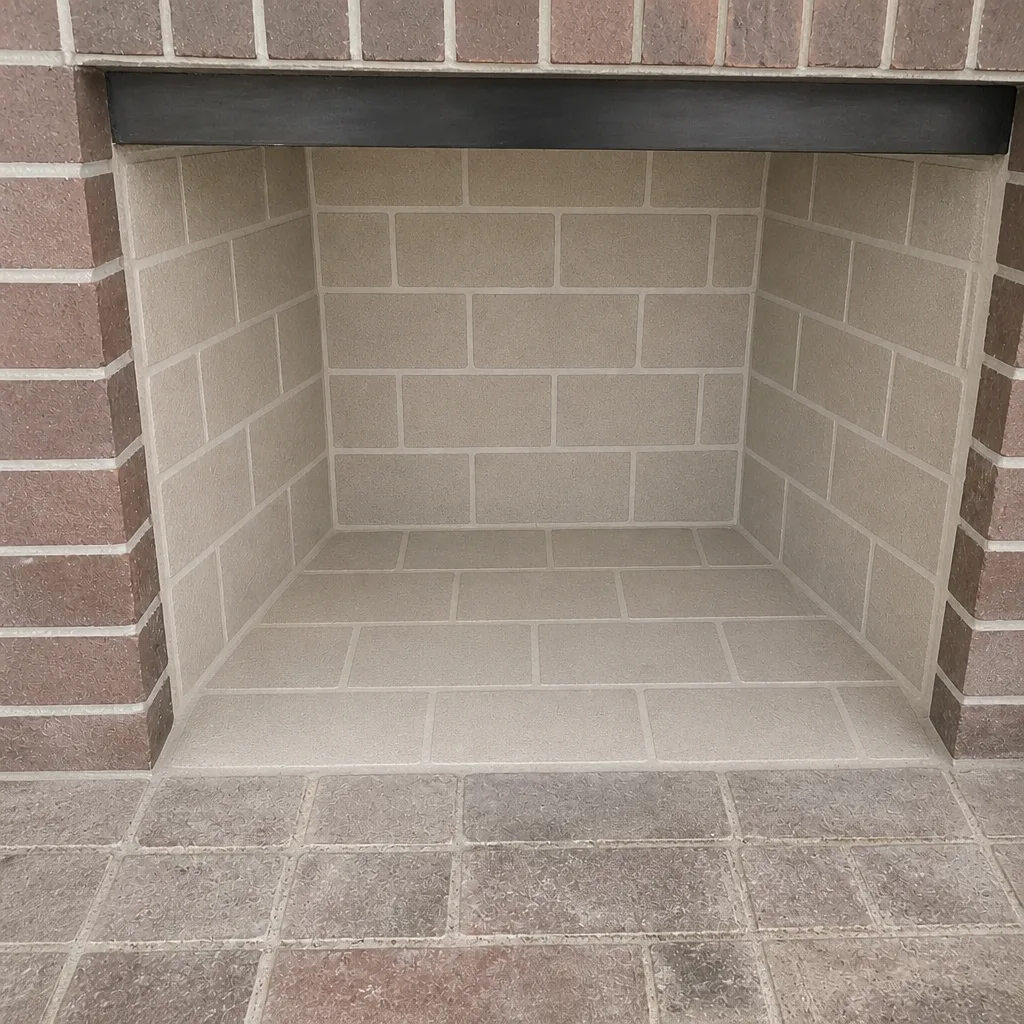 After
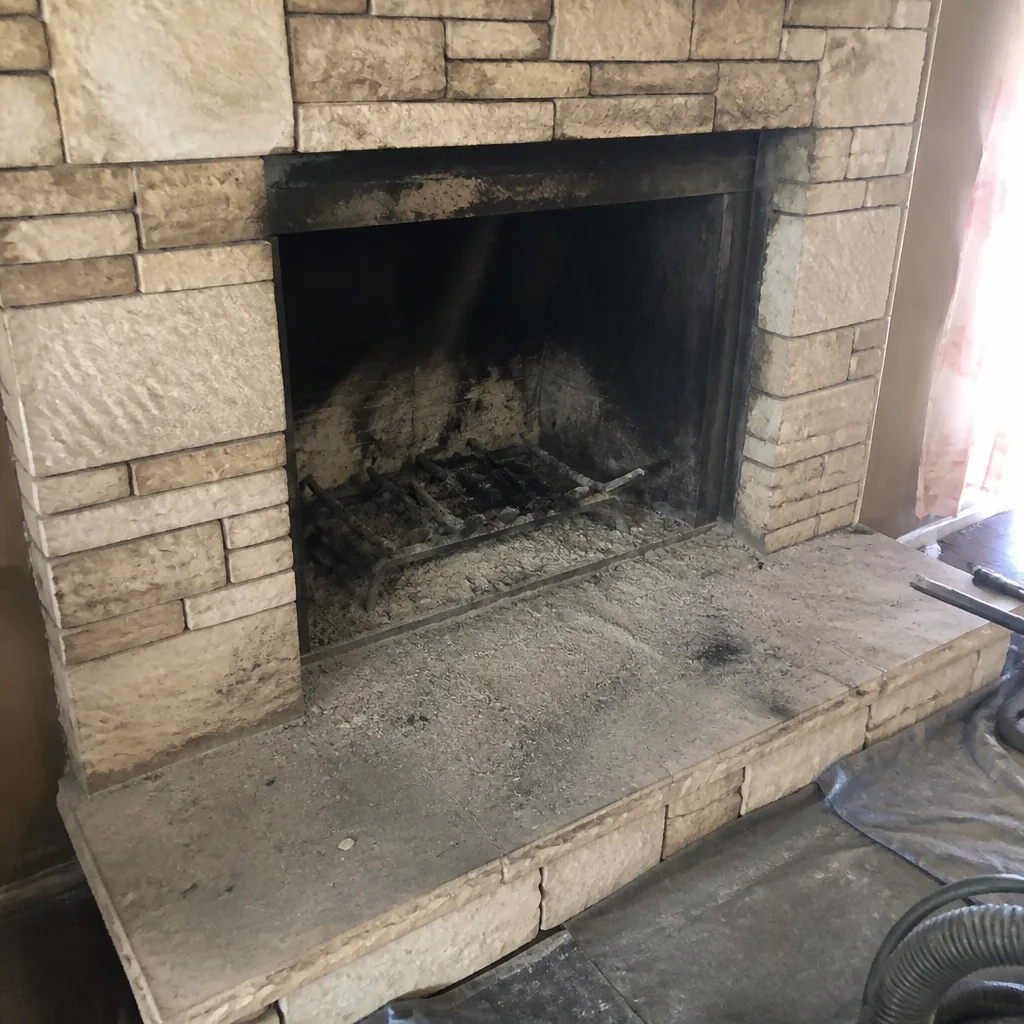 Before
 After
 Before
 After