
Last updated November 4, 2026
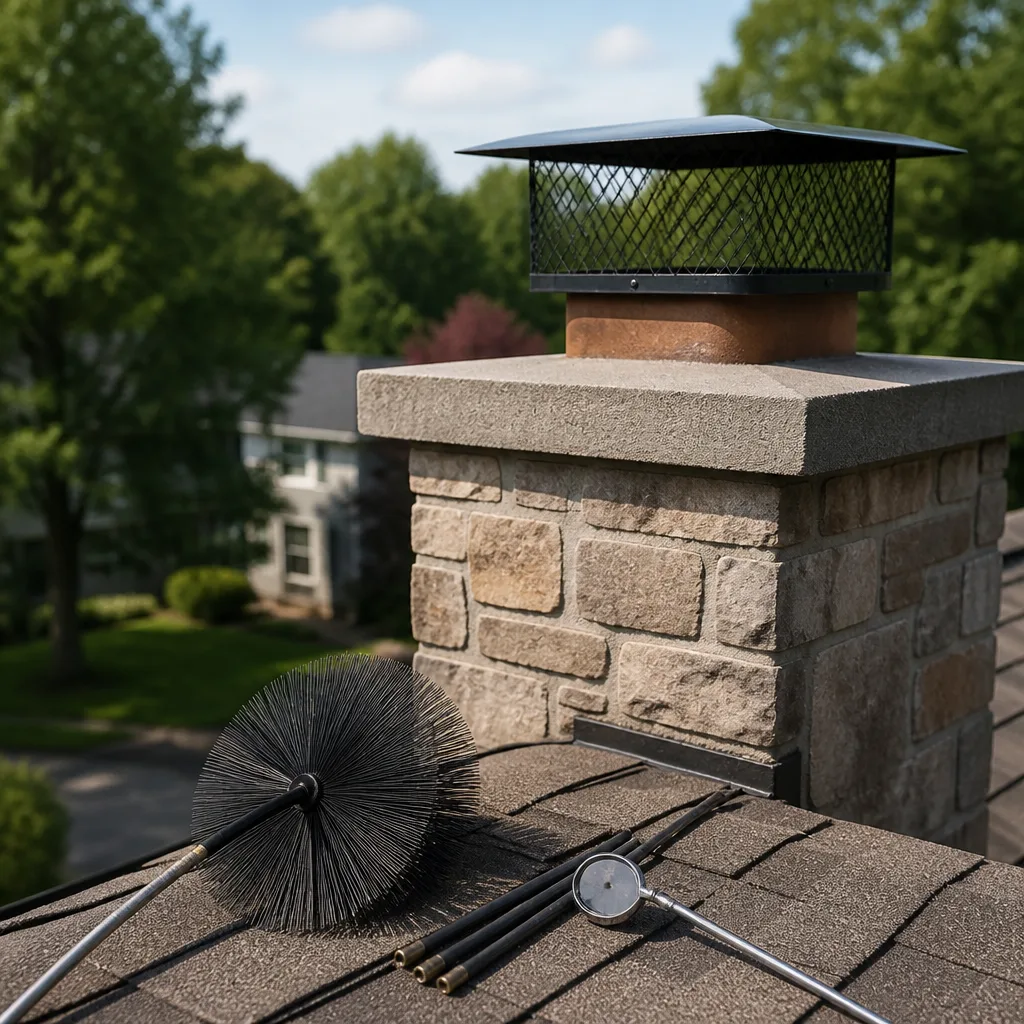 Sweep & inspection
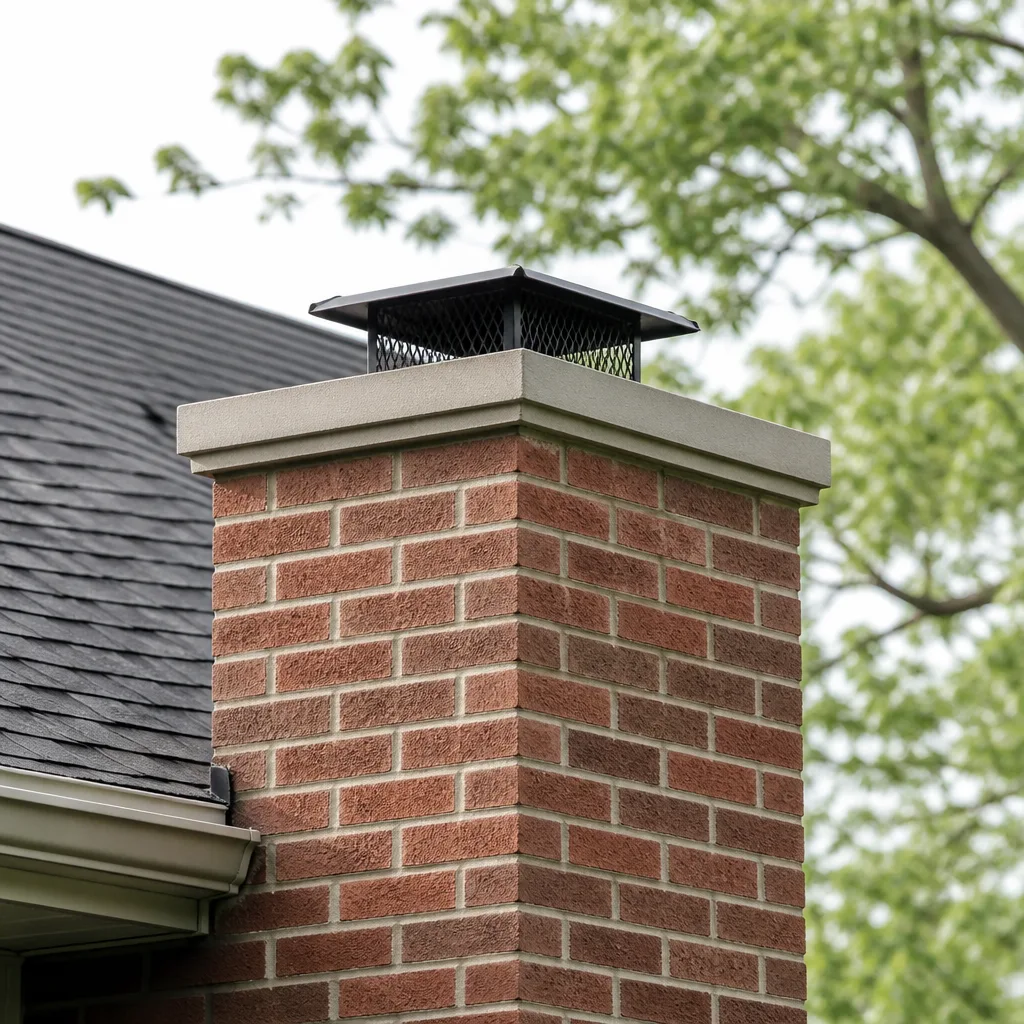 Caps & crowns
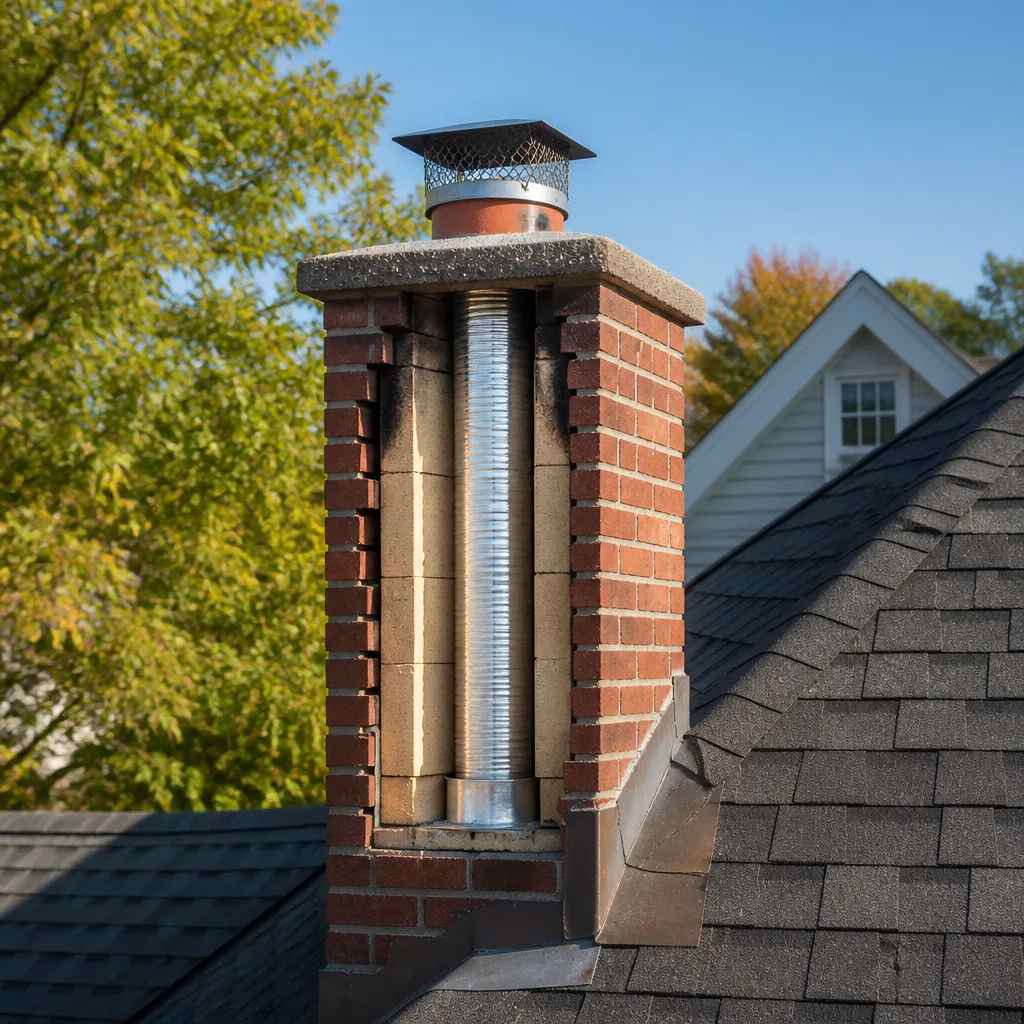 Flue relining
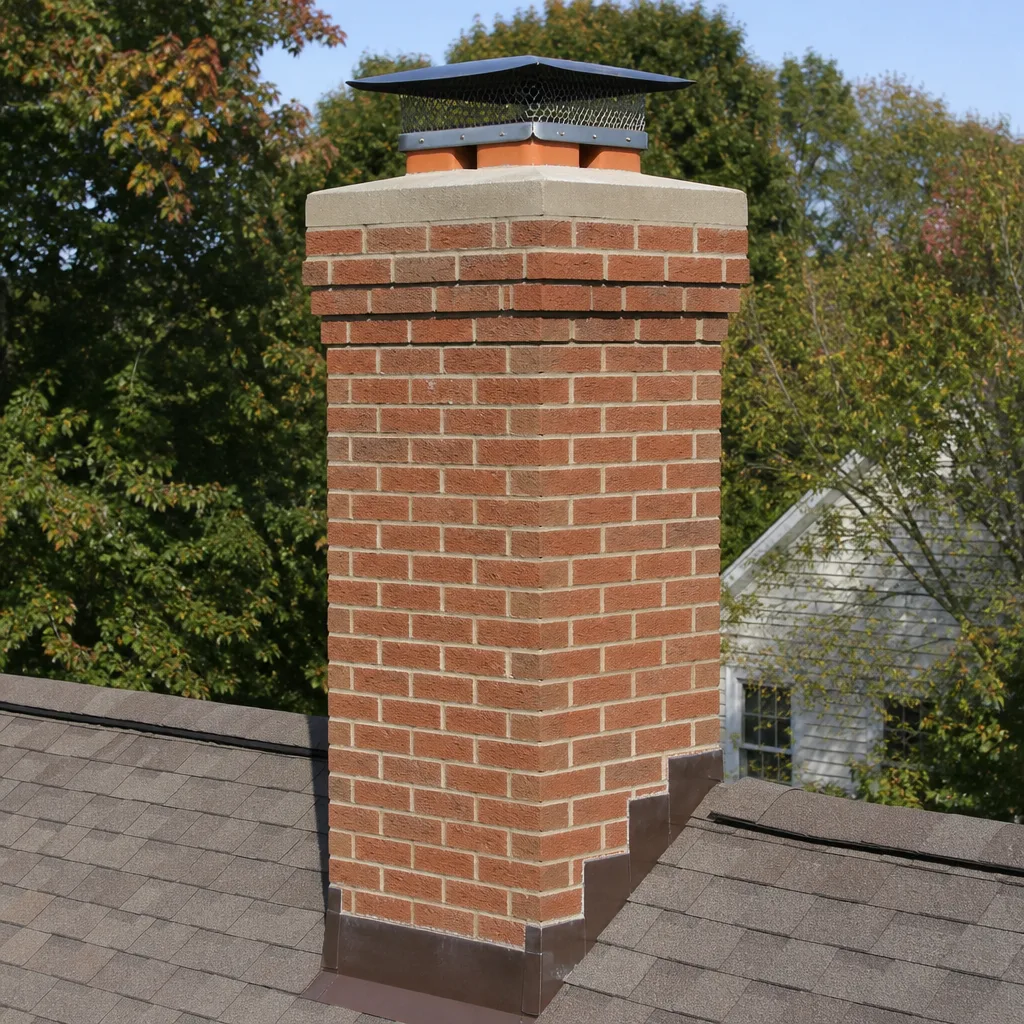 Masonry repair
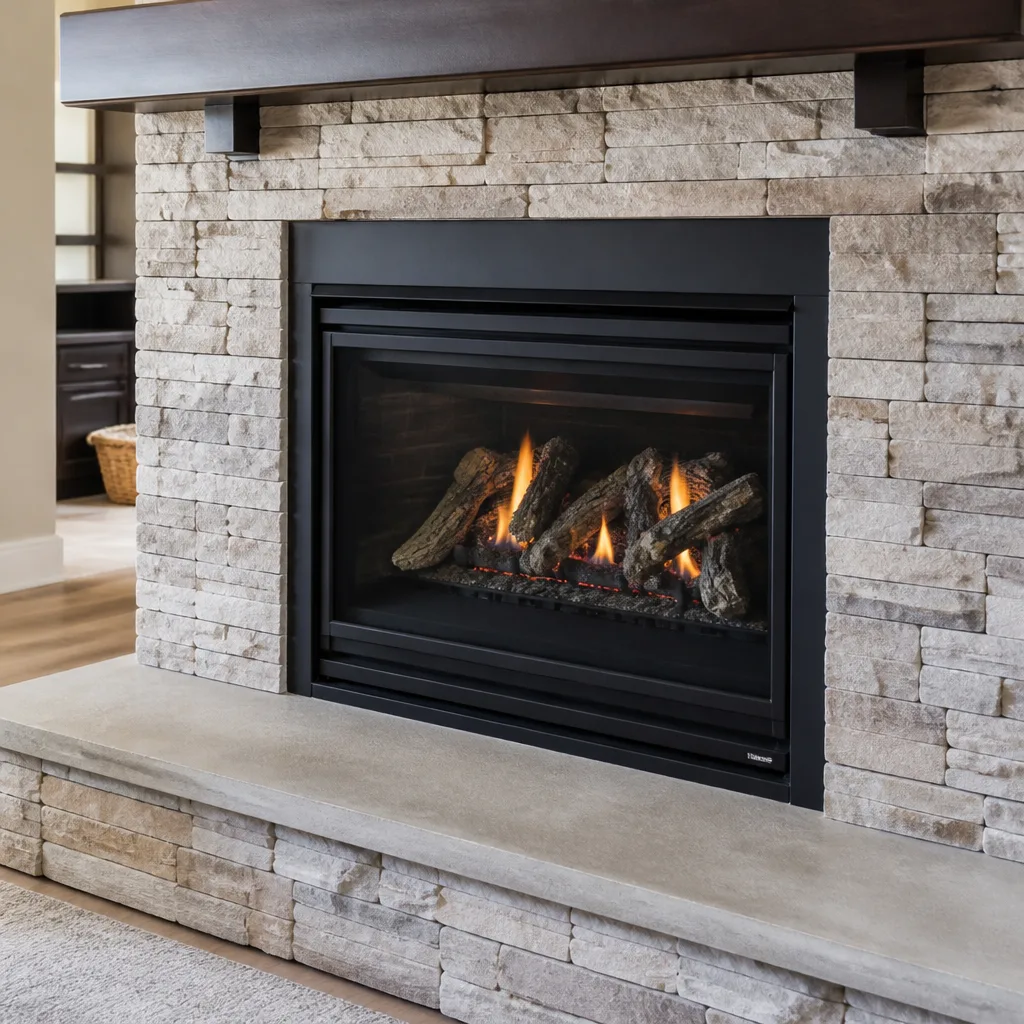 Gas fireplace service
Level 1 sweep and inspection to the NFPA 211 annual standard - flue, crown, cap, and flashing checked and photographed
Chimney sweep logs do not sweep chimneys. They loosen some creosote - which then falls where a brush and vacuum still have to collect it.
Chimney Sweep Maintenance Schedule: What to Do and When
Most maintenance advice you’ll find online starts from the same place: “get an annual inspection.” That’s fine advice, but it’s also incomplete. The National Fire Protection Association’s annual inspection standard was written for households that actually burn wood. If you lit two fires last winter, that schedule over-serves your flue and under-serves your chimney cap. The reverse is true if you burned four cords between November and March. What matters isn’t the calendar year. It’s burn frequency, fuel type, and the condition of components most Bellflower homeowners never think about until water starts staining the ceiling. This guide builds a maintenance schedule around how you actually use your fireplace, not a date on the wall.
Styles & brands we work with
- Sweep & inspection
- Caps & crowns
- Flue relining
- Masonry repair
- Gas fireplace service
Quick Answer
Most wood-burning chimneys should be swept after every 50 to 70 fires, which works out to once a year for a weekly winter burner and once every two to three years for an occasional user. Gas fireplace systems can typically go two to three years between inspections. Dryer vents need cleaning every 12 months regardless of how often you do laundry. The schedule that matters is the one matched to your usage tier, and it’s built around fire count, not calendar dates.
Table of Contents
- Three Usage Tiers: Find Your Schedule
- Components Homeowners Forget: Damper Plates, Chase Covers, and Firebox Mortar
- Why Southern California’s Rainy Season Changes Your Timeline
- What to Check Yourself Between Professional Visits
- Lifecycle Guide: What Gets Inspected vs. Replaced at 5, 10, and 20 Years
- Wood vs. Gas: Different Fuels, Different Schedules
- Dryer Vent Cleaning on the Same Calendar
- Common Mistakes to Avoid
- When to Call a Professional
- Frequently Asked Questions
- The Bottom Line
Three Usage Tiers: Find Your Schedule
Every chimney in Bellflower falls into one of three usage profiles. Figure out which one describes your household, and the maintenance schedule practically writes itself. We’ve found that homeowners who skip this step end up either paying for sweepings they don’t need or waiting too long between them. Here is how the tiers break down.
Tier 1: Occasional Burner (1-5 fires per year)
You light the fireplace on Christmas morning, maybe New Year’s Eve, and that’s about it. At this burn rate, creosote accumulates slowly. A full sweeping every two to three years is usually sufficient. But here’s what most people miss: your inspection should still happen every year. The reason is simple. If you rarely use the chimney, problems develop silently. A cracked cap lets rain in during the winter. A bird builds a nest in the spring. A damper rusts open. These issues have nothing to do with how often you burn. They have everything to do with how long your chimney sits unused and exposed. For occasional burners in Bellflower, the real risk isn’t creosote. It’s neglect of the exterior components that protect the flue year-round.
Tier 2: Moderate Burner (weekly in winter)
You build a fire most Friday or Sunday nights from late fall through early spring. That’s somewhere in the neighborhood of 20 to 30 fires per season. At this pace, creosote builds steadily, especially if you burn softwoods or less-than-seasoned wood. Plan on a professional chimney sweep once a year, ideally in late summer or early fall before the rainy season and the burning season collide. Mid-winter is fine too, but fall is better. You want the flue clean and the cap intact before Southern California’s wet December-through-February window puts your masonry to the test.
Tier 3: Active Wood-Burner (multiple fires per week, all winter)
You’re burning three or four cords a season. The fireplace is a primary heat source or a nightly ritual from November through March. At this intensity, creosote accumulation is significant, and the type of creosote matters. Hotter, more frequent fires can produce the hard, glazed variety that’s difficult to remove and highly combustible. Active burners should plan on two sweepings per year: one before the burning season and a mid-season check in January. The mid-season visit catches heavy buildup before it becomes a hazard and lets us assess whether your burning habits or wood supply are contributing to faster-than-normal accumulation. This is also the tier where a HeatShield assessment makes sense, because frequent hot fires accelerate wear on the flue’s interior surface.
Components Homeowners Forget: Damper Plates, Chase Covers, and Firebox Mortar
When we talk about chimney maintenance, most Bellflower homeowners picture a brush going up the flue. That’s the visible part. But a chimney is a system, and three components in that system fail more often than any others, while receiving almost no attention from the people who own them.
The Damper Plate
The damper sits just above the firebox and controls airflow. When it’s closed, it should seal tightly enough to keep conditioned air from escaping up the flue and outside air from dropping down into the living room. Over time, dampers warp from heat, rust from moisture, or seize from soot buildup. You’ll notice the handle gets harder to operate, or the damper no longer closes all the way. A damper that won’t seal properly wastes energy and invites moisture. It’s also one of the first things we check during any chimney sweep in Bellflower, because a failing damper often signals other moisture problems higher up the flue.
The Chase Cover
If your fireplace is a factory-built unit rather than a traditional masonry chimney, the metal housing on your roof is called a chase, and the cover on top is a chase cover. These are typically made of galvanized steel, and they rust through eventually. The problem is that a rusted chase cover often goes unnoticed until water has already run down the inside of the chase and damaged the firebox or ceiling below. We stock replacement covers and related components from Famco and Copperfield, brands built for this specific application. A chase cover should be inspected annually and replaced at the first sign of rust-through or warping.
Firebox Mortar Joints
The firebox is the brick or stone box where the actual fire burns. The mortar between those bricks takes a beating from direct flame exposure and the intense heat cycling of frequent fires. When mortar joints crack or crumble, two things happen: heat can reach combustible materials behind the firebox, and moisture can penetrate the structure. For active burners, these joints should be inspected at least twice a year. Minor cracking can be repointed with refractory mortar. Larger structural issues may require a full firebox rebuild. This is one of the areas where the inspection portion of your maintenance schedule matters more than the sweeping portion.
Why Southern California’s Rainy Season Changes Your Timeline
Bellflower gets most of its rainfall between December and February. That stretch of wet weather is exactly when a compromised chimney reveals itself. Water finds every crack, every failed mortar joint, every damaged cap. The problem with discovering a leak in January is that you’re dealing with it during the season when your chimney is most vulnerable and when masonry repairs are hardest to complete properly.
The smarter schedule is to have a capped inspection before the rain starts. For most homeowners, that means September through November. A pre-rain inspection accomplishes three things. First, it confirms the cap and flashing are intact enough to shed water. Second, it catches minor mortar or caulk issues before a wet winter turns them into major ones. Third, it gets your flue swept before burning season begins, so the first fire of the year happens in a clean chimney.
Bellflower seasonal rule: Book your inspection in late September or October. The mild Southern California fall gives us plenty of dry days for roof work, and you’ll go into the rainy season with a cap that’s been checked, flashing that’s been sealed, and a flue that’s ready to burn.
If you missed the fall window, don’t wait until spring. A dry January day is still a good day to have your chimney checked. The damage caused by one wet winter is almost always more expensive to fix than the inspection that would have prevented it. We’ve seen the difference repeatedly across Bellflower homes: the household that called us in October is spending on a sweep and maybe a small sealant job. The one that called in March is looking at a liner assessment or a repointing project.
What to Check Yourself Between Professional Visits
You don’t need to be a chimney professional to catch early warning signs. A few minutes of attention every month or two will tell you when it’s time to call us between scheduled visits. These checks are safe to do from the ground or inside the house. Never climb onto your roof for a DIY inspection.
- Cap condition from ground level. Use binoculars if you need them. Look for obvious rust, missing sections, or debris sitting on top. A bent or rusted cap is your first line of defense against both rain intrusion and animal entry.
- Damper handle operation. Open and close the damper at least once a month, even during the off-season. It should move smoothly and seat firmly. A damper that starts to bind or won’t close all the way needs attention.
- Smoke shelf debris after windstorms. Bellflower’s Santa Ana winds can send surprising amounts of debris down an unprotected flue. After a strong wind event, shine a flashlight up past the damper and look for leaves, twigs, or anything that shouldn’t be there.
- Water staining on the ceiling near the chimney. This is often the first interior sign of a failing chimney crown or flashing. Don’t ignore a faint water mark just because it’s small. It means water is already getting in.
- Odor from the fireplace in humid weather. A musty or smoky smell when the fireplace isn’t in use suggests moisture in the flue and trapped creosote. This is more common during Bellflower’s wetter winter months.
- Lint accumulation around the dryer vent hood outside. If you can see lint building up on the exterior vent or around the dryer itself, the interior duct is likely worse. This is a sign it’s time for a professional dryer vent cleaning.
These checks don’t replace professional service, but they do tell you when to move a scheduled appointment earlier. A homeowner who catches a cracked cap in February and calls us then is always better off than one who discovers it in December.
Lifecycle Guide: What Gets Inspected vs. What Gets Replaced at 5, 10, and 20 Years
Every masonry chimney ages through a fairly predictable cycle. Understanding where your chimney falls in that cycle helps you budget and plan. Here is what we look at on a typical Bellflower home at each stage.
Years 1-5: The Inspection Phase
If your chimney is under five years old or was recently rebuilt, the focus is entirely on inspection. We’re checking that the original installation or repair is holding up: flashing sealed properly, cap seated correctly, mortar curing without cracks. For factory-built fireplaces, this is when installation issues show up if they’re going to. Sweeping frequency follows your usage tier. No replacement parts should be needed unless there was a defect or a weather event caused damage.
Years 5-10: First Repairs Appear
This is the window when minor repairs typically begin. The damper may need replacement or adjustment. The chimney cap may show rust and need swapping. Firebox mortar joints might need their first repointing if you’re a moderate to active burner. For a factory-built unit, this is when the chase cover often starts to fail. None of these repairs are unusual or alarming. They’re expected wear items. Catching them at this stage, before they compound, is the entire point of the annual or bi-annual inspection.
Years 10-20: Structural Assessment
Beyond the ten-year mark, we start looking hard at the flue liner itself. Clay tile liners eventually crack, especially in chimneys that have seen a lot of hot fires or a few chimney fires. At this stage, a camera inspection tells us what’s really happening inside the flue. Depending on what we find, the fix may be a resurfacing with HeatShield, which restores the interior surface of a deteriorating flue. Or it may be a full relining with a DuraFlex liner system. Both approaches extend the life of the chimney significantly. A chimney that reaches twenty years without a liner issue is doing well, but it’s still worth a close look.
Beyond 20 Years: Rebuild Decisions
At this age, the chimney may still be entirely serviceable with proper maintenance, or it may need substantial work. We look at the crown, the flashing, the firebox, and the liner as one system. Sometimes the right call is a full rebuild. Sometimes it’s a liner replacement plus a crown repair and another decade of service. The honest answer comes from a camera inspection and a hands-on assessment, not from an age table. That said, a twenty-year-old masonry chimney in Bellflower that hasn’t been regularly maintained should be treated as suspect until proven otherwise.
Wood vs. Gas: Different Fuels, Different Schedules
Gas fireplaces don’t produce creosote, but they have their own maintenance needs, and they’re often overlooked entirely because homeowners assume “no creosote means no maintenance.” That assumption is wrong in ways that matter.
A gas fireplace produces water vapor as a byproduct of combustion. Over time, that moisture interacts with the flue interior, which is often a metal liner on a gas system. Moisture plus combustion gases equals acidic condensation, and that’s what corrodes gas flue liners from the inside. The other part that fails on gas systems is the gas log set itself: burners clog, thermocouples wear out, and pilot assemblies need attention.
For a gas fireplace, plan on a professional inspection every two to three years. The inspection should include the flue, the vent termination on the roof, and the operation of the gas components. If you notice soot on the glass or a yellow flame instead of a blue one, call sooner. Those are signs of incomplete combustion that need a professional’s eye. We work with Gelco and Olympia Chimney components for venting and cap replacements on gas systems, which gives us access to the right materials rather than whatever happens to be on a big-box shelf.
One more thing worth saying: a gas fireplace has never burned wood, so the flue should never have creosote in it. If it does, someone has been burning something they shouldn’t, or there’s an animal nesting in the flue. Both scenarios require a professional look.
Dryer Vent Cleaning on the Same Calendar
Your dryer vent moves hot, moisture-laden air from your laundry room to the outside. Lint gets trapped in that vent, and lint is flammable. The National Fire Protection Association identifies failure to clean dryer vents as the leading cause of home clothes dryer fires. That’s not a quarterly recommendation or an optional service. It’s the single most ignored fire hazard in the average American home, and it’s ignored precisely because the vent is out of sight.
We recommend a professional dryer vent cleaning every twelve months for every household in Bellflower, regardless of how many loads of laundry you do. The schedule doesn’t change much with usage, because lint accumulates faster than people expect, and the vent run in many local homes is longer than it should be, which makes buildup faster and airflow slower. A vent that’s partially blocked also makes your dryer work harder, which shortens the life of the appliance and raises your energy use.
The service itself is straightforward: we clean the entire vent run from the dryer connection to the exterior termination, and we confirm airflow with a measurement at the outside vent. If we find damage or separation in the duct, we’ll tell you and show you. Chimney Sweep Bellflower handles chimney sweeping, chimney repair, and dryer vent cleaning as one specialist team, which means the same people who understand flue dynamics also understand vent airflow. They’re related systems, and it helps to have one contractor who treats them that way.
Common Mistakes to Avoid
- Assuming no fires means no maintenance. An unused chimney still takes on water, still attracts animals, and still needs its cap and flashing inspected annually. In Bellflower’s rainy winter months, an unused chimney with a failed cap can cause more damage than a used one with heavy creosote.
- Burning unseasoned wood. Green wood produces more smoke, more creosote, and less heat. If you’re a regular burner in Bellflower, know where your wood comes from and how long it’s been split and stacked. Wet wood is the fastest way to a dirty flue.
- Ignoring the damper between seasons. A damper that’s left open all summer wastes conditioned air and lets humidity into the flue. A damper that’s rusted shut gets discovered in November when you want the first fire. Exercise the damper year-round.
- Waiting for a visible problem before calling. By the time you see water stains on the ceiling or smell smoke in the house, the problem has already been developing for months. The maintenance schedule exists precisely so you don’t have to wait for a symptom.
- Having the chimney swept but skipping the inspection. A sweep cleans the flue. It doesn’t tell you whether the cap is rusting, the flashing is failing, or the firebox mortar is cracking. Both are part of the same visit, but only if you ask for both.
- Using the fireplace with a known issue because “it’s not that bad yet.” A cracked flue tile doesn’t fix itself, and a failing damper doesn’t get less expensive to replace. If a professional has identified a problem, the schedule has already spoken: fix it sooner, not later.
When to Call a Professional
Some maintenance tasks are yours. Most aren’t. Call a professional if you see water staining near the chimney, smell smoke when the fireplace isn’t in use, notice a strong odor coming from the fireplace during humid weather, or haven’t had the system inspected in over two years. The same goes for any dryer vent that hasn’t been cleaned in over twelve months, especially if clothes are taking longer to dry. Chimney Sweep Bellflower offers free estimates for chimney sweeping, chimney repair, and dryer vent cleaning throughout Bellflower. Call (866) 632-0270. We answer 24/7. Fast dispatch from 7am to 7pm, Sunday through Friday.
Frequently Asked Questions
Most wood-burning chimneys should be swept after every 50 to 70 fires, which means once a year for a weekly winter burner and every two to three years for an occasional burner. Gas fireplaces can go two to three years between inspections. Call (866) 632-0270 for a free estimate tailored to your actual burn frequency.
An inspection examines every component of the chimney system – cap, flashing, liner, damper, firebox – for damage or wear. A sweep removes creosote and soot from the flue. The two are done together in a single visit, and in our experience, a sweep without an inspection misses most of what’s actually wrong with a chimney. Call (866) 632-0270 to schedule both.
Yes. An unused chimney is still exposed to rain, wind, animals, and humidity. A failed cap or cracked flashing lets water into the flue and surrounding structure even when no fire is ever lit. Annual inspection for exterior condition is the minimum for any chimney, regardless of usage.
A standard sweeping and inspection typically takes one to two hours, depending on the size of the chimney, the amount of creosote, and whether any repairs are identified. Camera inspection of the flue adds time, but it’s the only way to see what’s happening behind the brick. Call (866) 632-0270 to schedule a sweep at your Bellflower home.
That smell is moisture mixed with creosote or soot inside the flue. It typically means water is getting past the cap or flashing, or the flue has absorbed moisture through cracked masonry. A professional can identify the entry point and recommend the fix, whether it’s a replacement cap from Olympia Chimney or a flue resurfacing with HeatShield.
Clothes take longer to dry, the dryer feels hot to the touch, the outside vent flap doesn’t open fully, or you can see lint accumulating around the exterior vent hood. If it’s been over twelve months since the last cleaning, schedule one regardless of symptoms. Call (866) 632-0270 for dryer vent cleaning in Bellflower.
The Bottom Line
A chimney maintenance schedule built around calendar dates alone gets it wrong for most Bellflower homes. The occasional burner over-spends and the active burner under-protects. Figure out your usage tier, know which components you’re checking, and time your professional visits around the rainy season and the burning season. Wood burners need a sweep every 50 to 70 fires. Gas systems need a look every couple of years. Dryer vents need annual cleaning whether or not you think they do. If you’ve been guessing at any of it, stop guessing. Call (866) 632-0270. We answer 24/7. Fast dispatch from 7am to 7pm, Sunday through Friday. The estimate is free.
Written by the team at Chimney Sweep Bellflower, serving Bellflower since 2017.
See the difference
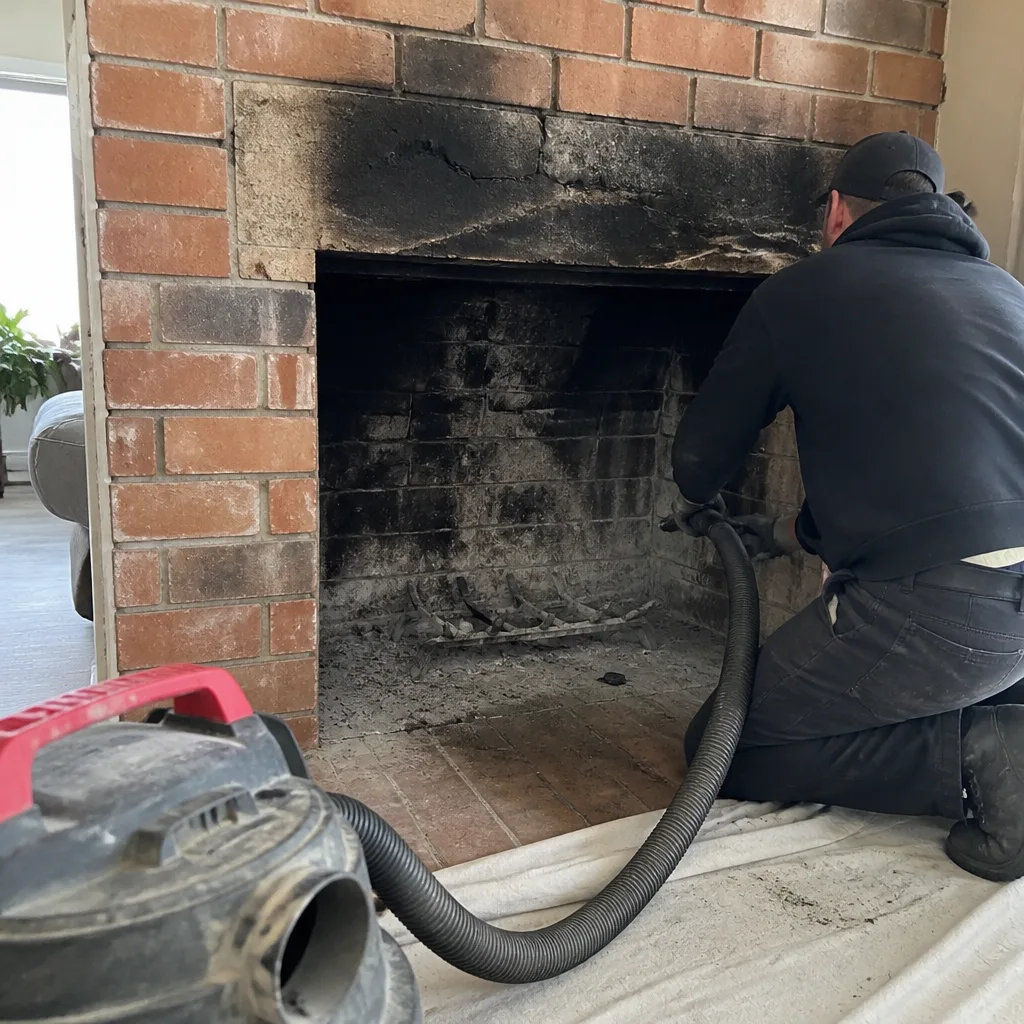
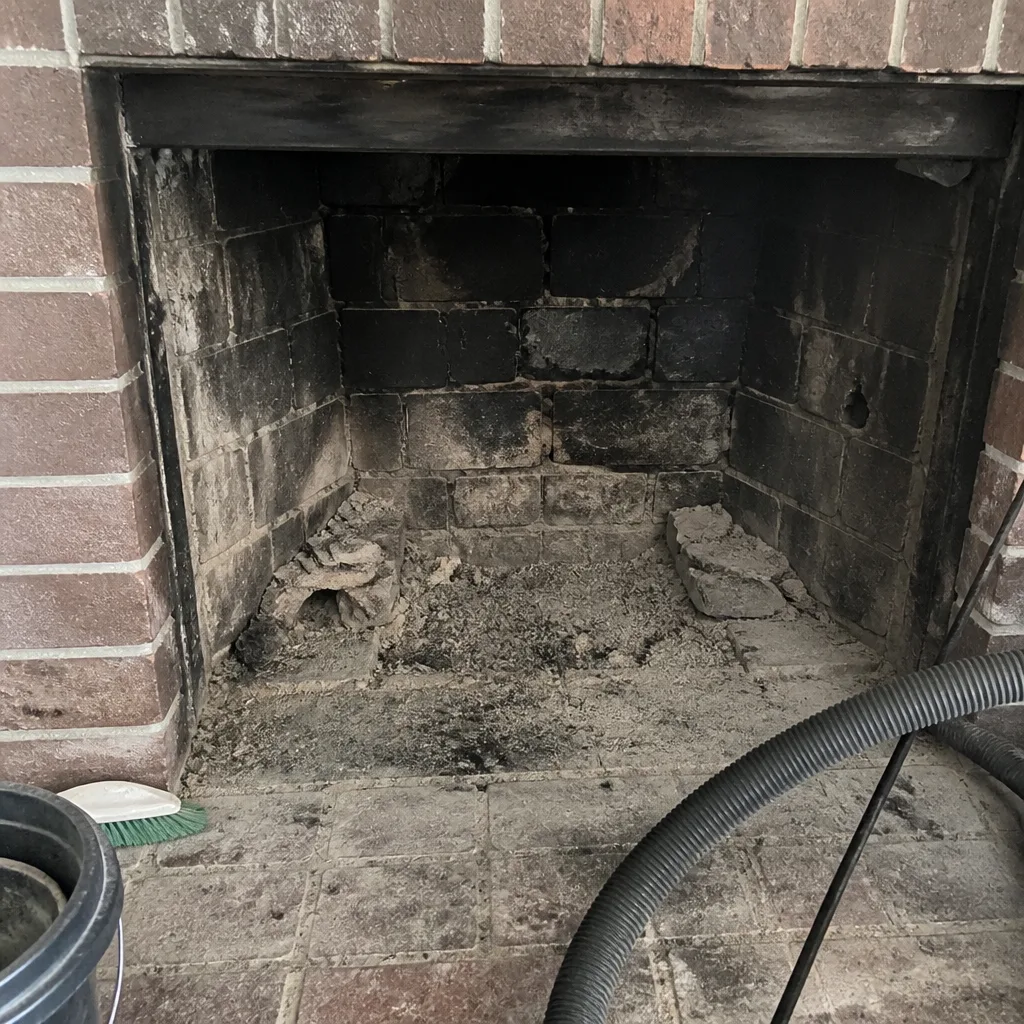 Before
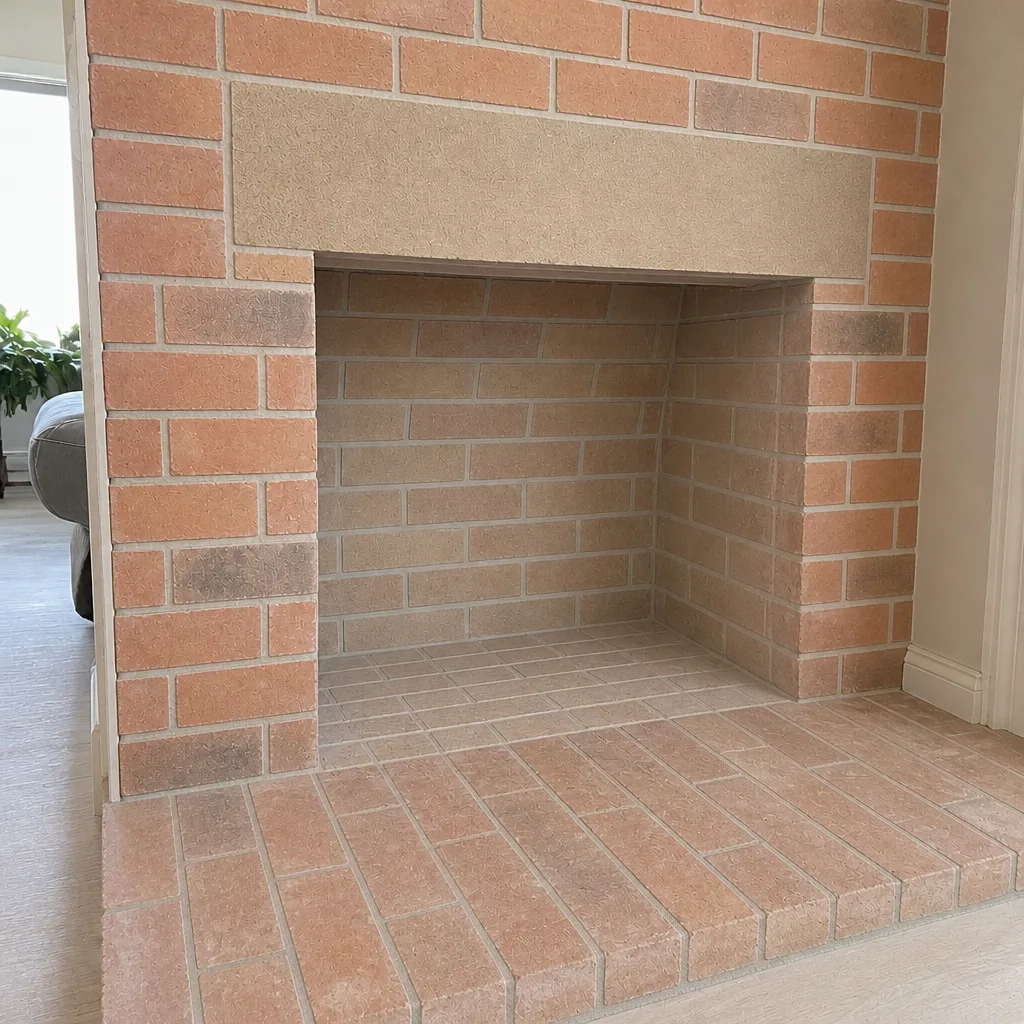
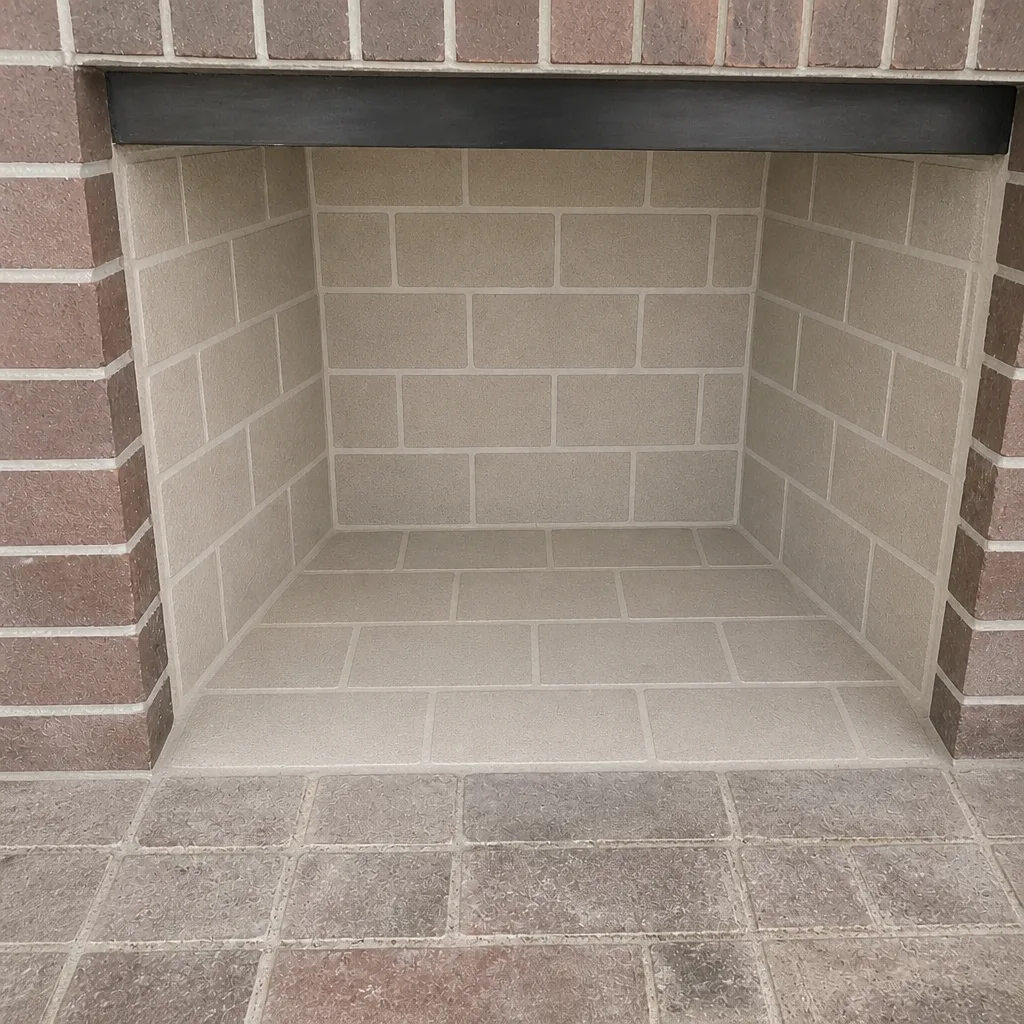 After
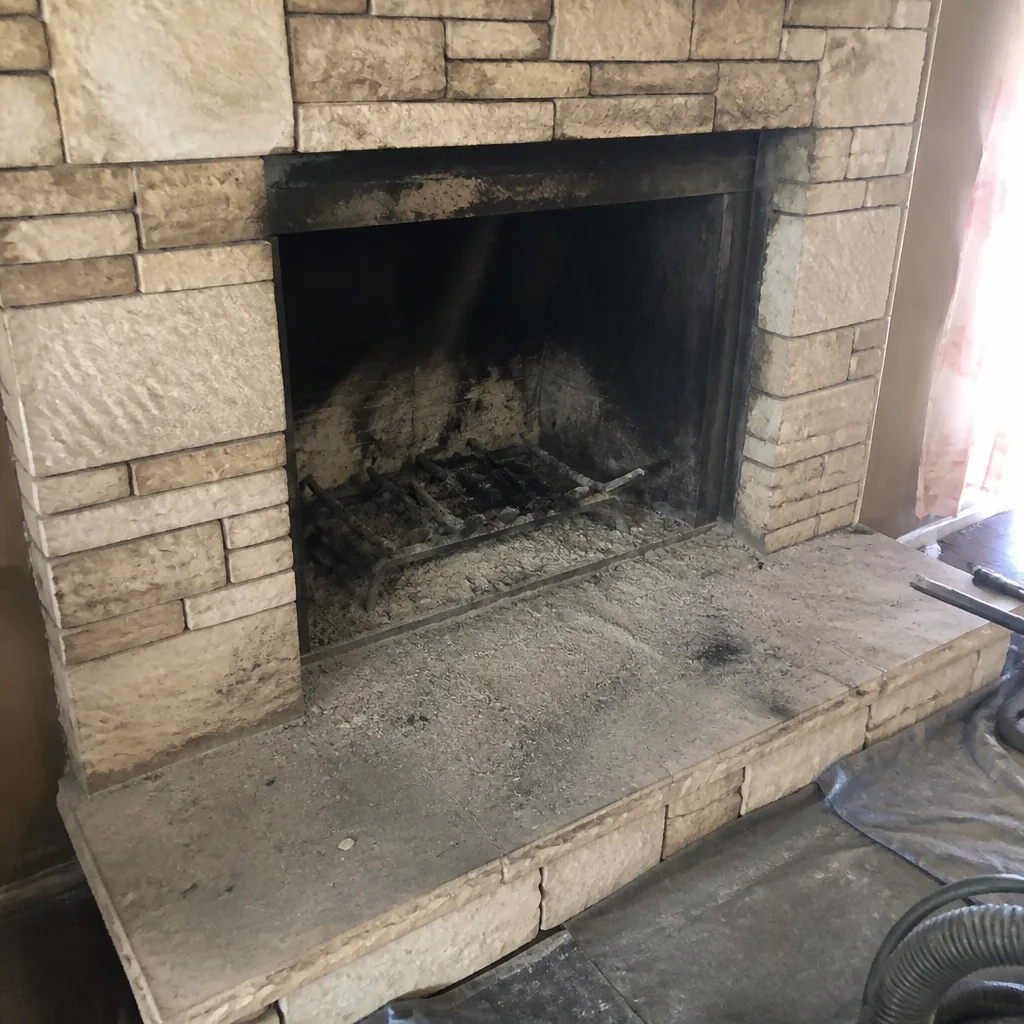 Before
 After
 Before
 After