
Last updated November 4, 2026
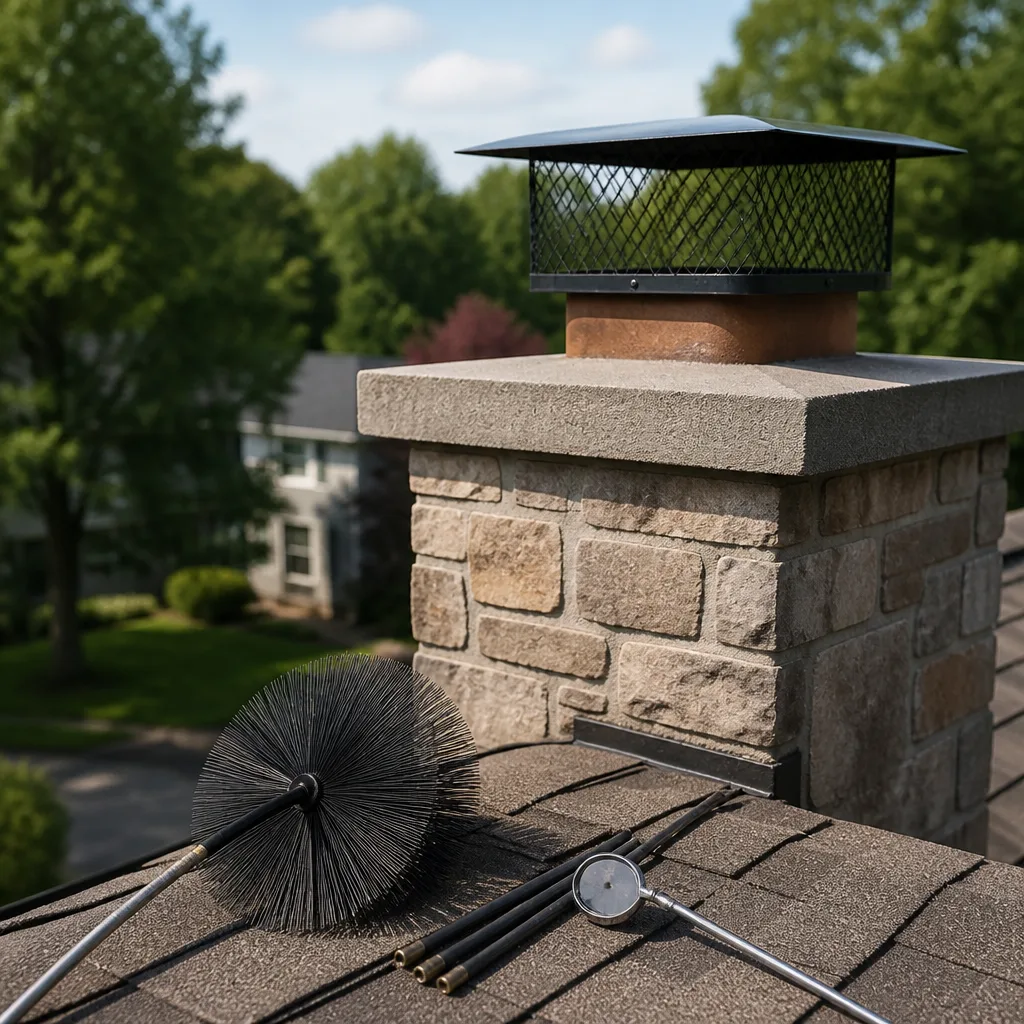 Sweep & inspection
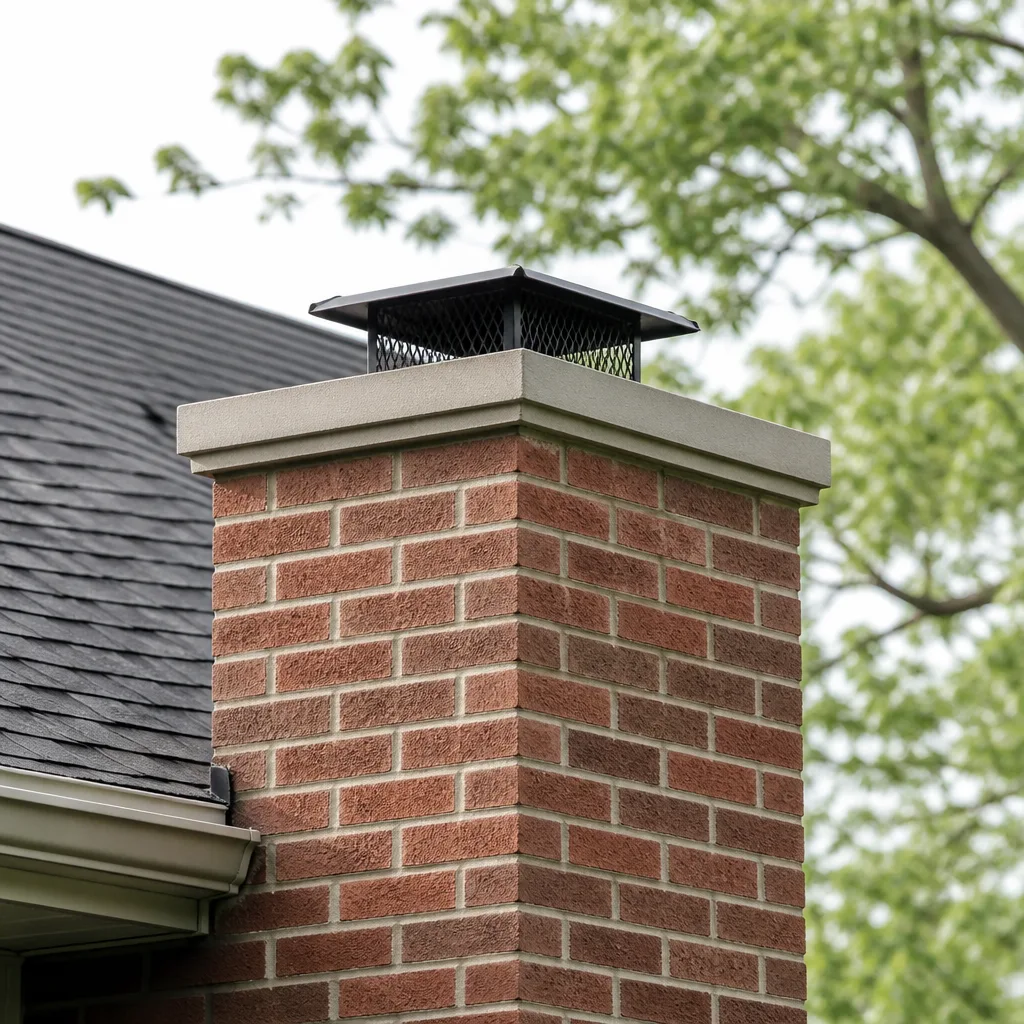 Caps & crowns
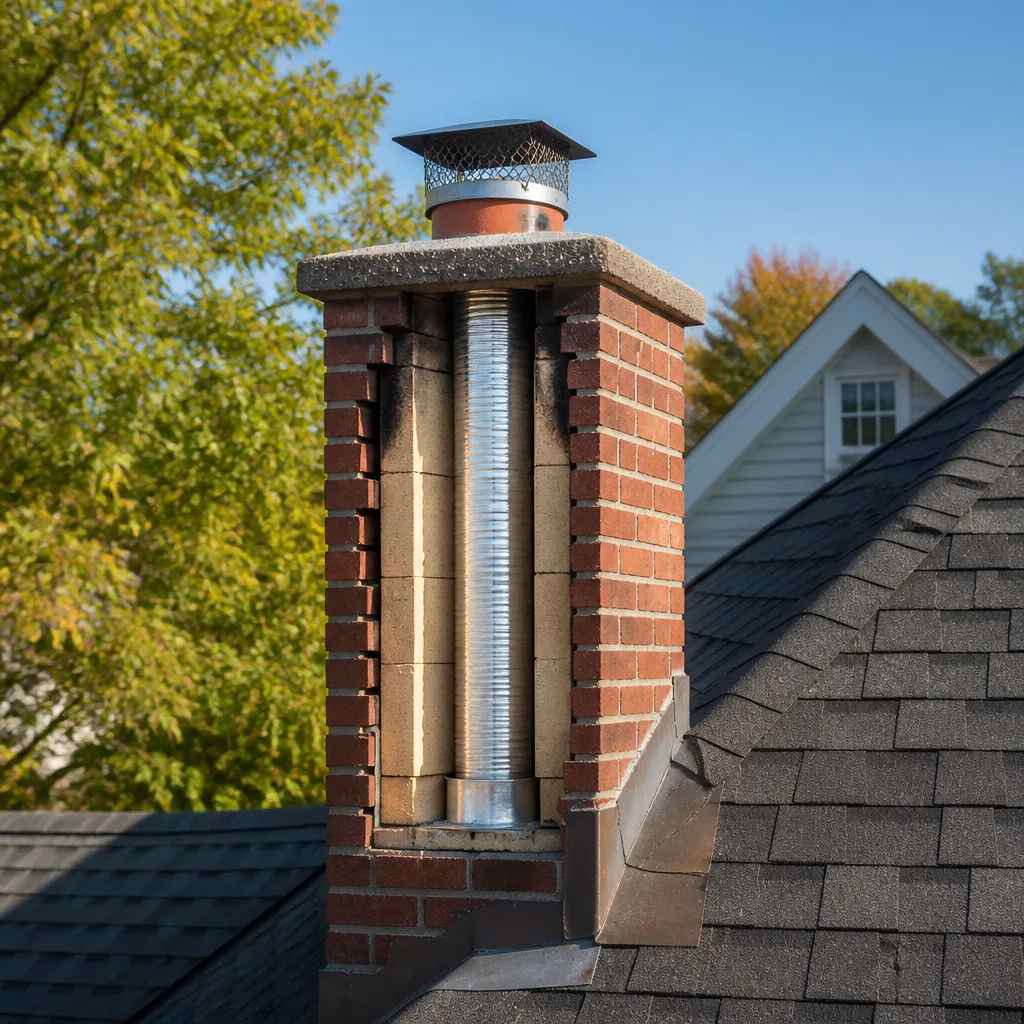 Flue relining
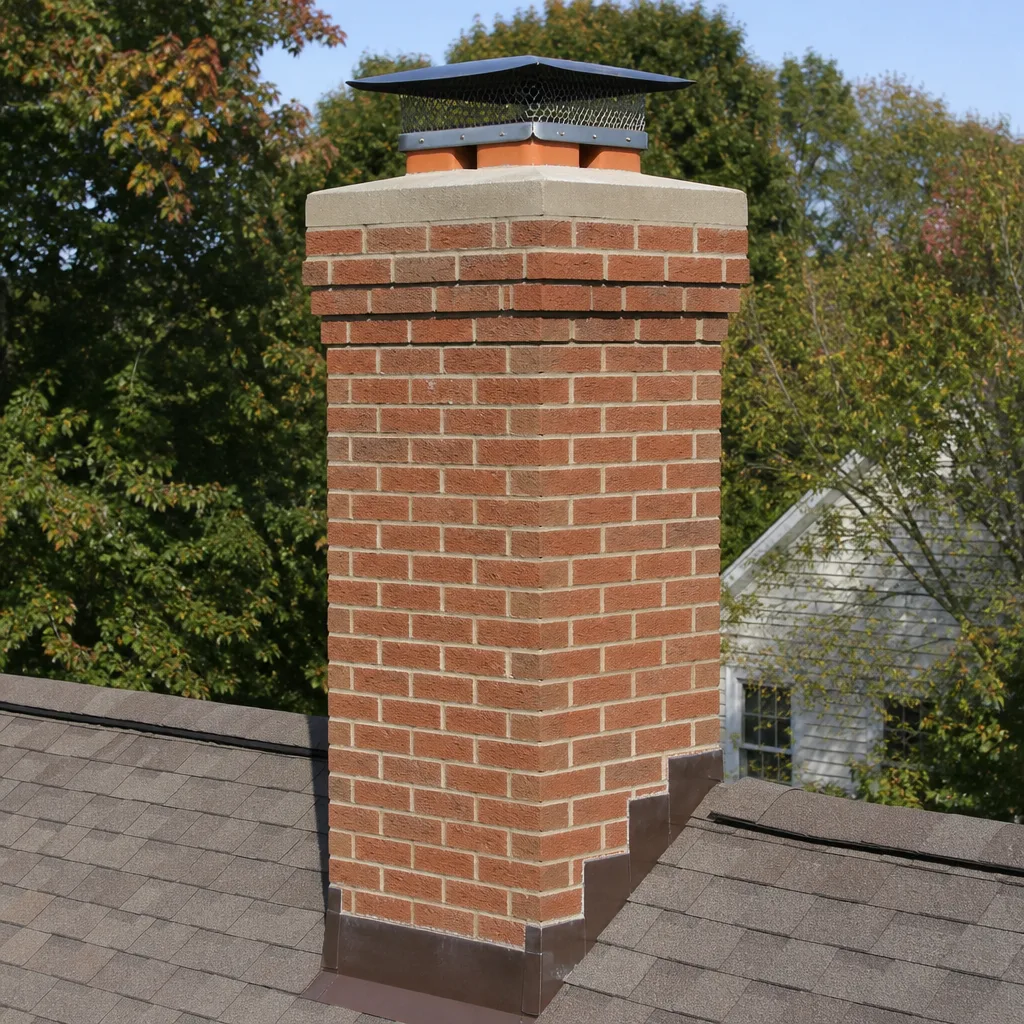 Masonry repair
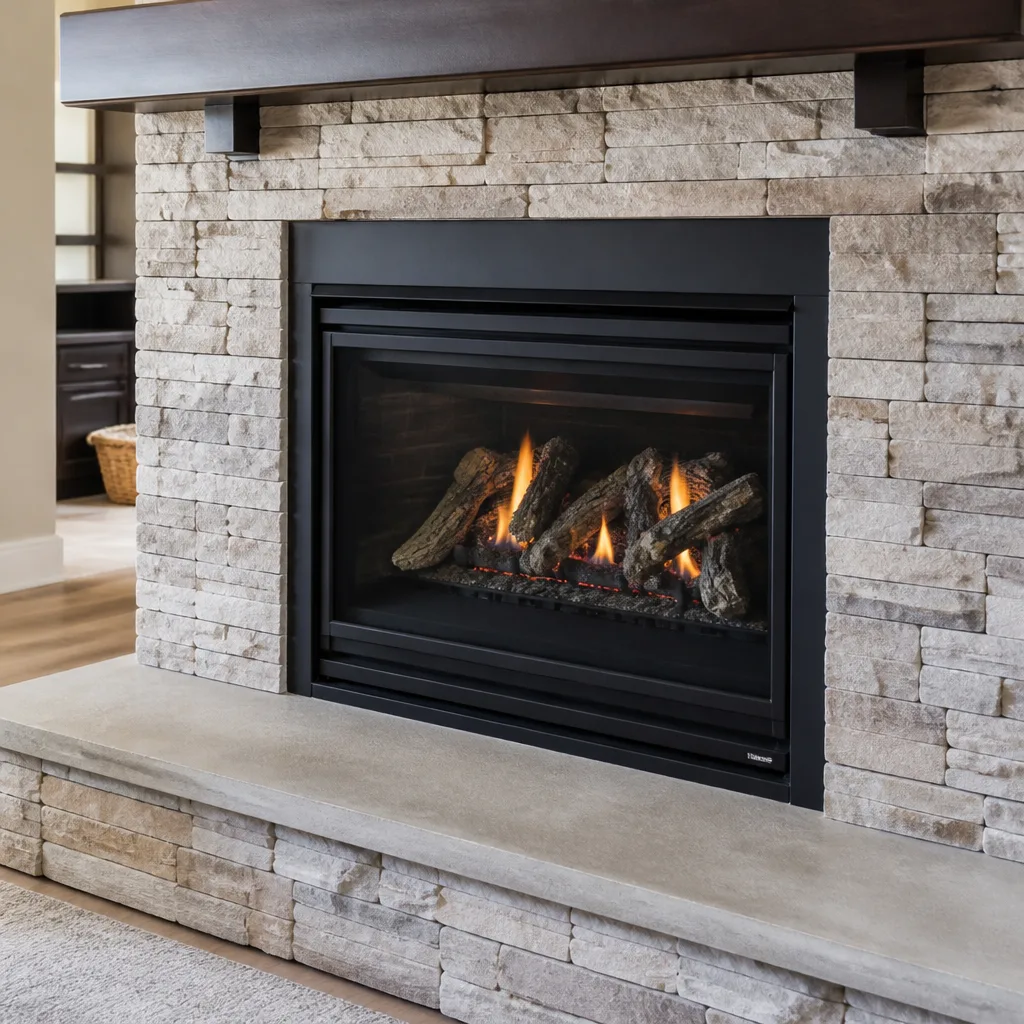 Gas fireplace service
Level 1 sweep and inspection to the NFPA 211 annual standard - flue, crown, cap, and flashing checked and photographed
Chimney sweep logs do not sweep chimneys. They loosen some creosote - which then falls where a brush and vacuum still have to collect it.
Choosing the Right Chimney Cleaning Brand: A Buyer’s Guide for Bellflower
A chimney sweep who doesn’t know what brand of liner they’re installing, or what chemical they’re applying to Stage 2 creosote, isn’t vague by accident. They’re using whatever was cheapest at the hardware store, and in Bellflower, where most homes were built between the 1940s and 1970s, that shortcut lands on aging flues that don’t forgive substandard materials. This guide explains the professional supply brands that set the standard for chimney work, so you can ask informed questions and recognize when a contractor is working below the bar.
Styles & brands we work with
- Sweep & inspection
- Caps & crowns
- Flue relining
- Masonry repair
- Gas fireplace service
Quick Answer
The brands that matter most in chimney cleaning are the ones you never see on a retail shelf: professional liner systems like DuraFlex, resurfacing materials like HeatShield, and industrial-grade brushes and chemical treatments from supply houses rather than big-box stores. For Bellflower homeowners, choosing the right chimney cleaning brand means asking your contractor what liner material they install, what creosote treatment they apply, and whether their tools are professional-supply or retail-grade. A contractor who can name their materials and explain why they chose them is almost always a contractor worth hiring.
Table of Contents
- Why the Brand on the Brush and Liner Actually Matters
- How to Evaluate Chimney Liner Brands: UL 1777 and What It Actually Certifies
- Professional-Supply Brushes vs. Retail-Grade Tools: Wire Gauge, Trim Material, and Liner Safety
- Chemical Creosote Treatments: Rutland Liquid Creosote Remover vs. Anti-Creo-Soot
- Crown and Cap Materials: Galvanized vs. Stainless vs. Copper in Southern California
- Questions to Ask a Contractor About Their Materials Without Sounding Adversarial
- Why One Specialist for the Full System Changes the Materials Conversation
- Common Mistakes to Avoid
- When to Call a Professional
- Frequently Asked Questions
- The Bottom Line
Why the Brand on the Brush and Liner Actually Matters
Most Bellflower homeowners approach chimney cleaning the way they approach hiring a painter: the person matters, the paint doesn’t. That logic breaks down fast with chimneys. A painter using cheap paint gives you a room that needs repainting sooner. A chimney contractor using cheap liner material or the wrong chemical treatment gives you a flue that can crack, leak combustion gases, or hold creosote that should have been removed. Fire safety starts in the flue, and the flue is only as good as what goes into it.
Here’s what professionals know that homeowners don’t: the chimney supply chain splits into two distinct worlds. There’s the retail world of home centers and hardware stores, where products are designed for occasional use by do-it-yourselfers. And there’s the professional supply world, where contractors source brushes, rods, liners, caps, and chemical treatments built for daily use across hundreds of jobs per year. The difference isn’t branding or marketing. It’s material spec. Professional-grade liner systems like DuraFlex are fabricated from specific stainless steel alloys and tested to UL 1777, the standard that governs chimney lining systems. Retail-grade flexible liners often carry no listing at all.
Chimney Sweep Bellflower works with a curated roster of professional-tier brands: DuraFlex, HeatShield, Gelco, Olympia Chimney, Famco, and Copperfield. These aren’t names you’ll find on a big-box shelf. They’re supply-house brands that certified chimney trades rely on because the materials hold up under repeated thermal cycling and real flue conditions. When we quote a relining job in Bellflower, we specify the liner brand and thickness in the written estimate, because you should know exactly what’s going into your home before the work starts.
For a comprehensive chimney sweep that includes material transparency and camera inspection, call (866) 632-0270. We answer 24/7. Fast dispatch from 7am to 7pm, Sunday through Friday.
How to Evaluate Chimney Liner Brands: UL 1777 and What It Actually Certifies
“UL 1777 listed” is the single most important phrase to look for when evaluating a chimney liner brand, and most homeowners don’t know what it means. UL 1777 is a safety standard from Underwriters Laboratories that tests chimney lining systems for fire resistance, structural integrity under high heat, and ability to contain combustion gases. A liner that carries UL 1777 certification has passed independent testing to prove it does what a liner is supposed to do: keep heat and gases inside the flue and away from combustible framing.
An unlisted import liner, which is common in the discount market, carries no such proof. It may look identical to a professional-grade liner on the outside. The difference lives in the alloy composition, the weld quality, and the thickness of the material. A listed liner from a brand like DuraFlex is fabricated to a known specification and tested against that specification. An unlisted liner is fabricated to a price point. In Bellflower’s older homes, where flues were built with terra cotta tile that cracks over decades of use, the liner is the only barrier between combustion gases and your walls. That’s not a place to gamble on untested material.
Here’s what to verify when a contractor quotes a liner:
- Ask for the brand name. A professional contractor names the liner brand without hesitation. “Generic flexible liner” is a red flag.
- Confirm UL 1777 listing. The listing should apply to the specific product and size being installed, not just the brand name generally.
- Ask about liner thickness and alloy. Professional liners are typically specified in 316L or 316Ti stainless for wood-burning applications. Thinner alloys or aluminum liners are for gas-only systems.
- Request the liner be documented in the written estimate. The brand, thickness, and listing status should appear on paper before you sign anything.
HeatShield is another name worth knowing. HeatShield is a ceramic flue resurfacing system that restores damaged flues from the inside without requiring full liner replacement. It’s applied as a cast-in-place ceramic material that seals cracks and creates a smooth, insulated surface. When a Bellflower chimney has minor flue damage but the structural liner is still sound, HeatShield application is often the right repair path. It’s a specialized technique that requires manufacturer training, which is another reason the brand name matters: if a contractor offers HeatShield, they’ve been trained to apply it correctly.
We reline, resurface, and restore. That means when a full relining job is needed, we specify DuraFlex liner systems. When resurfacing is the right repair, we use HeatShield. Professional-grade materials, properly installed, because the liner brand is a safety decision, not a preference.
Professional-Supply Brushes vs. Retail-Grade Tools: Wire Gauge, Trim Material, and Liner Safety
The brush your sweep uses matters more than most homeowners realize, especially if your Bellflower home has a stainless steel liner. A retail-grade brush from a hardware store often uses stiff, coarse wire bristles designed for aggressive scraping. On a terra cotta flue, that’s harmless. On a stainless steel liner, aggressive wire can score the surface, creating micro-abrasions where creosote adheres more readily in future burns. A professional-supply brush, by contrast, is matched to the flue material and the liner type.
Professional-grade brushes from supply houses like Rutland’s ProSweep line differ from retail brushes in three ways: wire gauge, trim material, and bristle density. Wire gauge refers to the diameter of each individual wire bristle. Professional brushes use finer gauge wire for smoother liners, which reduces scratching while still removing creosote. Trim material refers to the length and cut of the bristles. A properly trimmed brush makes full contact with the flue walls without binding or skipping. Bristle density determines how thoroughly the brush captures creosote on each pass.
Here’s why this matters in practice: a sweep using the wrong brush on a stainless liner does two things. First, they scratch the liner, which shortens its lifespan. Second, they fail to remove creosote effectively, because a too-aggressive brush can glaze over residue rather than lift it. The result is a liner that needs replacement sooner and a flue that isn’t actually clean. Neither outcome shows up in the moment. Both show up later, and both are avoidable when the contractor uses professional-matched tools.
Chimney Sweep Bellflower sources brushes and rods from professional supply lines, not retail shelves. Our technicians match the brush to the flue material on every job, because a terra cotta flue in a 1950s Bellflower rancher needs different treatment than a stainless liner in a 1990s two-story. That’s what full-service chimney work means: the right tool for the specific system, not whatever’s on the truck.
For a chimney sweep in Bellflower that uses professional-matched tools and camera inspection to verify the result, call (866) 632-0270. We answer 24/7. Fast dispatch from 7am to 7pm, Sunday through Friday.
Chemical Creosote Treatments: Rutland Liquid Creosote Remover vs. Anti-Creo-Soot
Creosote isn’t one substance. It comes in three stages, and the stage determines the treatment. Stage 1 creosote is a light, flaky soot that brushes off easily. Stage 2 is a thicker, tar-like glaze that resists brushing and often requires chemical treatment to break down. Stage 3 is a hardened, shiny glaze that can be nearly impossible to remove mechanically and may require professional resurfacing or relining. In Bellflower, where wood-burning fireplaces get seasonal use through mild winters, Stage 2 creosote is common: enough burns to build up, not enough hot fires to naturally burn it off.
Two chemical treatments dominate the professional market, and they work differently. Rutland Liquid Creosote Remover is a manganese-based liquid catalyst that attacks creosote chemically, converting hardened glaze into a powdery residue that can be brushed away. It’s applied by spraying or coating the flue walls, then allowing the catalyst to work before the next brushing. Anti-Creo-Soot is a different formulation, often used as a preventative treatment during routine sweeps. It’s applied after cleaning to slow creosote accumulation between maintenance visits.
The practical difference: Rutland Liquid Creosote Remover addresses existing Stage 2 or early Stage 3 buildup that mechanical brushing alone won’t remove. Anti-Creo-Soot is a maintenance treatment that extends the interval between cleanings. A contractor who can explain which chemical they’re applying, and why, is working from training, not guesswork. A contractor who says “we’ll spray some stuff up there” is not.
We use chemical treatments as part of a complete cleaning protocol, not as a substitute for mechanical brushing. The brush removes what it can. The chemical treatment addresses what the brush can’t. Then we verify with a camera inspection, because you should be able to see the result for yourself. That’s how a professional sweep in Bellflower should work.
Crown and Cap Materials: Galvanized vs. Stainless vs. Copper in Southern California
The chimney cap is the most exposed component of any chimney system, and in Bellflower’s climate, that exposure is specific. We don’t deal with freeze-thaw cycles or ice dams here. What we do deal with is long, dry summers with intense UV exposure, occasional heavy rain, and temperature swings between cool nights and hot afternoons. Galvanized steel caps, which are common in the retail market, fail faster in this environment because the zinc coating breaks down under sustained sun exposure. Once the galvanizing fails, the base steel rusts, and a rusted cap starts doing the opposite of its job: it traps moisture against the flue instead of shedding it.
Stainless steel caps are the professional standard for most Bellflower homes. A 304 stainless cap resists corrosion and holds up under UV exposure for decades. The cost difference between galvanized and stainless is real but modest: typically $80 to $200 more for a stainless cap depending on flue size and configuration. Spread over a 15 to 20 year lifespan, that’s a small premium for a component that’s constantly exposed. Copper caps are a premium alternative that costs significantly more, typically double to triple the price of stainless. In our experience, copper is a better fit for specific architectural styles than for general durability, since stainless already delivers the corrosion resistance most homeowners need.
The crown, which is the concrete or mortar surface at the top of the chimney, is equally important. A properly poured crown overhangs the chimney structure slightly and slopes away from the flue, directing water off the masonry. A flat, cracked crown allows water to soak into the brick and mortar below, which accelerates deterioration. Brands like Gelco and Olympia Chimney supply professional crown repair products, including sealants and pour-on crown systems, that are formulated for chimney-specific exposure rather than general-purpose concrete work.
When we inspect a chimney in Bellflower, the cap and crown are part of the evaluation, not an optional upsell. A damaged cap or crown is a water entry point, and water entry is the most common driver of expensive chimney repairs in this area. Replacing a galvanized cap with stainless during a routine sweep is sometimes the cheapest repair you’ll ever make on your chimney.
Questions to Ask a Contractor About Their Materials Without Sounding Adversarial
Here’s the thing most Bellflower homeowners don’t realize: legitimate contractors like being asked about materials. It’s a sign you’re a serious customer who understands that chimney work is safety work, not cosmetic work. A contractor who bristles at questions about liner brands or brush types is telling you something useful. Here are five questions that surface whether a contractor works with professional-grade supplies or retail-grade shortcuts, phrased so you don’t feel like you’re conducting an interrogation:
- “What liner system do you install, and is it UL 1777 listed?” A professional answers with a brand name and a listing status. “We use whatever fits” is a red flag.
- “How do you match the brush to the flue material?” This question assumes the contractor knows flue materials vary, which separates specialists from generalists.
- “What chemical treatment do you use for Stage 2 creosote, and when do you apply it?” A contractor who can name the chemical and the stage is trained. One who says “we just clean it out” may not be addressing glaze buildup.
- “Do you use stainless or galvanized caps on replacements?” Galvanized is the retail default. Stainless is the professional default. The answer tells you which supply chain they’re buying from.
- “Can you document the materials in the written estimate?” A professional estimator includes material brands and specs because they know you’ll want to verify the work. A contractor who writes “chimney repair” with no detail is asking you to trust them without evidence.
We welcome these questions. Our written estimates specify liner brands, cap materials, and treatment chemicals, because professional-grade materials, properly installed, should be on paper, not just in a conversation.
Why One Specialist for the Full System Changes the Materials Conversation
Most chimney companies stop at the flue. They sweep, maybe they replace a cap, and they leave. But the ventilation system in a Bellflower home extends beyond the chimney: the dryer vent cleaning that clears a leading household fire risk is part of the same safety picture. When you hire separate contractors for your chimney and your dryer vent, you get two material conversations, two invoices, and two opinions about what’s urgent. When one specialist covers the full system, the conversation changes.
Chimney Sweep Bellflower covers the complete chimney health spectrum: routine sweeping, structural repair, and dryer vent cleaning under one contractor, eliminating the need to coordinate multiple vendors. That matters for materials because our material standards carry across every service. The same professional-grade supply chain that sources our DuraFlex liners and HeatShield materials also sources our vent brushes and inspection cameras. There’s no retail-grade exception for any part of the system, and no second company with unknown standards working on your vents.
Single-trade focus is the other piece. We specialize exclusively in chimney and ventilation systems, meaning technicians focus their expertise on one trade rather than spreading thin across unrelated home services. A generalist handyman who cleans chimneys on the side doesn’t carry professional liner stock or maintain manufacturer training for resurfacing systems. They buy materials per job from wherever is closest. That’s the difference between a contractor who works below the bar and one who works at it.
If you’re looking for a Chimney Sweep Bellflower specialist who covers the full system with one material standard, call (866) 632-0270. We answer 24/7. Fast dispatch from 7am to 7pm, Sunday through Friday.
Common Mistakes to Avoid
- Choosing a contractor without asking about liner brands. An unlisted liner is a safety gamble, not a savings. Always confirm UL 1777 listing before approving a relining job in Bellflower.
- Accepting a galvanized cap on a replacement. Galvanized caps fail faster in Southern California’s UV exposure. Stainless costs a little more and lasts far longer.
- Assuming all brushes are the same. A retail-grade brush can scratch a stainless liner, shortening its life. Professional brushes are matched to flue material.
- Skipping chemical treatment for Stage 2 creosote. Mechanical brushing alone often leaves tar-like glaze behind. Without treatment, it hardens into Stage 3.
- Hiring a generalist for chimney work. Chimney systems are combustion systems. A handyman who also does gutters and drywall isn’t carrying professional liner stock or manufacturer training.
- Not documenting materials in the estimate. If the liner brand and cap material aren’t on paper, you have no way to verify what was installed after the fact.
- Treating dryer vents and chimneys as unrelated. Both are fire safety systems. Hiring one specialist for both gives you consistent material standards and one accountability point.
When to Call a Professional
Some chimney decisions can wait. Others shouldn’t. Call a professional if you see Stage 2 creosote glaze (shiny, tar-like residue on flue walls), if your liner shows cracks or gaps on camera inspection, if your cap is rusted through or missing, or if you smell fireplace odors in the house during closed-flue season. These are signs that your combustion system is no longer fully containing what it’s supposed to contain. Also call if your dryer vent hasn’t been cleaned in a year or more, because your dryer vent is a fire hazard waiting to be cleared. Chimney Sweep Bellflower offers free estimates in Bellflower, and we document our findings with camera evidence so you can see the condition yourself. Call (866) 632-0270. We answer 24/7. Fast dispatch from 7am to 7pm, Sunday through Friday.
Frequently Asked Questions
The best chimney cleaning brands for Bellflower homes are professional-supply brands not available at retail stores: DuraFlex for UL 1777-listed liner systems, HeatShield for ceramic flue resurfacing, and Rutland for chemical creosote treatments. These brands indicate trade-level sourcing and manufacturer training rather than big-box shortcuts. A contractor who can name their materials and explain their application is typically working at a professional standard.
A routine chimney sweep in Bellflower typically ranges from $150 to $300 depending on flue condition, accessibility, and whether chemical treatment is needed. Relining or resurfacing work is priced separately per job based on the specific system and materials. The written estimate sets the final price, so ask for material specifics in writing before approving work.
UL 1777 is a safety standard from Underwriters Laboratories that tests chimney lining systems for fire resistance, structural integrity, and containment of combustion gases. A UL 1777-listed liner has passed independent testing to confirm it performs those functions. An unlisted liner carries no such confirmation, which is why brand and listing status should appear in your written estimate.
Most Bellflower homes with wood-burning fireplaces should have the chimney swept annually, even with light seasonal use, because mild winters produce stop-and-start burning patterns that build Stage 2 creosote. Homes that burn frequently or burn green wood may need more frequent attention. A camera inspection during each sweep confirms the flue condition and catches damage early.
It depends on the damage. HeatShield resurfacing can restore flues with cracking or minor deterioration without full liner replacement, provided the structural liner is otherwise sound. Full relining with a DuraFlex system is the right path when damage is extensive or the existing liner has failed. A camera inspection determines which path applies, and you should see that footage before deciding.
Creosote accumulates in three stages, and Stage 3 glaze is a hardened, highly combustible layer that significantly increases chimney fire risk. Cracked liners allow combustion gases, including carbon monoxide, to escape into the home. Skipped cleaning doesn’t save money; it defers it into more expensive repairs. If you’re in the Bellflower area, call (866) 632-0270 for a free estimate. We answer 24/7. Fast dispatch from 7am to 7pm, Sunday through Friday.
The Bottom Line
The brands a chimney contractor uses tell you whether they work at a professional standard or a retail one. DuraFlex liners, HeatShield resurfacing, Rutland chemical treatments, and stainless caps all signal trade-level sourcing and manufacturer training, and in Bellflower’s older housing stock, that’s the difference between a repair that lasts and one that fails. Ask for material specifics in writing. Expect camera evidence. Choose one specialist for the full system, and hold that specialist to a professional material standard from the first estimate to the final inspection.
Written by the team at Chimney Sweep Bellflower, serving Bellflower since 2017.
Call (866) 632-0270 for a free estimate. We answer 24/7. Fast dispatch from 7am to 7pm, Sunday through Friday.
See the difference
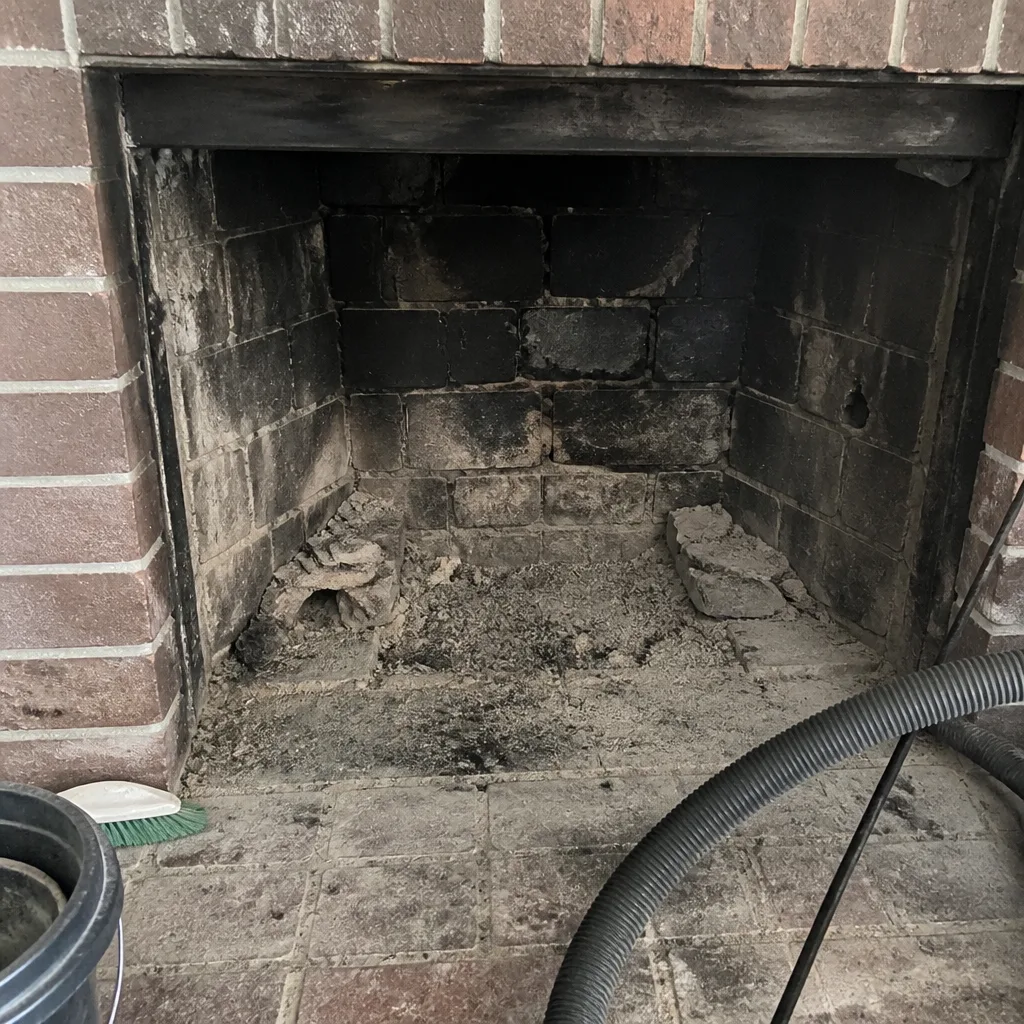 Before
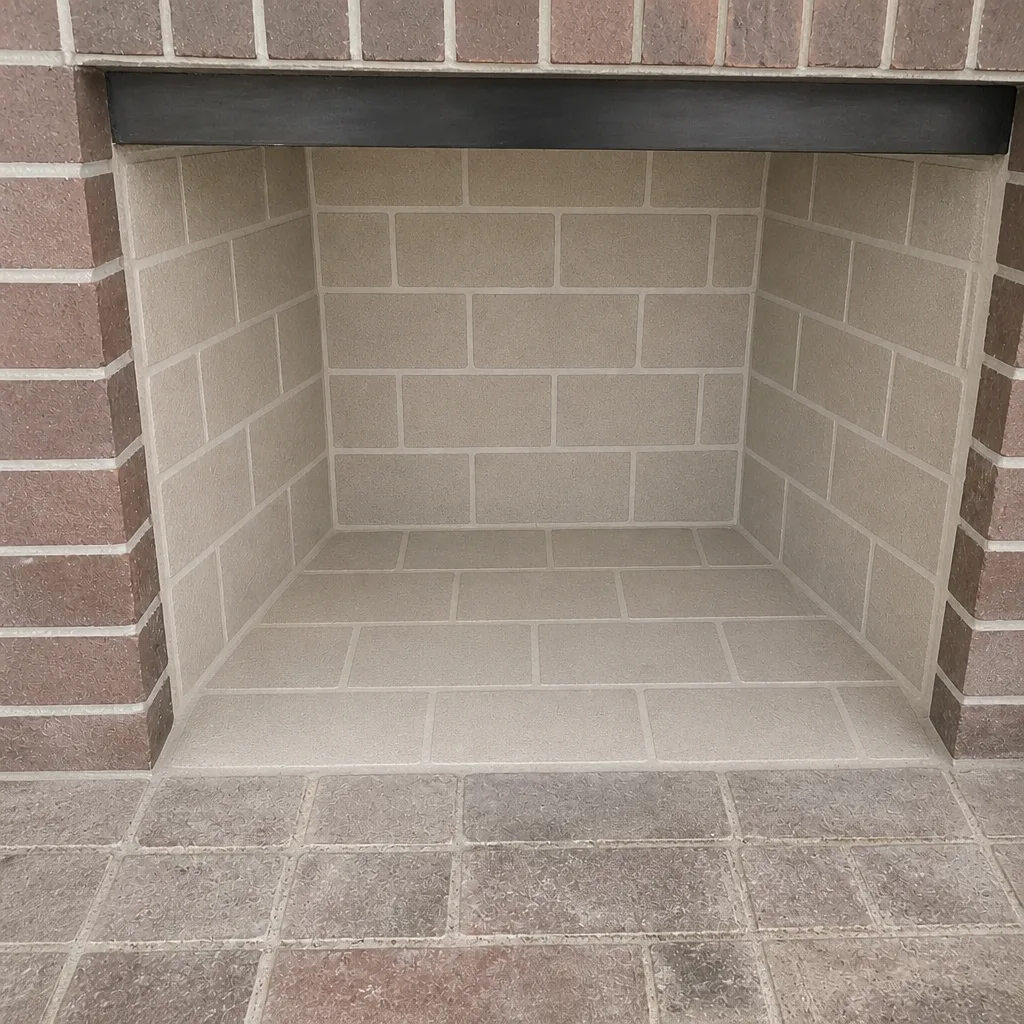 After
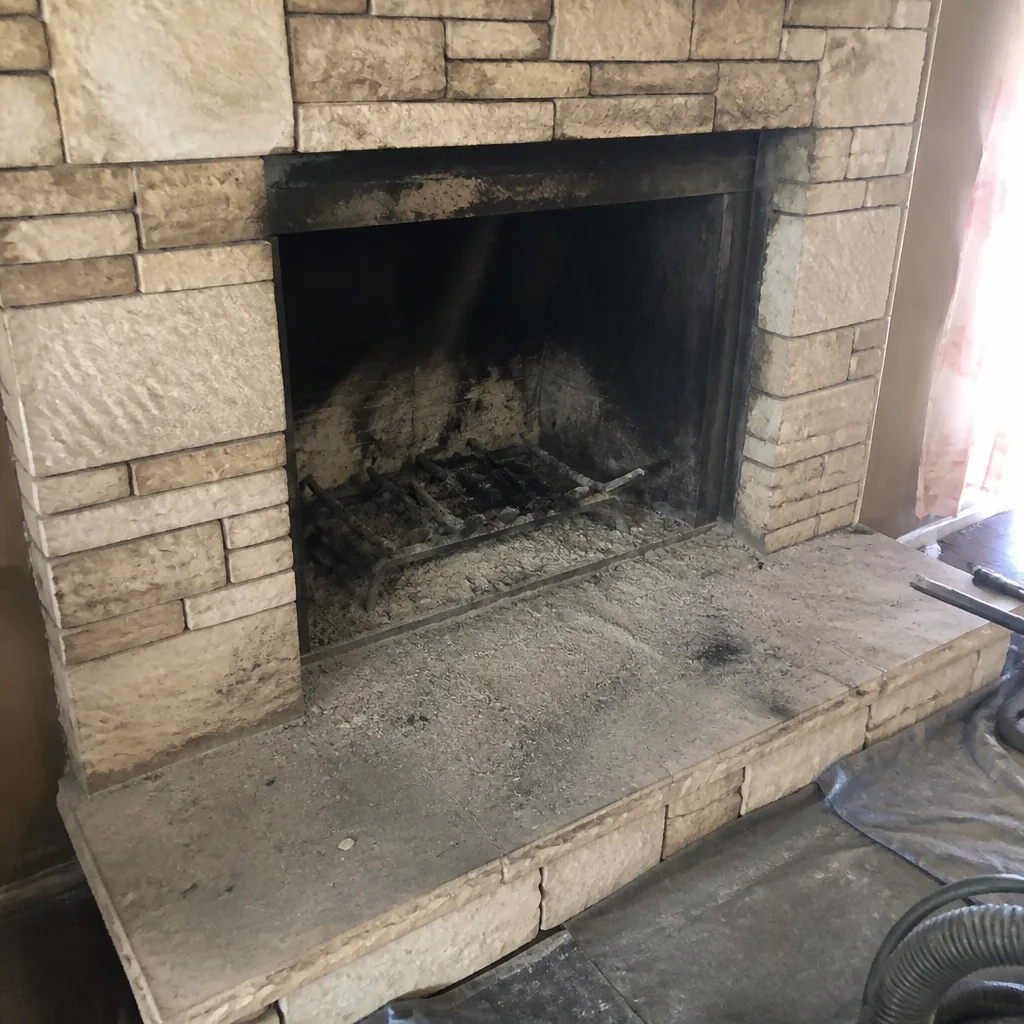 Before
 After
 Before
 After