
Last updated November 4, 2026
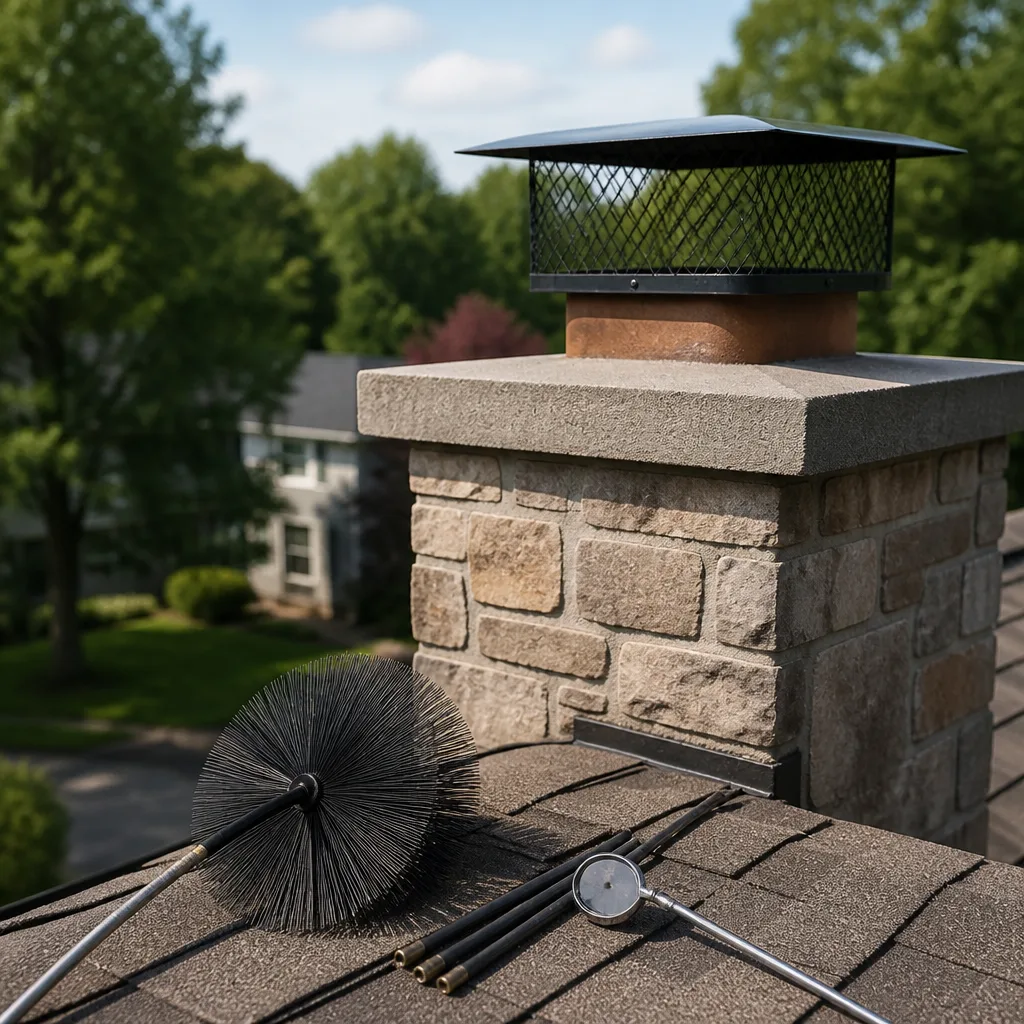 Sweep & inspection
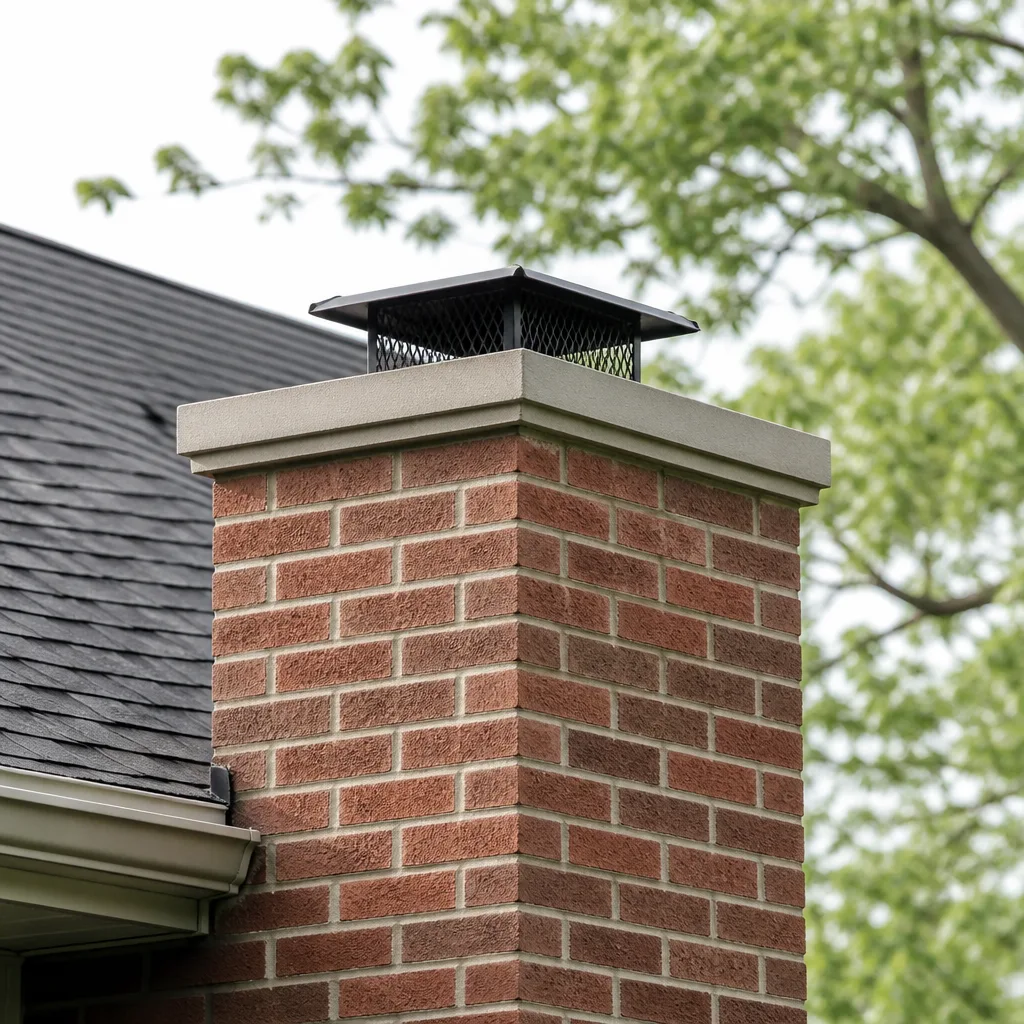 Caps & crowns
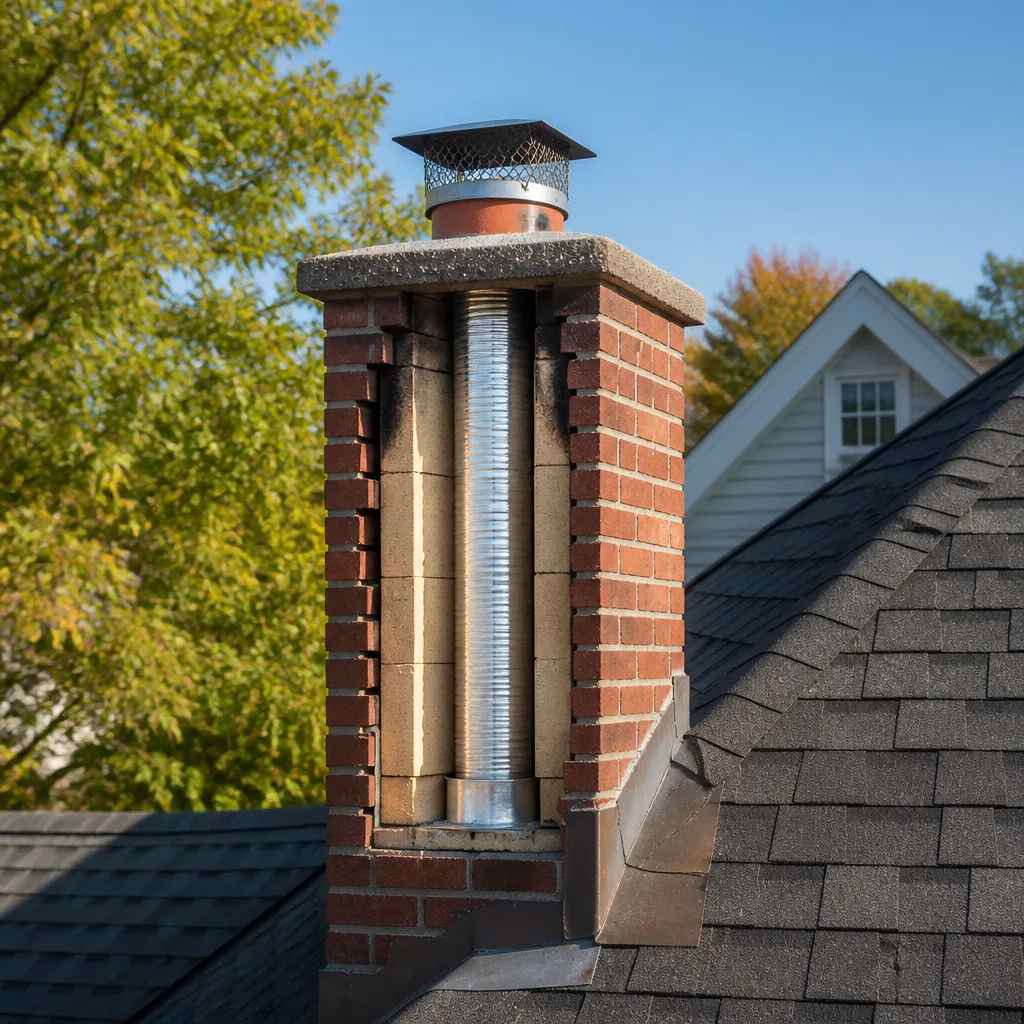 Flue relining
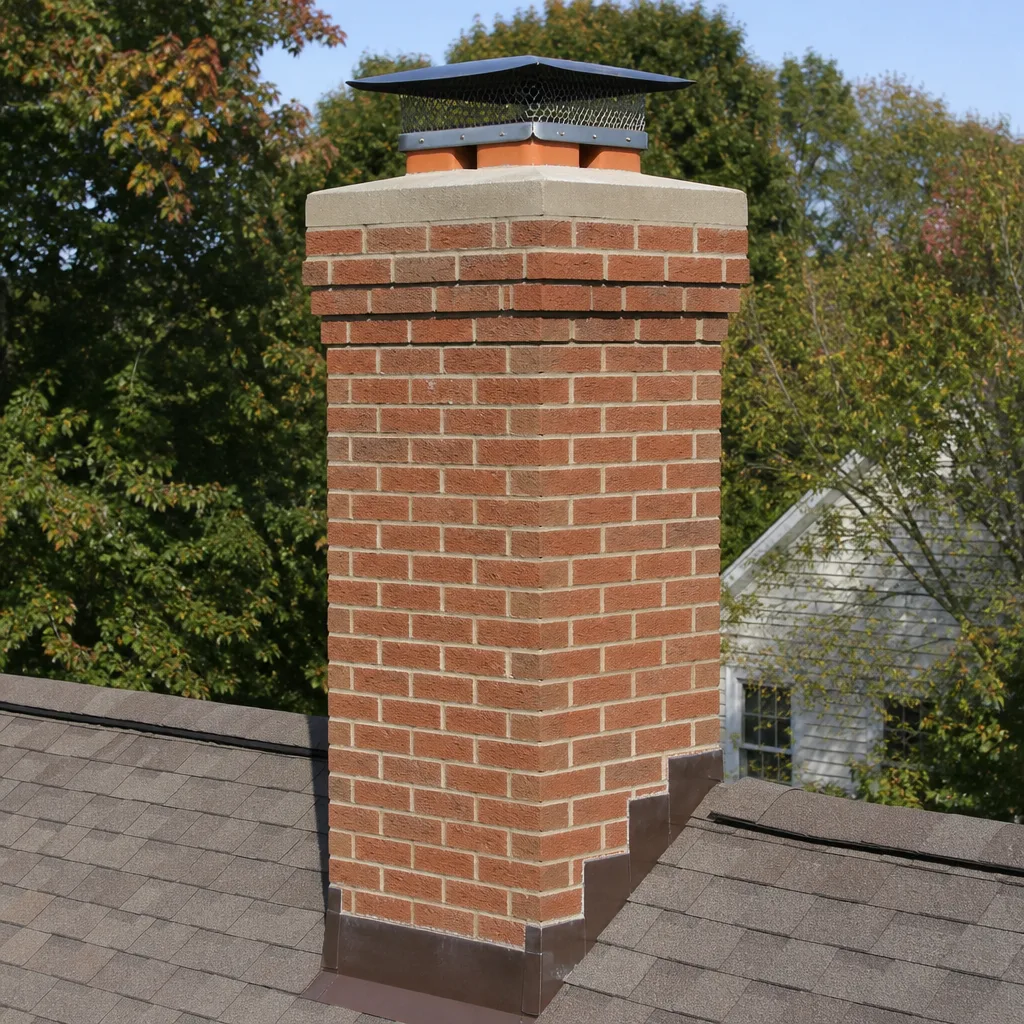 Masonry repair
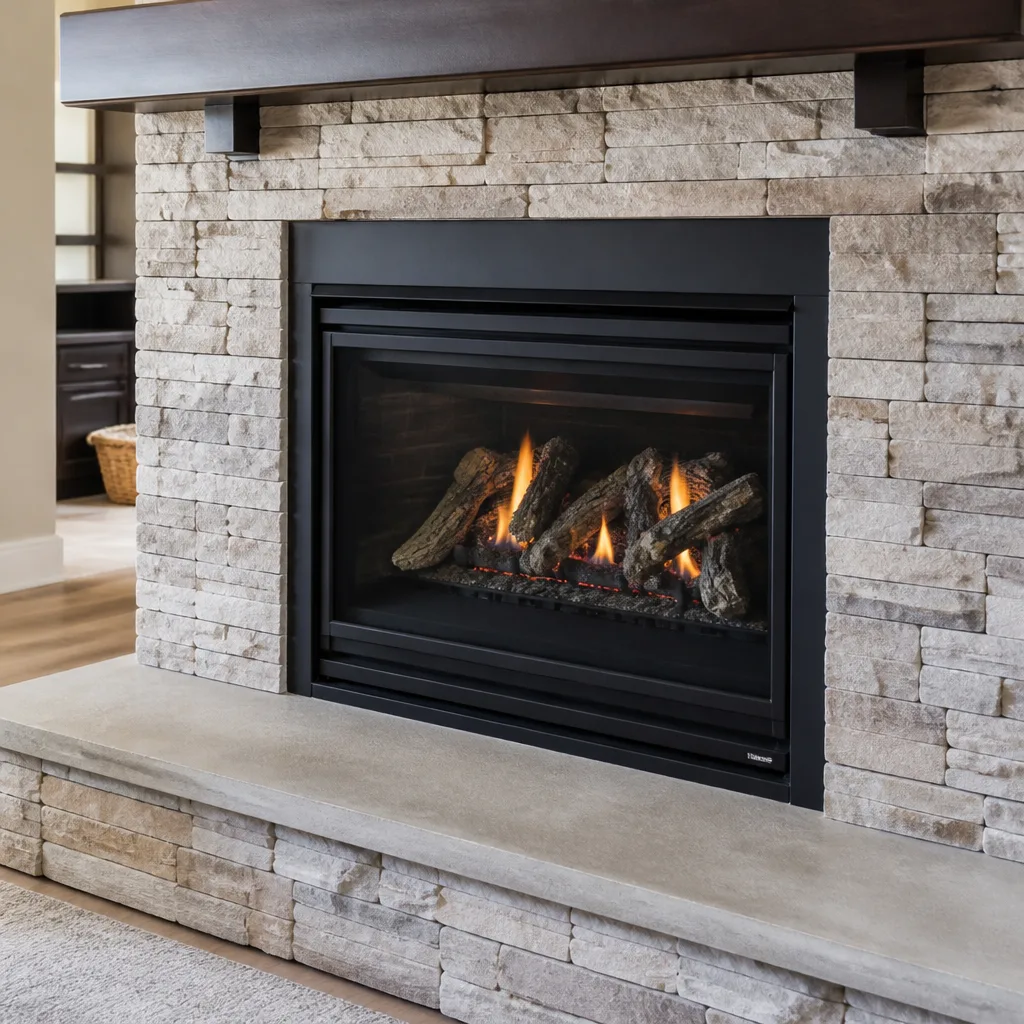 Gas fireplace service
Level 1 sweep and inspection to the NFPA 211 annual standard - flue, crown, cap, and flashing checked and photographed
Chimney sweep logs do not sweep chimneys. They loosen some creosote - which then falls where a brush and vacuum still have to collect it.
The Complete Guide to Chimney Cleaning in Bellflower
Most homeowners in Bellflower assume a chimney sweep is just a guy with a brush. The brush matters, but it’s the inspection that keeps your house standing. The National Fire Protection Association reports that a significant portion of home heating fires involve chimneys that had been swept within the previous year. What happened is simple: the loose soot came out, but the hardened creosote, the cracked flue liner, or the disconnected dryer duct stayed invisible. This guide explains what a thorough chimney cleaning in Bellflower actually involves, so you know exactly what you’re paying for and what questions to ask before anyone sets foot on your roof.
Quick Answer
Chimney cleaning in Bellflower typically costs between $180 and $340 for a standard Level 1 sweep and inspection of a wood-burning fireplace. The service should include removing creosote and soot from the flue, checking the liner, damper, firebox, and cap, and giving you a written condition report. A proper cleaning is a combustion system inspection first and a brushing second, and that distinction is what prevents chimney fires.
Styles & brands we work with
- Sweep & inspection
- Caps & crowns
- Flue relining
- Masonry repair
- Gas fireplace service
Table of Contents
- Why Bellflower’s Burn Season Creates a False Sense of Safety
- Level 1, Level 2, and Level 3 Inspections Explained
- What a Sweep Actually Examines Beyond the Flue
- How Bellflower’s Marine-Layer Humidity Changes Creosote
- The Documentation a Reputable Sweep Leaves Behind
- How a Professional Chimney Cleaning Works, Step by Step
- What Chimney Cleaning Costs in Bellflower
- What You Can Check Yourself (And What You Shouldn’t Touch)
Why Bellflower’s Burn Season Creates a False Sense of Safety
Bellflower sits in a mild climate. We don’t deal with freeze-thaw cycles, snow load, or the brutal cold that forces Midwestern homeowners to run their fireplaces for five straight months. That’s precisely the problem. When you only burn a fire twenty or thirty nights a year between November and February, creosote builds up slowly. Slow buildup is easy to ignore. But creosote doesn’t evaporate in the summer. It sits in your flue, hardening through spring and summer, waiting for the next fire.
Infrequent use also invites animal intrusion. Bellflower’s established neighborhoods, from the streets near Flora Vista Elementary down toward Somerset High, have mature trees. Squirrels and birds find open chimney flues to be ideal nesting spots. A chimney that sat unused from March to October often has a nest, a dead bird, or a heavy accumulation of debris by the time you light the first fire of the season. That first fire is the one that ignites it.
Gas fireplaces create the same false comfort. A gas log set produces less visible soot than wood, but it still produces combustion byproducts, and if the venting is compromised, it produces carbon monoxide. Bellflower homes with older gas fireplaces often have deteriorated flue tiles or blocked caps that the homeowner never notices because the flame looks fine.
The takeaway is simple: in Bellflower, annual chimney cleaning isn’t about heavy use. It’s about the fact that light use conceals problems that heavy use would reveal and destroy quickly. You want to find the problem before the fire does.
Level 1, Level 2, and Level 3 Inspections Explained
The chimney industry uses three inspection levels defined by the National Fire Protection Association. Knowing which one applies to your Bellflower home changes what you should expect to pay and what the sweep should actually do.
Level 1 is the inspection included with every standard chimney cleaning. The technician examines the readily accessible portions of the flue, the damper, the firebox, and the exterior cap. They look for creosote buildup, obvious blockages, and visible damage. For a home in Bellflower that has burned the same fireplace the same way for years with no issues, a Level 1 is usually sufficient. This is what our chimney sweep work starts with every single time.
Level 2 is required when conditions change: you’ve bought a home, you’re selling a home, the chimney has had a fire, severe weather came through, or you’re changing fuel types. A Level 2 inspection includes everything in Level 1 plus the attic, crawlspace, and accessible exterior areas, often using a chimney-specific camera to see inside the flue. In Bellflower’s real estate market, a Level 2 inspection is the smart play before you close on a house. Home inspectors do not climb into chimneys.
Level 3 involves removing parts of the chimney structure to access concealed areas. This is rare, and it’s only called for when a Level 1 or Level 2 inspection finds a serious problem that requires destructive access. We don’t recommend Level 3 unless there’s strong evidence of hidden damage. If a company claims you need Level 3 after a basic visual check, ask to see the camera footage first.
- Level 1: Annual or routine check, included with a standard sweep. No access tools.
- Level 2: Home sale, purchase, weather event, fuel change, or after a chimney fire. Includes camera inspection.
- Level 3: Structural concern requiring demolition of building components. Rare, expensive, and only after documented evidence.
What a Sweep Actually Examines Beyond the Flue
The flue gets the attention, but it’s only one part of the combustion system. A proper chimney cleaning in Bellflower examines five zones. If your sweep only looks at the inside of the pipe and hands you a bill, you didn’t get a cleaning, you got a brushing.
- Smoke chamber: The sloped area above the firebox that funnels smoke into the flue. Creosote collects here, and because the walls are corbelled brick, it’s harder to clean. A chimney cleaning that skips the smoke chamber leaves the most fire-prone creosote in place.
- Damper seating: The damper should open fully, stay open, and close with a proper seal. A damper that doesn’t seat correctly leaks conditioned air all summer and cold air all winter. Rust, warping, and creosote buildup all affect seating.
- Firebox mortar: The firebox walls and floor are brick and mortar. Cracked joints allow heat to reach combustible framing. Bellflower’s older homes, especially those built before 1980, often have deteriorating firebox mortar that has never been checked.
- Cap and crown: The chimney cap keeps animals, water, and debris out. A missing or damaged cap means rain enters the flue, and rain plus creosote equals corrosive acid inside the flue. The crown is the concrete slab on top; cracks allow water into the brick structure itself.
- Clearances: Combustible material too close to the firebox or chimney chase is a fire hazard. This is an inspection point most homeowners never see because they don’t know what the clearance should be.
When we clean a chimney in Bellflower, all five zones get examined on every job. The brush work is the preparation; the evaluation is the product.
How Bellflower’s Marine-Layer Humidity Changes Creosote
Bellflower sits inland enough that we avoid the salt air of the beach cities, but the marine layer still reaches us on many mornings. That humidity changes what creosote looks like and how it behaves in your flue.
Creosote has three stages. Stage 1 is dusty soot, which brushes away easily. Stage 2 is a sticky, tar-like glaze that clings to flue walls. Stage 3 is a hardened, shiny glaze that has baked onto the masonry and resists standard brushes. In a dry climate, creosote tends to stay powdery or flaky. In Bellflower, the moisture that seeps into the flue on humid mornings mixes with creosote and accelerates the formation of Stage 2, the sticky kind.
Sticky creosote requires different tools than dry soot. A stiff wire brush handles Stage 1 and most Stage 2. Rotary cleaning systems with chains or specialized whip heads cut through Stage 2 more effectively than a hand brush, and they’re often the difference between getting the flue clean and leaving a glaze that hardens into Stage 3 over the summer. Stage 3 generally requires chemical treatment followed by rebrushing, and sometimes it cannot be fully removed from a damaged liner.
When a Bellflower homeowner burns soft wood like pine from the local firewood vendors, the creosote forms faster and stickier. Hardwood burns cleaner. Mixing unseasoned wood into your stack is the single most common cause of accelerated Stage 2 buildup we see in this area.
The Documentation a Reputable Sweep Leaves Behind
A professional chimney cleaning produces paperwork. If your sweep leaves nothing but a receipt, you have no proof of maintenance for your insurance company, and you have no baseline for future inspections.
Every proper cleaning should end with a written condition report. This report documents what was found, what was cleaned, and what was recommended. It should note the flue size, the liner material, the creosote stage before and after cleaning, any cracking or spalling, the damper condition, the cap condition, and whether the smoke chamber was accessed. It should also include recommendations with an honest timeline: replace this cap now, re-point the crown next spring, keep an eye on the liner but it doesn’t need replacement this year.
For Bellflower homeowners, this report matters for two reasons. First, insurance. If a chimney fire occurs, your insurer will ask for maintenance records. A dated condition report from a professional chimney cleaning is evidence you did your job as a homeowner. Second, resale. When you sell a Bellflower home, a buyer’s inspector will flag the fireplace. Handing over three years of clean condition reports tells the buyer the fireplace was maintained, and it often prevents a last-minute negotiation over chimney repairs.
We photograph every issue we find. If we recommend a liner repair, you can see the cracked flue tile on camera before you agree to anything. No reputable sweep in Bellflower should ask you to approve a relining or rebuilding job without showing you the evidence.
How a Professional Chimney Cleaning Works, Step by Step
Here’s what a full chimney cleaning should look like when a trained technician arrives at your Bellflower home. This is the standard we hold our own work to, and it’s the standard you should expect from any legitimate Chimney Sweep Bellflower company.
- Interior preparation: The technician lays drop cloths around the fireplace and covers nearby furniture. A dust containment system or high-power vacuum is set up. Anyone who walks in with just a brush and a tarp hasn’t got the right equipment.
- Initial inspection: A visual examination of the firebox, damper, and accessible flue determines the job scope. The technician checks for animal activity, water staining, and obvious liner damage.
- Mechanical brushing: Using brushes sized to your flue, the technician sweeps from the roof or from inside the firebox depending on the chimney design. The goal is to dislodge Stage 1 and Stage 2 creosote from the flue walls.
- Smoke chamber and damper cleaning: Company-specific tools reach the smoke chamber, the shelf above the damper, and the damper frame. This is the step most discount sweeps skip, and it’s the step that matters most for fire safety.
- Vacuuming and de-sooting: The loose debris is removed from the firebox and smoke shelf. The entire firebox is wiped down, and the technician confirms no creosote falls into the room.
- Post-clean inspection: The flue is re-examined to verify all accessible creosote is gone and no hidden damage was exposed by cleaning.
- Written report: The technician hands you the condition report, explains what was found, and answers any questions. If repairs are recommended, you see the evidence and get an honest timeline.
A complete cleaning in a typical Bellflower home takes between 45 and 90 minutes. Faster is not a sign of quality; it’s usually a sign that steps were skipped.
What Chimney Cleaning Costs in Bellflower
Chimney cleaning prices in Bellflower follow the structure of the Los Angeles County market, and most homeowners pay between $180 and $340 for a standard wood-burning fireplace. Gas fireplace cleaning and inspection runs on the lower end of that range. Dryer vent cleaning is a separate service and typically costs between $90 and $150, though the dryer vent cleaning price depends on duct length and accessibility.
| Service | Typical Range in Bellflower |
|---|---|
| Standard wood fireplace sweep (Level 1) | $180 – $340 |
| Gas fireplace sweep and inspection | $150 – $250 |
| Level 2 camera inspection | $275 – $475 |
| Dryer vent cleaning (separate service) | $90 – $150 |
| Chimney cap replacement | $125 – $350 depending on material |
| Flue resurfacing (HeatShield) | Quoted per job after camera inspection |
| Full flue relining (DuraFlex) | Quoted per job after camera inspection |
These are estimates, not quotes. The final price depends on the flue condition, the height of the chimney, roof accessibility, and whether the last cleaning removed everything or left Stage 3 creosote that now requires extra work. Any company quoting a firm price over the phone without seeing the chimney is guessing. A Bellflower chimney should be priced after it’s been looked at.
If you’re told you need a new liner, a full rebuild, or extensive masonry work, ask for the camera footage. We use professional-grade products from brands like HeatShield for ceramic flue resurfacing and DuraFlex for full relining. These are restoration systems, not patch jobs, and they carry a different price point than a surface cleaning. The written estimate should always break out what’s urgent, what can wait, and what’s cosmetic.
What You Can Check Yourself (And What You Shouldn’t Touch)
There are a handful of homeowner-level checks you can do in Bellflower without special tools or safety risk. And there are several things you should never do yourself, not because we want the work, but because the injury risk is real.
What you can safely check:
- Look up from the firebox with a flashlight. Can you see daylight through the flue, or is something blocking it?
- Open and close the damper. Does it move smoothly and stay in position?
- Walk outside and look at the chimney cap. Is it missing, rusted through, or leaning?
- Look at the firebox mortar. Are there cracked joints you can fit a coin into?
- Check the outside of the chimney for white staining, which signals water intrusion.
What you should never do yourself:
- Do not climb onto the roof to brush the flue. Steep-roof falls are one of the most common homeowner injuries in the chimney trade. Bellflower’s single-story and two-story homes both have roof pitches that are dangerous without the right fall protection.
- Do not attempt to remove creosote with a fire. Burning a chimney “clean” is how chimney fires start. Creosote doesn’t burn away safely; it ignites as a chimney fire.
- Do not use chemical cleaners as a substitute for brushing. Creosote logs can loosen some deposits, but they don’t replace mechanical removal, and they can create a more hazardous intermediate condition.
- Do not ignore a damper that won’t close. It seems minor, but a stuck-open damper draws conditioned air out of your Bellflower house all year.
If any of those checks turn up something you don’t like, call us at (866) 632-0270. We answer 24/7. Fast dispatch from 7am to 7pm, Sunday through Friday.
How Often Should You Clean Your Chimney in Bellflower?
The NFPA standard says chimneys should be inspected at least once a year, and cleaned when creosote accumulation reaches 1/8 inch. For most Bellflower homes, that translates to an annual cleaning for wood-burning fireplaces and an annual inspection for gas units, with cleaning when needed. The number of fires doesn’t change the standard; the standard exists because light use still allows creosote to buildup slowly, and birds don’t consult your burning schedule before they nest in your flue.
Homes built before 1980 in Bellflower often have original clay tile liners. Clay liners crack, and cracked liners are a fire risk. If you have an older home and you’ve never had a camera inspection, the annual visit gives you a new visual baseline. If you burn unseasoned wood, or if you burn more than three cords a season, or if you notice smoke backing into the room, schedule a cleaning outside the annual rhythm.
Dryer vents should be cleaned every 12 to 18 months for a typical Bellflower household. If your dryer is in a central area of the house and the vent run is long, or if you dry large loads daily, closer to every 12 months. A slow dryer is the first sign the vent is restricted, and a restricted vent is a fire hazard.
Common Mistakes to Avoid
- Treating chimney cleaning as a checkbox. A sweep that doesn’t include an inspection is worthless. You’re paying for the condition report and the trained eye, not just the brush work.
- Assuming a gas fireplace doesn’t need service. Gas units still produce corrosive byproducts and can develop blockages. Bellflower homes with older gas logs often have ventilation issues no one checks until the carbon monoxide detector goes off.
- Burning unseasoned wood. Wet wood creates more creosote per fire than dry wood. If your wood supplier sold you a cord that hisses and smolders, you’re loading your flue with Stage 2 creosote every time you light it.
- Waiting until November to book. Every Bellflower chimney company gets slammed in late fall. Booking in September or October means you get the appointment you want before the first cold snap, and you avoid the rush that causes sloppy work.
- Approving major repairs without seeing the evidence. You wouldn’t approve engine work without seeing the diagnostic. The same standard applies to your flue. Ask for the camera footage before you spend thousands on a liner.
- Ignoring the dryer vent because it’s not a chimney. The dryer vent is the most common fire hazard in the laundry room, and most chimney-only companies won’t touch it. One specialist for both systems makes the annual maintenance easier to remember.
- Hiring a general handyman to sweep a chimney. A handyman with a brush can’t inspect a flue liner or draft properly. In Bellflower, the skill gap between a generalist and a chimney specialist is the gap between a clean-looking flue and a safe one.
See the difference
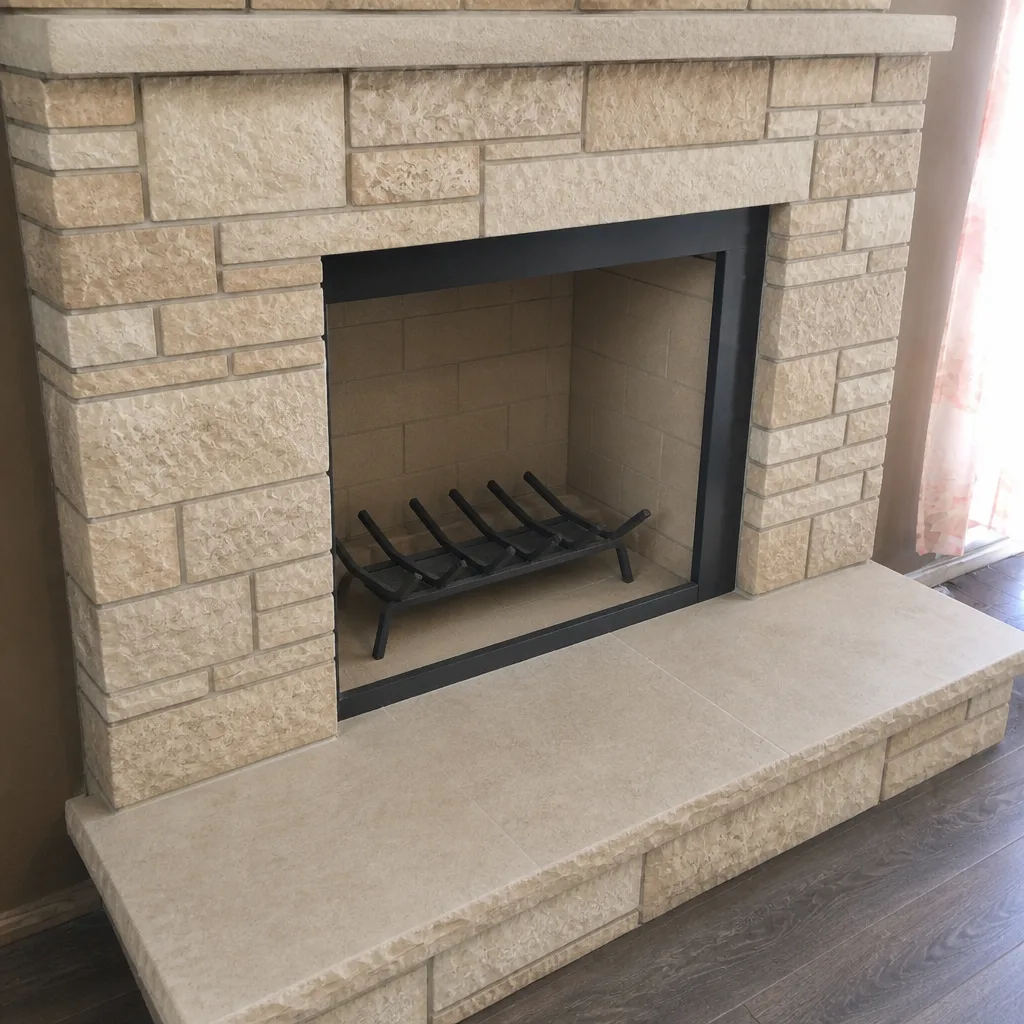
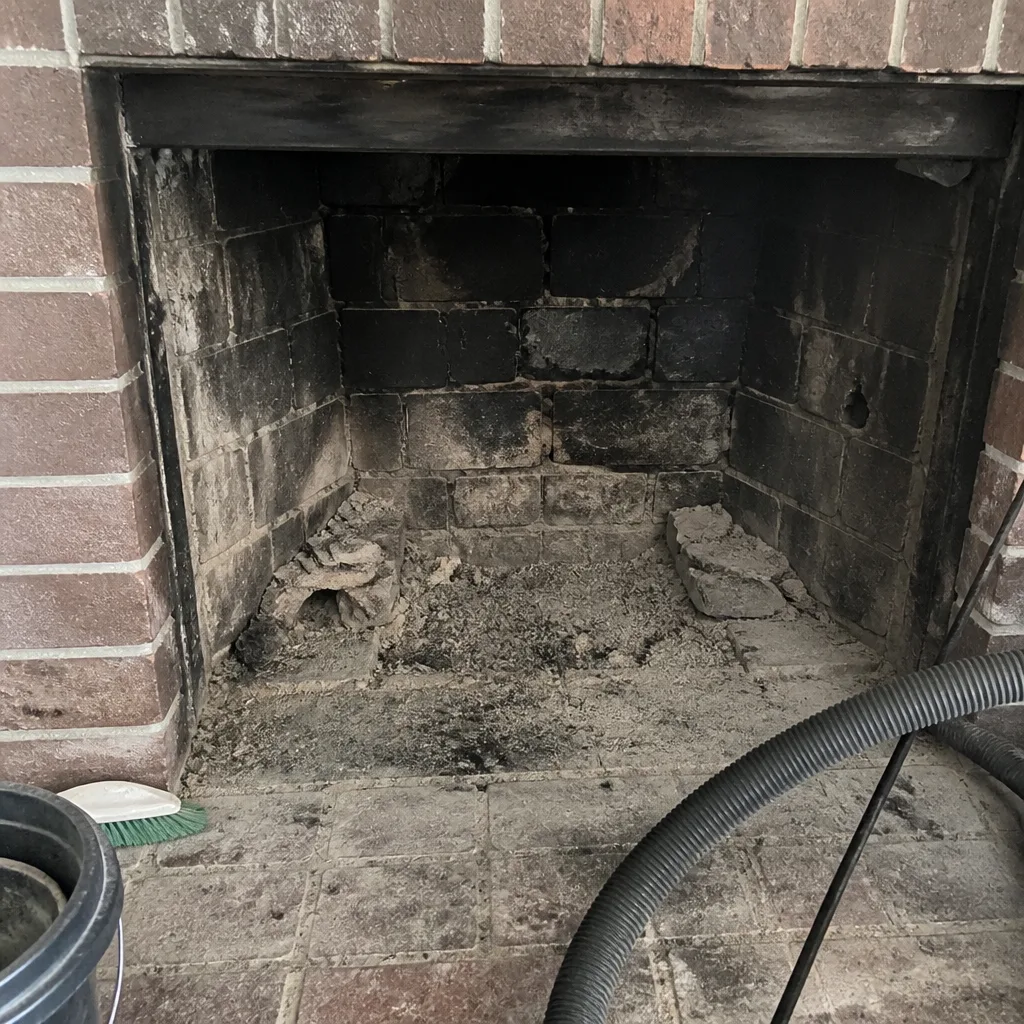 Before
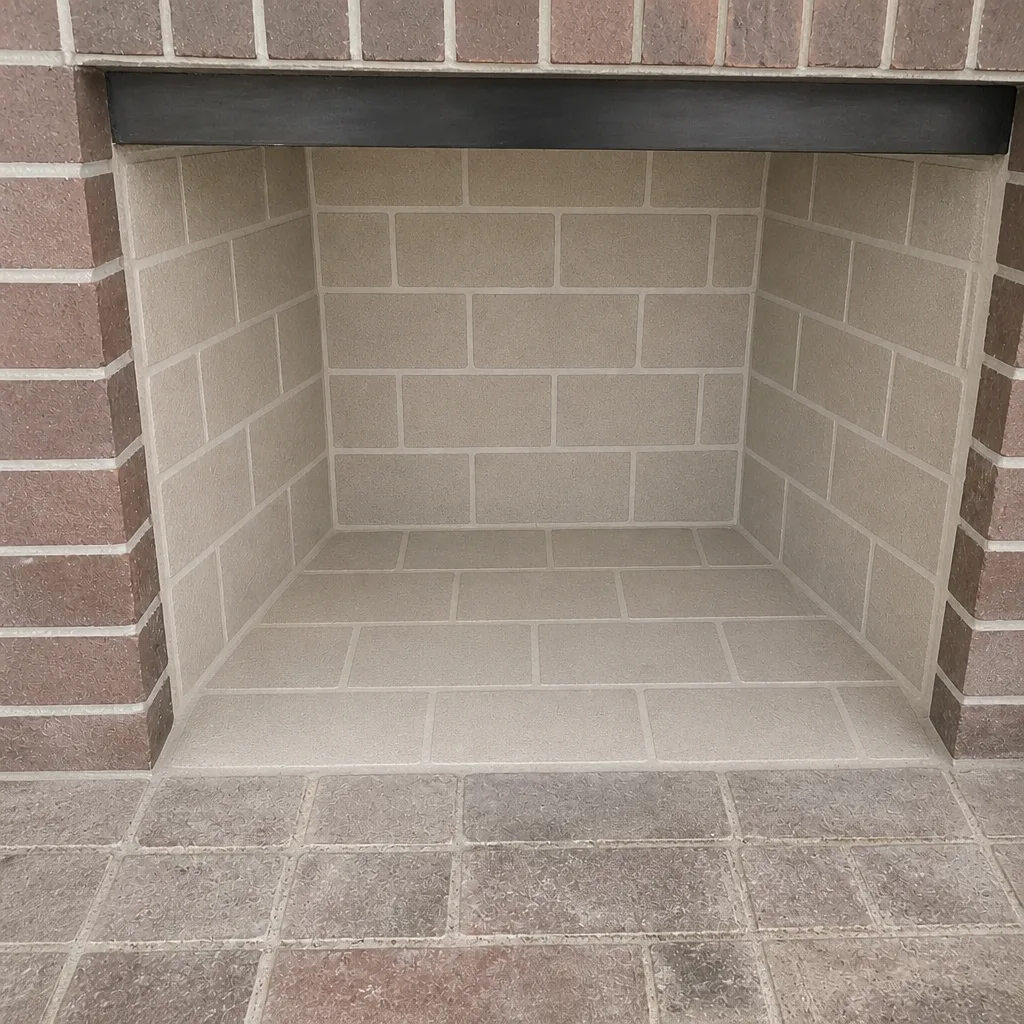 After
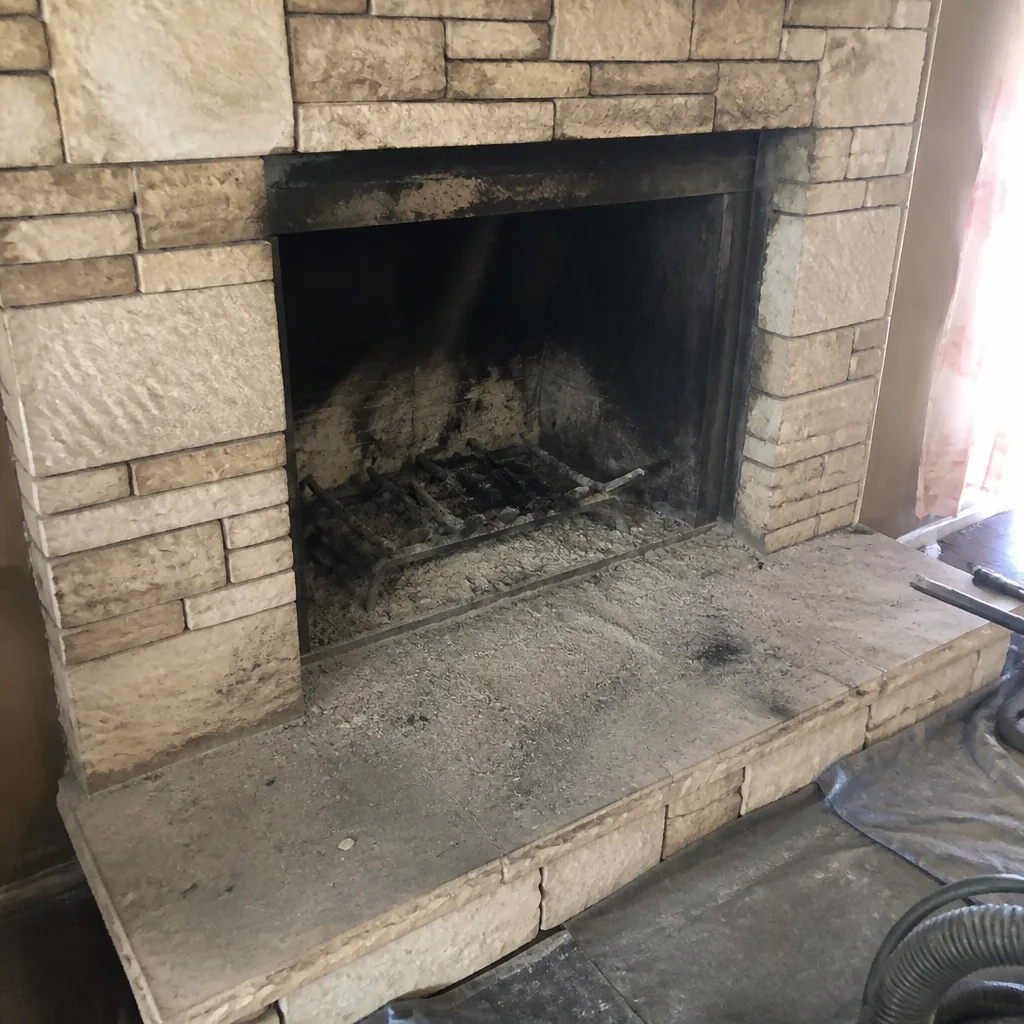 Before
 After
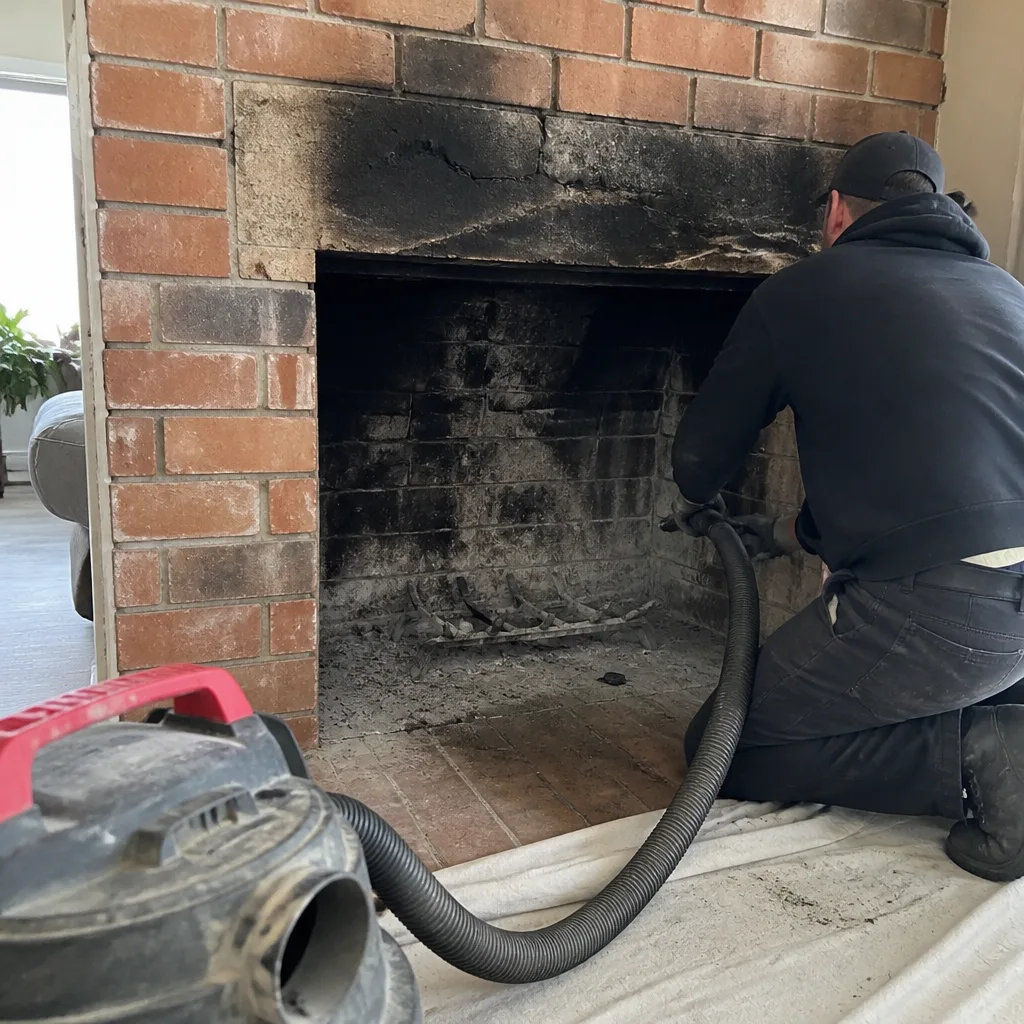 Before
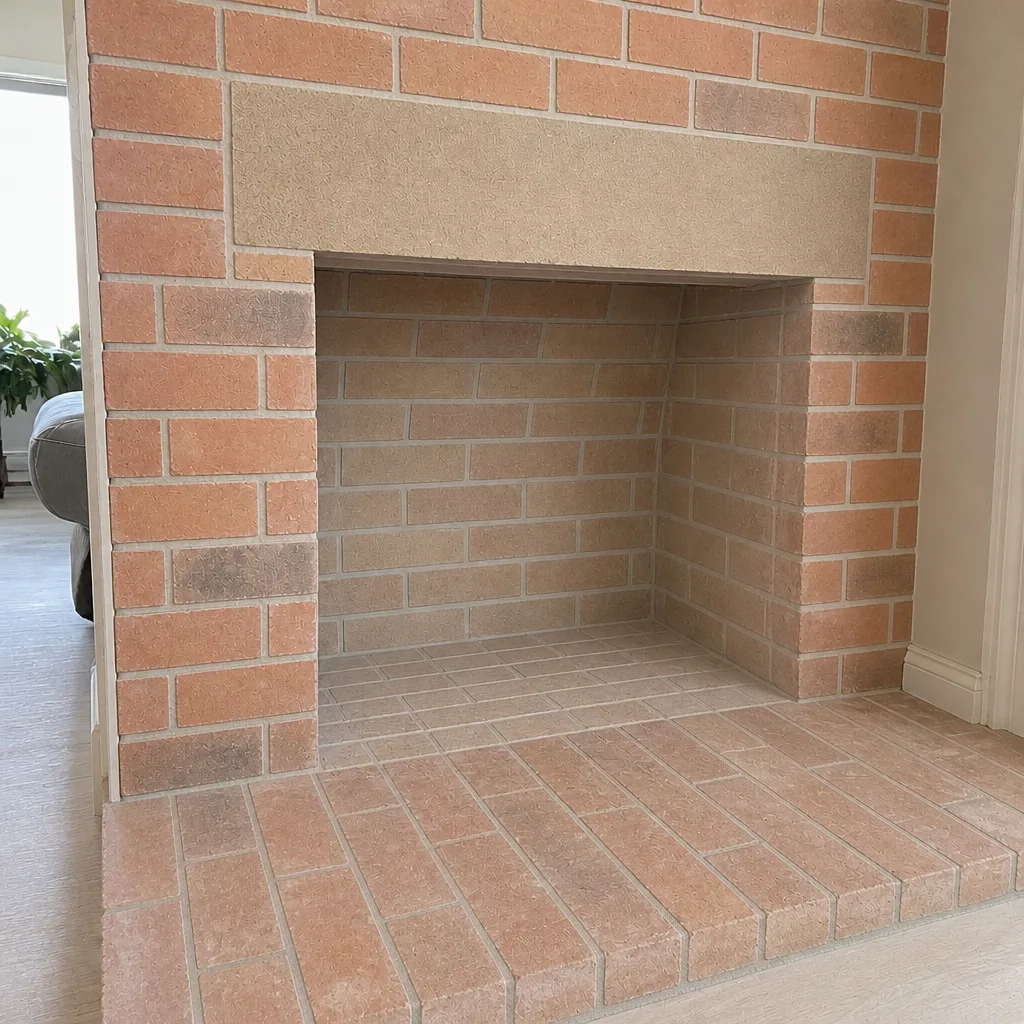 After
When to Call a Professional
Call a chimney professional the moment you notice smoke backing into the room, a persistent odor coming from the fireplace, visible soot staining above the firebox opening, or animals sounds coming from the flue. These are not nuisances; they’re symptoms of combustion failure. If your carbon monoxide detector has gone off near the fireplace or laundry area, shut off the appliance and call a specialist before using it again. If you’ve bought a home in Bellflower and have no maintenance history for the fireplace, a Level 2 camera inspection should be one of your first appointments.
Chimney Sweep Bellflower offers free estimates in Bellflower. Call (866) 632-0270. We answer 24/7. Fast dispatch from 7am to 7pm, Sunday through Friday.
Frequently Asked Questions
A standard chimney cleaning in Bellflower typically runs between $180 and $340 for a wood-burning fireplace, with gas fireplaces on the lower end of that range. The price depends on flue condition, roof access, and whether the last cleaning left hardened creosote behind. Call (866) 632-0270 for a free estimate on your specific chimney.
A sweep removes creosote and soot; an inspection evaluates the condition of the entire combustion system. Every professional chimney cleaning should include an inspection, but not every inspection requires a cleaning. In our experience, the inspection is where Bellflower homeowners discover the problems that actually matter.
Yes. Light use still produces creosote, and the months of disuse between burns allow animals to nest, debris to settle, and moisture to work into the flue. In Bellflower’s mild climate, chimneys are often dirtier from a summer of disuse than from a winter of light burning.
Often, yes. A flue restricted by creosote, a nesting animal, or debris can’t pull air properly, and the result is smoke backing into the room. Cleaning the flue and verifying the damper and cap are functioning correctly fixes most draft complaints in Bellflower homes without any additional work.
HeatShield is a ceramic resurfacing system used to repair cracked or deteriorated flue liners without a full rebuild. It’s a professional-grade restoration product that our technicians are trained to apply. It’s appropriate when a camera inspection shows liner damage that hasn’t compromised the structural integrity of the chimney, and it’s a middle-ground option between doing nothing and a full relining.
Most homeowners insurance policies do not cover routine chimney cleaning. However, if a chimney fire or sudden damage occurs, having dated maintenance records from a professional cleaning is essential for your claim. A written condition report from each annual cleaning is the documentation your insurer will ask for, and it’s something any reputable Bellflower chimney service should provide automatically.
The Bottom Line
Chimney cleaning in Bellflower is a safety inspection with brushing attached, not a brushing with a vague once-over. The annual visit is your chance to catch cracked liners, blocked caps, failing dampers, and animal intrusion before any of them become a fire or a carbon monoxide problem. A proper sweep documents what it finds, shows you evidence before recommending major repairs, and leaves your combustion system ready for another year of safe use. Whether you burn wood on winter nights or run a gas fireplace as a heat source, the maintenance standard doesn’t change, and in a mild climate, it’s the quiet buildup that gets you. Call (866) 632-0270 to book your chimney cleaning in Bellflower. We answer 24/7. Fast dispatch from 7am to 7pm, Sunday through Friday.
Written by the team at Chimney Sweep Bellflower, serving Bellflower since 2017.